Heat Pumps in Denver, CO
Compare no-obligation heat pumps quotes from independent contractors who work on Denver homes.
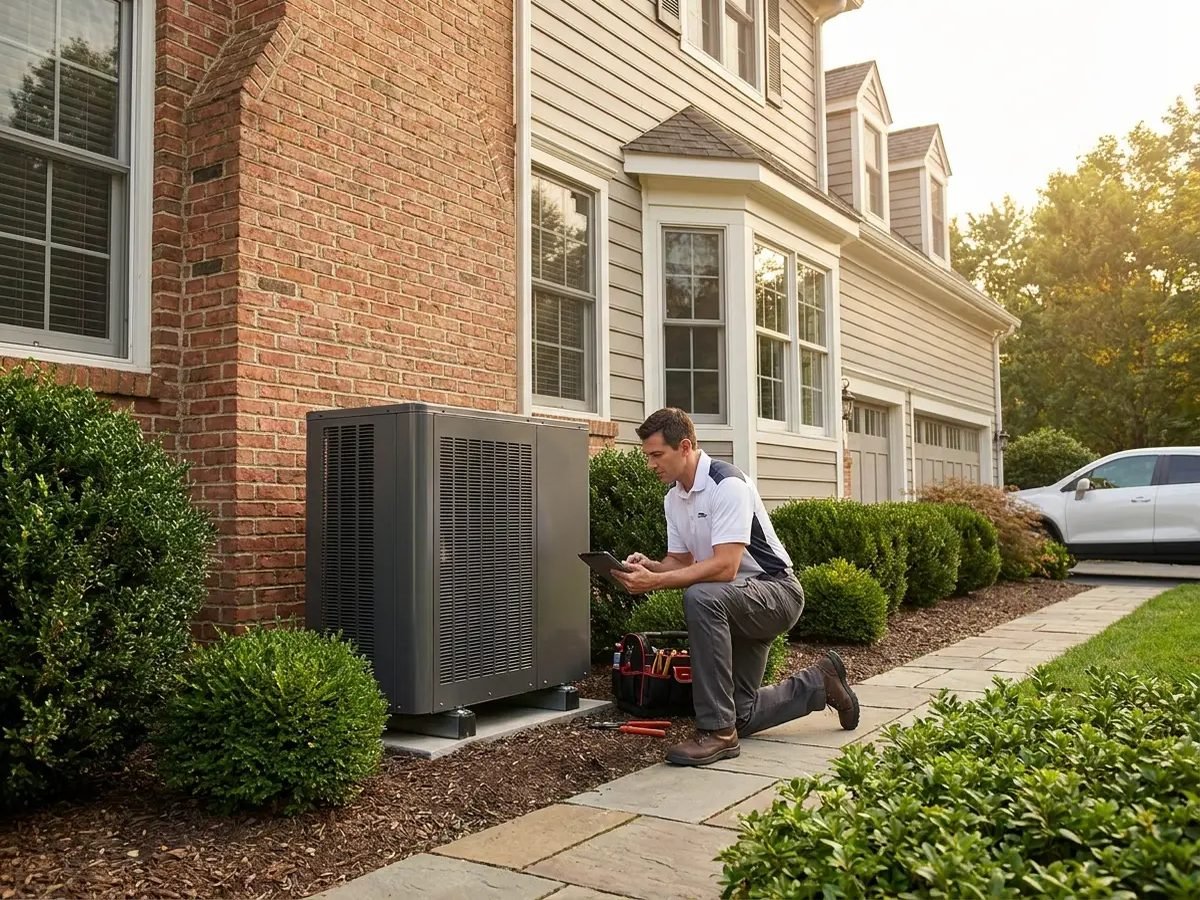
Denver homeowners face high-altitude UV, dramatic day-to-night temperature swings, heavy spring hail, and freeze-thaw cycles through winter — conditions that shape how a heat pump should be specified and installed. Cold-climate heat pumps now perform well at low temperatures, though many Front Range and mountain homes pair them with backup heat.
Heat Pumps in Denver: what to know
A heat pump both heats and cools a home by moving heat rather than burning fuel, making it an efficient all-in-one alternative to a separate furnace and air conditioner. Air-source systems are the most common, and cold-climate models now work well in most U.S. regions. Federal and utility incentives are often available. In Denver, CO, permits are typically handled through the City and County of Denver. Many Front Range suburbs add HOA architectural requirements.
What heat pump work involves
A heat pump project starts with sizing — a contractor calculates your home’s heating and cooling load based on square footage, insulation, windows, and climate, rather than simply matching the old equipment. Correct sizing is what keeps the system efficient and comfortable.
Installation involves setting the outdoor unit, connecting the indoor air handler or coil, running refrigerant lines and electrical, and integrating with ductwork or, for ductless systems, mounting wall or ceiling heads. Existing ductwork is inspected and sealed where needed.
The system is charged with refrigerant, tested, and balanced, and the thermostat is configured. Many installs qualify for federal tax credits and utility rebates, which a contractor can help you identify.
Heat pump options
Heat pumps come in a few configurations depending on your home and whether you have ductwork.
| Type | Notes |
|---|---|
| Ducted air-source | Uses existing ductwork; whole-home |
| Ductless mini-split | No ducts; zone-by-zone control |
| Cold-climate heat pump | Rated for efficient low-temperature heating |
| Dual-fuel (hybrid) | Pairs with a furnace for backup heat |
| Geothermal (ground-source) | Highest efficiency; higher upfront cost |
Estimates only — not a quote. These are national ranges compiled from public sources and industry data. They are not an offer of price and are not guaranteed. Your actual cost depends on your project, location, materials, permits and the contractor you choose. HomeMatchr does not set prices or perform work. See our full disclaimer.
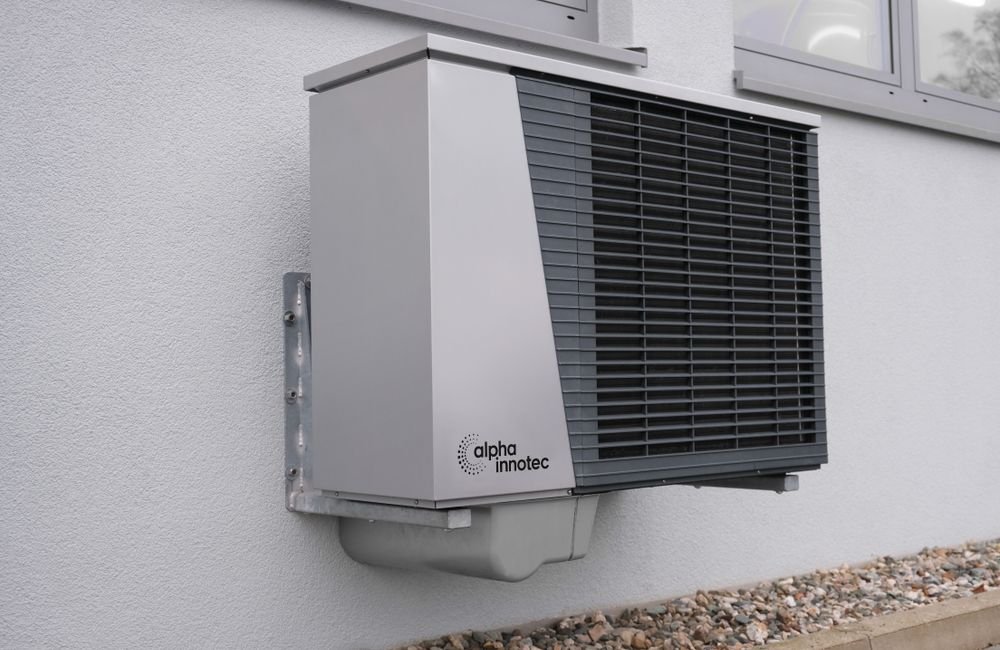
What drives heat pump costs in Denver
Heat pump cost depends on system type, size, and efficiency rating (SEER2 and HSPF2), plus any ductwork or electrical changes. Incentives can offset a meaningful share. Factors include:
- System size (tonnage) matched to your home’s calculated load.
- Ducted versus ductless, and the number of zones or indoor heads.
- Efficiency rating — higher-efficiency units cost more upfront but use less energy.
- Ductwork repairs, electrical upgrades, or a new thermostat.
- Local labor rates and permit requirements.
- Federal tax credits and utility rebates, which reduce the net cost.
Front Range demand surges after major hailstorms, and the shorter building season concentrates work into warmer months. Use the ranges below as a starting point, then compare itemized quotes for your specific project.
| Project | Typical range |
|---|---|
| Ductless mini-split (single zone) | $3,500–$8,000 |
| Multi-zone ductless (3–4 heads) | $8,000–$18,000 |
| Ducted air-source heat pump | $7,000–$16,000 |
| Geothermal system | $18,000–$45,000 |
Estimates only — not a quote. These are national ranges compiled from public sources and industry data. They are not an offer of price and are not guaranteed. Your actual cost depends on your project, location, materials, permits and the contractor you choose. HomeMatchr does not set prices or perform work. See our full disclaimer.
Ranges are general U.S. estimates and are not a quote for your Denver project.
The heat pump process, step by step
The process begins with an in-home evaluation and load calculation, followed by a written proposal that specifies the equipment, efficiency ratings, price, and any available incentives.
Installation typically takes one to three days depending on whether ductwork or electrical work is involved. The crew sets the equipment, makes the connections, and commissions the system.
After start-up, the contractor tests airflow and refrigerant charge, sets the thermostat, and walks you through operation and maintenance. Ask for equipment and labor warranties in writing, and confirm which rebates you can claim.
Weather and timing for heat pump in Denver
Denver sees high-altitude UV, dramatic day-to-night temperature swings, heavy spring hail, and freeze-thaw cycles through winter. Late summer through early fall typically follows hail season and precedes the first hard freezes.
Because conditions here are specific, it helps to work with contractors who install in Denver, CO regularly and can point to the materials and methods that hold up locally. Requesting several quotes lets you compare not just price, but how each contractor plans for Denver’s climate.
Compare Heat Pumps quotes in Denver
Answer a few questions and request no-obligation quotes from independent contractors.
Frequently asked questions
How does Denver’s climate affect a heat pump?
Cold-climate heat pumps now perform well at low temperatures, though many Front Range and mountain homes pair them with backup heat. Comparing quotes from contractors who work in Denver, CO every day is a dependable way to match the right approach to local conditions.
Do I need a permit for heat pumps in Denver?
Most projects of this type are permitted through the City and County of Denver, and the contractor you hire typically pulls it as part of the job. Many Front Range suburbs add HOA architectural requirements.
When is the best time of year for heat pumps in Denver?
Late summer through early fall typically follows hail season and precedes the first hard freezes. Requesting quotes a few weeks ahead helps you compare availability and lock in a schedule that works for you.
Do heat pumps work in cold weather?
Modern cold-climate heat pumps are designed to heat efficiently well below freezing. In very cold regions, some homeowners choose a dual-fuel setup that pairs the heat pump with a backup furnace for the coldest days.
Can a heat pump replace both my furnace and AC?
Yes — a heat pump both heats and cools, so it can replace a separate furnace and air conditioner. A contractor will size the system to your home and confirm whether backup heat is worth adding for your climate.
Are there incentives for installing a heat pump?
Often, yes. Federal tax credits and many utility rebate programs support efficient heat pumps. A contractor can point you to current programs, and eligibility depends on the equipment and your location.
Choosing a heat pump contractor in Denver, CO
The right heat pump contractor in Denver, CO is about more than price. Comparing several quotes helps you weigh scope, materials, and timeline — and you are never obligated to hire anyone.
- Request quotes from several heat pump contractors in Denver, CO so you can compare price and scope side by side.
- Confirm each contractor’s licensing and insurance yourself before you hire — HomeMatchr does not verify this for you.
- Ask for an itemized quote covering materials, labor, permits, cleanup, and warranty terms.
- Check that the quote reflects Denver’s local codes, permit requirements, and climate.
New to hiring a contractor? The FTC’s consumer guide on hiring a contractor is a helpful, unbiased place to start.
Heat Pumps in other locations
- Heat Pumps in Phoenix, AZ
- Heat Pumps in Houston, TX
- Heat Pumps in Dallas, TX
- Heat Pumps in Atlanta, GA
- Heat Pumps in Tampa, FL
- Heat Pumps in Columbus, OH
- Heat Pumps in Portland, OR
- Heat Pumps in Seattle, WA
- Heat Pumps in Minneapolis, MN
- Heat Pumps in Orlando, FL
- Heat Pumps in Sacramento, CA
- Heat Pumps in Boston, MA
- Heat Pumps in Washington, DC
- Heat Pumps in Oklahoma City, OK
- Heat Pumps in Austin, TX
- Heat Pumps in Tucson, AZ
- Heat Pumps in Arizona
- Heat Pumps in Texas
- Heat Pumps in Florida
- Heat Pumps in Georgia
- Heat Pumps in Colorado
- Heat Pumps in Ohio
- Heat Pumps in Oregon
- Heat Pumps in Washington State
- Heat Pumps in Minnesota
- Heat Pumps in California
- Heat Pumps in Massachusetts
- Heat Pumps in Oklahoma
Other home services in Denver
Planning more than one project? Compare other home services in Denver, CO:
For a statewide overview, see Heat Pumps in Colorado.
HomeMatchr is an advertising-supported referral service, not a contractor or installer. We connect you with independent contractors and may receive a referral fee. Always confirm a contractor’s licensing and insurance before you hire.
About tax credits, rebates and incentives. Program rules, amounts and deadlines change and depend on your own eligibility, income and installation year. Nothing here is tax, legal or financial advice, and no credit or rebate is guaranteed. Confirm current rules with a qualified tax professional or the official program before you rely on them.
