Vinyl Replacement Windows: Cost & Pros and Cons
Real cost ranges, pros and cons, and how vinyl compares to other frame materials.
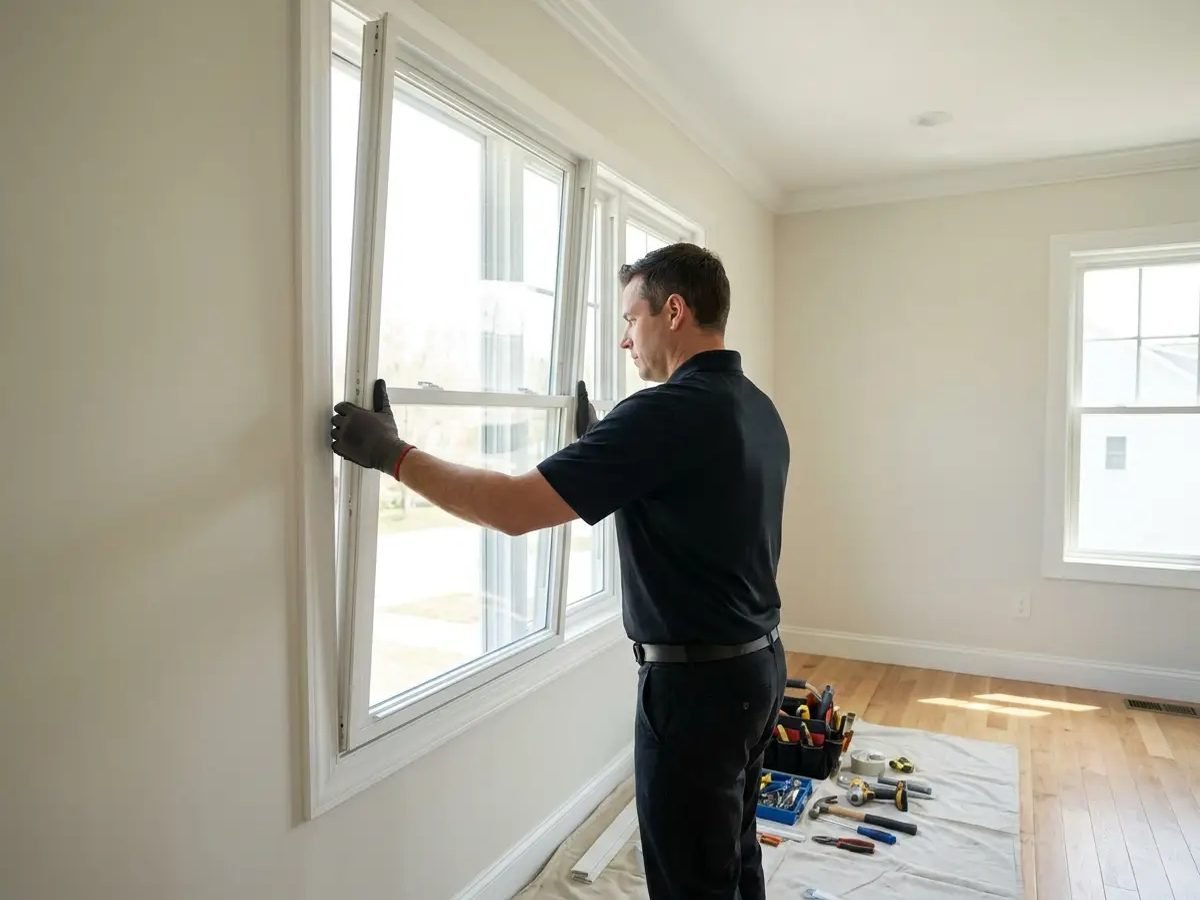
Vinyl is the most commonly installed replacement window material in the United States, and for good reason: it balances a reasonable price with solid energy performance and low upkeep. This guide covers what vinyl windows cost, their real pros and cons, and how they compare to fiberglass, wood, and aluminum alternatives.
What Are Vinyl Replacement Windows?
Vinyl windows are made from rigid PVC (polyvinyl chloride), often reinforced internally with aluminum or steel on larger units for added strength. The frame is typically hollow or filled with foam insulation, which helps reduce heat transfer through the frame itself, not just the glass. Vinyl frames are manufactured in a range of colors, though white and tan remain the most widely available, and most cannot be repainted the way wood can, so color selection matters at the time of purchase.
Vinyl Window Cost
Vinyl windows are generally the most budget-friendly frame option on the market. Installed pricing varies by style and glass package.
| Vinyl Window Style | Typical Cost Range (Installed) |
|---|---|
| Single-hung | $250 – $700 |
| Double-hung | $300 – $900 |
| Sliding | $350 – $950 |
| Casement | $400 – $1,100 |
| Bay or bow (vinyl frame) | $1,200 – $3,500 |
Estimates only — not a quote. These are national ranges compiled from public sources and industry data. They are not an offer of price and are not guaranteed. Your actual cost depends on your project, location, materials, permits and the contractor you choose. HomeMatchr does not set prices or perform work. See our full disclaimer.
A whole-house vinyl window replacement for a typical home with 12 to 16 windows generally runs $4,000 to $14,000, making it one of the more accessible ways to replace every window in a home in a single project.
Pros of Vinyl Windows
- Lower cost: Vinyl is typically the least expensive frame material, which makes whole-house replacement more attainable on a fixed budget.
- Low maintenance: Vinyl doesn’t need painting, staining, or sealing, and it resists rot, warping, and insect damage that can affect wood frames.
- Good energy performance: Multi-chambered vinyl frames, often filled with foam insulation, perform well against heat transfer, and many vinyl windows meet ENERGY STAR criteria when paired with the right glass package.
- Won’t need repainting: The color is built into the material rather than applied as a coating, so it doesn’t chip or fade the way paint can over time.
Cons of Vinyl Windows
- Limited color options: Once installed, vinyl frames generally can’t be repainted, so you’re committed to the color chosen at purchase.
- Expansion and contraction: Vinyl expands and contracts more than wood or fiberglass with temperature swings, which over many years can affect seals in extreme climates.
- Less structural rigidity on large units: For very large openings, vinyl frames may need internal reinforcement, and some manufacturers cap the maximum size available in vinyl.
- Perceived resale impact: In some higher-end or historic markets, buyers and appraisers may view wood or fiberglass as a more premium finish, though this varies significantly by region and price point of the home.
Vinyl vs. Fiberglass vs. Wood vs. Aluminum
| Material | Typical Cost (Installed) | Maintenance | Best For |
|---|---|---|---|
| Vinyl | $300 – $1,100 | Very low | Budget-conscious, whole-house projects |
| Aluminum | $400 – $1,100 | Low | Modern styling, coastal or mild climates |
| Fiberglass | $600 – $1,500 | Low | Durability, larger openings, extreme climates |
| Wood | $800 – $2,200 | Higher (periodic painting/sealing) | Historic homes, traditional aesthetics |
Estimates only — not a quote. These are national ranges compiled from public sources and industry data. They are not an offer of price and are not guaranteed. Your actual cost depends on your project, location, materials, permits and the contractor you choose. HomeMatchr does not set prices or perform work. See our full disclaimer.
Fiberglass is often considered the closest competitor to vinyl among mid-range buyers: it costs more upfront but resists expansion and contraction better, holds paint if you want to change the color later, and typically offers a longer service life. Aluminum sits in a similar price range to vinyl but conducts heat and cold more readily unless it includes a thermal break, so it’s more common in mild climates or commercial-style architecture. Wood remains the choice for homeowners prioritizing a traditional look or matching a historic home, but it requires ongoing maintenance that vinyl doesn’t.
Is Vinyl the Right Choice for Your Home?
Vinyl tends to make the most sense for homeowners who want to replace every window in the house without stretching the budget, who prefer minimal upkeep over time, and whose home’s architectural style doesn’t require a specific wood or metal finish. It’s less ideal for very large custom openings, homes where color flexibility matters long-term, or historic properties where preservation guidelines may call for wood. A contractor experienced with vinyl installation can walk through samples, glass packages, and reinforcement options for larger openings before you commit to a full project.
Getting Quotes for Vinyl Windows
Because vinyl window quality and pricing vary by manufacturer, frame construction, and glass package, it’s worth requesting quotes from a few independent contractors rather than assuming all vinyl windows are interchangeable. Compare warranty terms from the manufacturer, ask about the number of internal chambers in the frame (more chambers generally means better insulation), and confirm which glass package is included in the base price versus offered as an upgrade.
Frequently asked questions
How much do vinyl replacement windows cost?
Vinyl windows typically cost $300 to $1,100 installed per window depending on style, with a whole-house project for a typical 12 to 16 window home running roughly $4,000 to $14,000.
Are vinyl windows energy efficient?
Yes. Multi-chambered vinyl frames, often filled with foam insulation, perform well against heat transfer, and many vinyl windows meet ENERGY STAR criteria when paired with an appropriate glass package.
Can vinyl windows be painted?
Generally no. Vinyl color is built into the material rather than applied as a surface coating, so once installed the frame typically can’t be repainted the way wood can.
How do vinyl windows compare to fiberglass?
Vinyl usually costs less upfront, while fiberglass costs more but resists expansion and contraction better, can be repainted, and often has a longer service life. Both are low-maintenance compared to wood.
How long do vinyl replacement windows last?
Quality vinyl windows commonly last 20 to 30 years or more with minimal maintenance, though lifespan depends on manufacturer quality, climate, and installation quality.
Compare Replacement Windows quotes
Enter your ZIP code to request no-obligation quotes from independent contractors.
HomeMatchr is an advertising-supported service and may receive a referral fee when you connect with a service provider.
