Replacement Windows: Cost Guide & How to Hire
Compare no-obligation quotes from independent window replacement contractors.
Request Replacement Windows quotes
Answer a few quick questions and compare quotes from independent contractors.
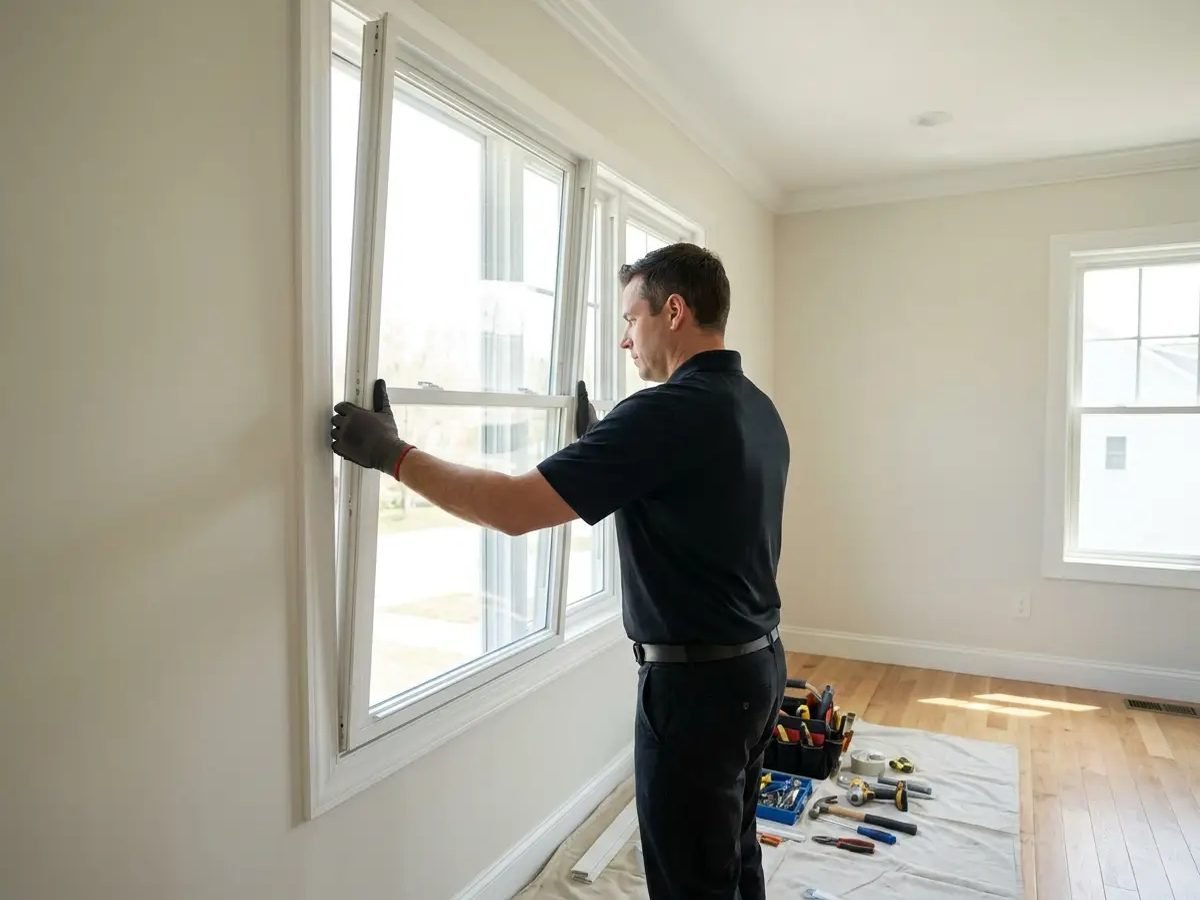
Replacement windows are new window units installed into an existing home in place of older, drafty, or damaged ones. Unlike new-construction windows, which require opening up the surrounding wall down to the framing, most replacement windows are built to fit into the existing frame opening, which generally keeps labor time and disruption to a minimum. Homeowners typically look into window replacement because of noticeable drafts, condensation or fogging between the panes, sashes that stick or won’t stay open, rotting or swollen wood frames, climbing energy bills, or simply a desire to update the look of a home from the outside in.
What Window Replacement Involves
A typical window replacement project starts with careful measurement of each existing opening, since even small variations in width or height can affect how well a new unit seals. On installation day, a crew removes the old sash and, depending on the method chosen, either the entire frame or just the interior components. The new window is set into the opening, shimmed level and plumb, insulated around the edges, and sealed with exterior caulking to keep out moisture and air. Trim is then reinstalled or replaced, and the crew typically cleans up glass, packaging, and old materials before leaving. A single-window swap can often be completed in under two hours, while a whole-house project with 15 to 20 windows commonly takes one to three days depending on crew size and window type.
How Much Do Replacement Windows Cost?
Pricing depends on window size, frame material, glass package, installation method, and regional labor rates. The table below shows typical U.S. cost ranges, including materials and installation, for a single standard-size window.
| Window Type | Typical Cost Range (Installed, Per Window) |
|---|---|
| Vinyl double-hung | $300 – $900 |
| Vinyl casement | $400 – $1,100 |
| Vinyl sliding | $350 – $950 |
| Aluminum | $400 – $1,100 |
| Fiberglass | $600 – $1,500 |
| Wood | $800 – $2,200 |
| Wood-clad (wood interior, aluminum or vinyl exterior) | $900 – $2,500 |
| Bay or bow window | $1,500 – $5,000 |
| Egress (basement) window | $2,000 – $5,500 |
Estimates only — not a quote. These are national ranges compiled from public sources and industry data. They are not an offer of price and are not guaranteed. Your actual cost depends on your project, location, materials, permits and the contractor you choose. HomeMatchr does not set prices or perform work. See our full disclaimer.
For a whole-house project, homeowners replacing 10 to 20 windows typically spend somewhere between $4,000 and $18,000 total, though larger homes, custom shapes, or premium materials can push the total well above that range. Because pricing depends so heavily on the specifics of a project, requesting quotes from more than one independent contractor is generally the most reliable way to understand what your particular home will cost, since labor rates, permit fees, and disposal charges vary significantly from one area to another.
Types of Replacement Windows by Style
Beyond frame material, replacement windows also come in a range of operating styles, each suited to different rooms and needs.
- Double-hung: Two sashes that both slide vertically and tilt in for cleaning; a common, moderately priced option that fits most architectural styles.
- Single-hung: Only the bottom sash moves while the top stays fixed; typically the least expensive operable style.
- Casement: Hinged on one side and opened outward with a crank; tends to seal tightly, which can help with drafts.
- Sliding: Sashes glide horizontally along a track; a practical choice for wide openings.
- Awning: Hinged at the top and opened outward from the bottom; often used above sinks or in basements.
- Bay and bow: Multiple angled or curved panels that project outward, adding interior floor space and natural light.
- Picture: A large, fixed pane of glass built for views and daylight rather than ventilation.
What Drives the Cost of Window Replacement
Two homes with the same number of windows can end up with very different bills depending on a handful of factors that contractors weigh when pricing a job.
- Frame material: Vinyl and aluminum generally cost less than wood, fiberglass, or wood-clad frames.
- Glass package: Double- or triple-pane glass, low-E coatings, and inert gas fills add to the price but improve energy performance and noise reduction.
- Window size and shape: Custom shapes and multi-panel units such as bay or bow windows require more materials and labor than a standard rectangular unit.
- Installation method: A full-frame replacement, which removes the window down to the rough opening, costs more than a pocket or insert replacement that fits into the existing frame.
- Number of windows: Per-window pricing usually drops when a contractor is replacing many units in a single visit.
- Removal and disposal: Hauling away old windows, especially older units that may contain lead paint, can add disposal fees.
- Permits: Many municipalities require a permit for window replacement, particularly for egress windows or changes to a structural opening.
Repair vs. Replace: When Windows Are Worth Saving
Not every window problem calls for full replacement. A single cracked pane, a broken balance spring, or worn weatherstripping can often be repaired for a fraction of the cost of a new unit. Replacement generally makes more sense when a frame has rotted or warped beyond repair, when the seal between double-pane glass has failed and fogging keeps returning, or when a homeowner is prioritizing energy efficiency across the whole house. A contractor can typically assess an individual window in a few minutes and tell you whether repair or replacement makes more financial sense for that specific unit.
How to Choose and Hire a Window Contractor
Before signing a contract, ask each contractor for a detailed written estimate that itemizes the window brand and model, glass package, frame material, labor, permit costs, and cleanup, rather than a single lump-sum number. Always confirm that a contractor is licensed and insured in your state before you hire, and ask for references from recent, similarly sized projects. Compare the manufacturer’s product warranty against any separate workmanship warranty the contractor personally stands behind, since these are two different things and both matter. Ask how the crew plans to protect flooring and landscaping during removal, how long the job is expected to take, and what happens if they find rot or structural damage once the old windows come out. Get every detail in writing, including the payment schedule, start and completion dates, and how change orders are handled, and avoid contractors who pressure you to sign on the spot.
How HomeMatchr Works
HomeMatchr helps homeowners request quotes from independent window replacement contractors without spending hours searching and calling around individually. Answer a few questions about your project, including window count, style, material preference, and timeline, and request no-obligation quotes from independent contractors who take on projects in your area. From there, you can compare pricing, materials, and project details side by side and decide which contractor, if any, to move forward with. HomeMatchr is an advertising-supported service and may receive a referral fee when you connect with a provider.
Frequently asked questions
How much does it cost to replace a window?
A single standard-size replacement window typically costs between $300 and $1,500 installed, depending on frame material and glass package. Premium materials like wood or wood-clad frames, or specialty shapes like bay windows, can run $1,500 to $5,000 or more per unit.
How much does it cost to replace all the windows in a house?
For a whole-house project with 10 to 20 windows, most homeowners spend roughly $4,000 to $18,000 total. The final number depends on frame material, glass upgrades, window count, and installation method, so requesting quotes from independent contractors is the most accurate way to budget.
What is the difference between full-frame and insert window replacement?
Insert (or pocket) replacement fits a new window into the existing frame and is generally faster and less expensive. Full-frame replacement removes the window down to the rough opening, which costs more but allows a contractor to address rot, check for proper flashing, and correct issues that an insert installation would cover up.
How long do replacement windows take to install?
A single window can often be installed in under two hours. A whole-house project with 15 to 20 windows commonly takes one to three days, depending on crew size, window style, and whether full-frame replacement is involved.
Do I need a permit to replace windows?
Many municipalities require a permit for window replacement, especially for egress windows in bedrooms or basements, or when the size or structural opening of a window is changing. A contractor familiar with your local building department can confirm what’s required before work starts.
Also compare pros for





Compare Replacement Windows quotes
Enter your ZIP code to request no-obligation quotes from independent contractors.
HomeMatchr is an advertising-supported service and may receive a referral fee when you connect with a service provider.
