Heat Pump vs. Furnace: Which Is Right for You?
Compare cost, efficiency, and climate suitability between heat pumps and furnaces.
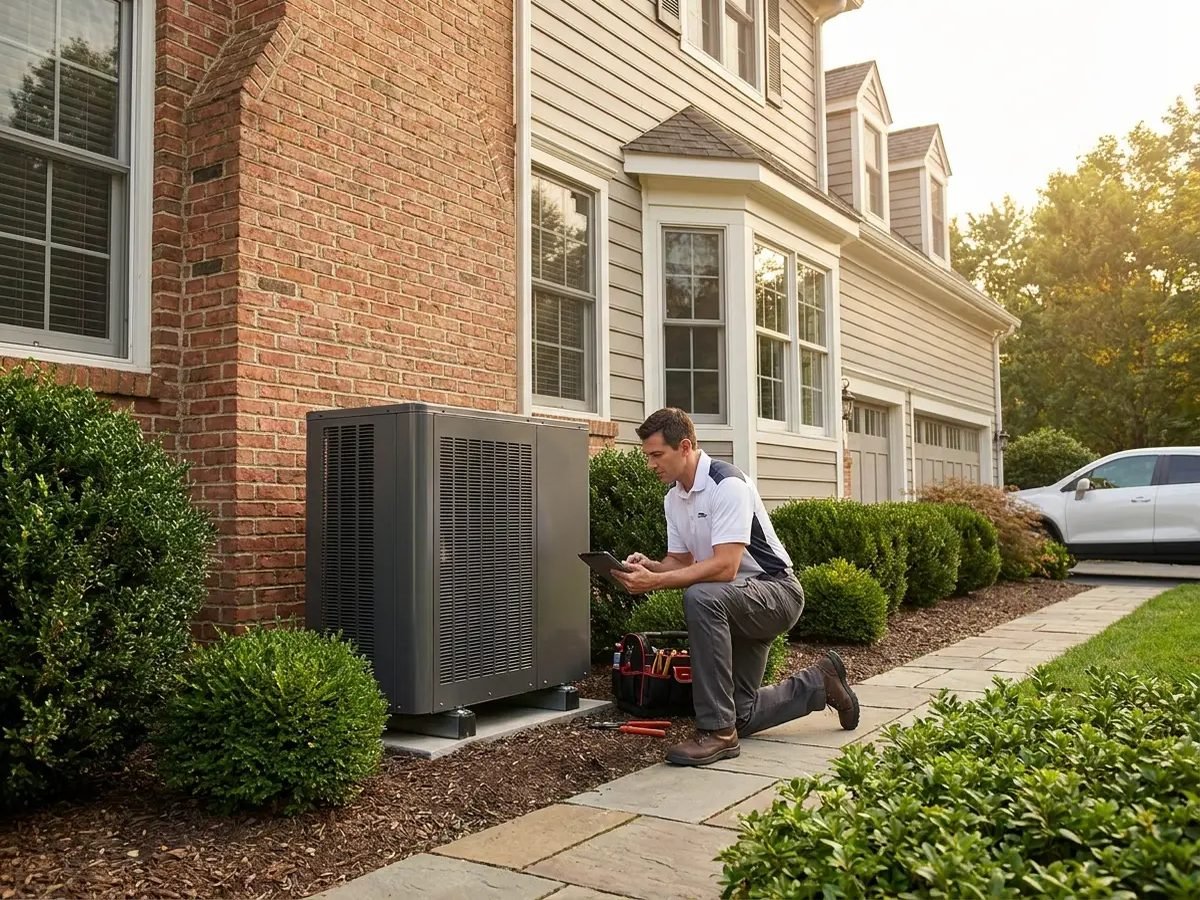
Choosing between a heat pump and a furnace usually comes down to upfront cost, local climate, and the price of electricity versus natural gas or propane where you live. This page compares the two options across cost, efficiency, climate suitability, and long-term operating expenses to help frame the decision before you talk with a contractor.
Upfront Cost Comparison
| System | Installed Cost Range |
|---|---|
| Gas furnace (standard efficiency) | $3,800 – $7,500 |
| Gas furnace (high efficiency) | $5,500 – $10,000 |
| Air-source heat pump (ducted) | $4,500 – $14,000 |
| Air-source heat pump (cold-climate) | $7,000 – $18,000 |
Estimates only — not a quote. These are national ranges compiled from public sources and industry data. They are not an offer of price and are not guaranteed. Your actual cost depends on your project, location, materials, permits and the contractor you choose. HomeMatchr does not set prices or perform work. See our full disclaimer.
A furnace alone only heats a home, so most furnace installations are paired with a separate central air conditioner, which adds to the total project cost when comparing against a heat pump that provides both functions in one system.
Efficiency Comparison
A heat pump can move more heat energy than the electrical energy it consumes, often delivering the equivalent of 200% to 400% efficiency depending on outdoor temperature. A high-efficiency gas furnace, by contrast, is rated by AFUE (annual fuel utilization efficiency) and typically converts 90% to 98% of its fuel into heat, which is efficient for a combustion appliance but still capped below 100% because some energy is lost as exhaust. Whether a heat pump or furnace costs less to run depends on comparing your local electricity rate against your local natural gas or propane rate, not efficiency ratings alone.
Climate Suitability
- Mild to moderate climates: a heat pump alone typically handles both heating and cooling efficiently for most of the year.
- Cold climates: cold-climate air-source heat pumps now perform well into very low temperatures, but some homeowners still choose a dual-fuel setup pairing a heat pump with a gas furnace for backup during extreme cold snaps.
- Homes without gas service: a heat pump is often the more practical option, since it doesn’t require a gas line, while an all-electric furnace can be costly to run for full-home heating.
Operating Cost Comparison
Operating cost depends on local utility rates, home insulation, climate, and system efficiency, so there’s no single answer that applies everywhere. In regions with relatively low electricity rates and cold winters, a cold-climate heat pump can often cost less to run than a furnace. In regions with low natural gas rates and higher electricity rates, a furnace may cost less for heating, though it still requires a separate air conditioner for cooling. A contractor familiar with your local utility rates can model estimated monthly operating costs for both options before you decide.
Lifespan and Maintenance
| System | Typical Lifespan | Maintenance |
|---|---|---|
| Gas furnace | 15 – 20 years | Annual burner and heat exchanger inspection, filter changes |
| Air-source heat pump | 15 – 20 years | Annual coil cleaning and refrigerant check, filter changes |
Estimates only — not a quote. These are national ranges compiled from public sources and industry data. They are not an offer of price and are not guaranteed. Your actual cost depends on your project, location, materials, permits and the contractor you choose. HomeMatchr does not set prices or perform work. See our full disclaimer.
Because a heat pump runs year-round for both heating and cooling, it accumulates more operating hours annually than a furnace, which only runs during the heating season, so routine maintenance is especially important for keeping it efficient.
Environmental and Home Value Considerations
Because a heat pump runs on electricity rather than combusting fuel on site, it produces no on-site combustion byproducts, and its overall environmental profile improves as the local electric grid adds more renewable generation over time. A furnace burns natural gas or propane directly in the home and vents combustion byproducts outside through a flue. Some homebuyers view an electric heat pump favorably during a resale, particularly in regions where homes without gas service are common, though the impact on resale value varies by market and buyer preference.
Which Is Right for You
The best option depends on your climate, whether your home already has gas service, your local utility rates, and whether you also need to replace an aging air conditioner. Homes in milder climates or without existing gas lines often lean toward a heat pump, while homes in very cold regions with low gas rates and an already-functioning gas line sometimes stick with a furnace and separate air conditioner, or choose a dual-fuel system that uses both. A contractor can model the numbers for your specific home and climate before you make a decision.
Getting Quotes for Both Options
Because the right choice depends on so many local factors, it helps to get quotes for both a heat pump and a furnace-plus-AC setup before deciding. Through HomeMatchr, you can request no-obligation quotes from independent contractors and ask each one to walk through the cost and efficiency tradeoffs for your specific home. HomeMatchr is an advertising-supported service and may receive a referral fee when you connect with a provider.
Frequently asked questions
Is a heat pump or a furnace cheaper to install?
A standard-efficiency gas furnace alone often costs less upfront than a heat pump, but a furnace only heats a home and is usually paired with a separate central air conditioner. When you compare a furnace-plus-AC setup against a heat pump that does both, the total project costs are often closer than they first appear.
Which is cheaper to run, a heat pump or a furnace?
It depends on your local electricity rate compared with your local natural gas or propane rate, along with your climate and home insulation. A contractor familiar with your area’s utility rates can estimate expected monthly operating costs for both options.
Can a heat pump fully replace a furnace in a cold climate?
Cold-climate air-source heat pumps can handle most or all of the heating load in many cold regions, but some homeowners in very cold climates still choose a dual-fuel system that pairs a heat pump with a backup furnace for the coldest days of the year.
Do I need a furnace if I already have central air conditioning?
If you have central air conditioning, you have half of a heat pump’s function already covered by different equipment. A heat pump replaces both the furnace and the air conditioner with one system, while keeping a furnace means maintaining two separate pieces of equipment.
How long do furnaces and heat pumps typically last?
Both gas furnaces and air-source heat pumps typically last 15 to 20 years with regular maintenance, though a heat pump accumulates more annual run time since it handles both heating and cooling.
Compare Heat Pumps quotes
Enter your ZIP code to request no-obligation quotes from independent contractors.
HomeMatchr is an advertising-supported service and may receive a referral fee when you connect with a service provider.
