Metal vs. Shingle Roofing
Compare cost, lifespan, and durability, then compare no-obligation quotes from independent roofing contractors.
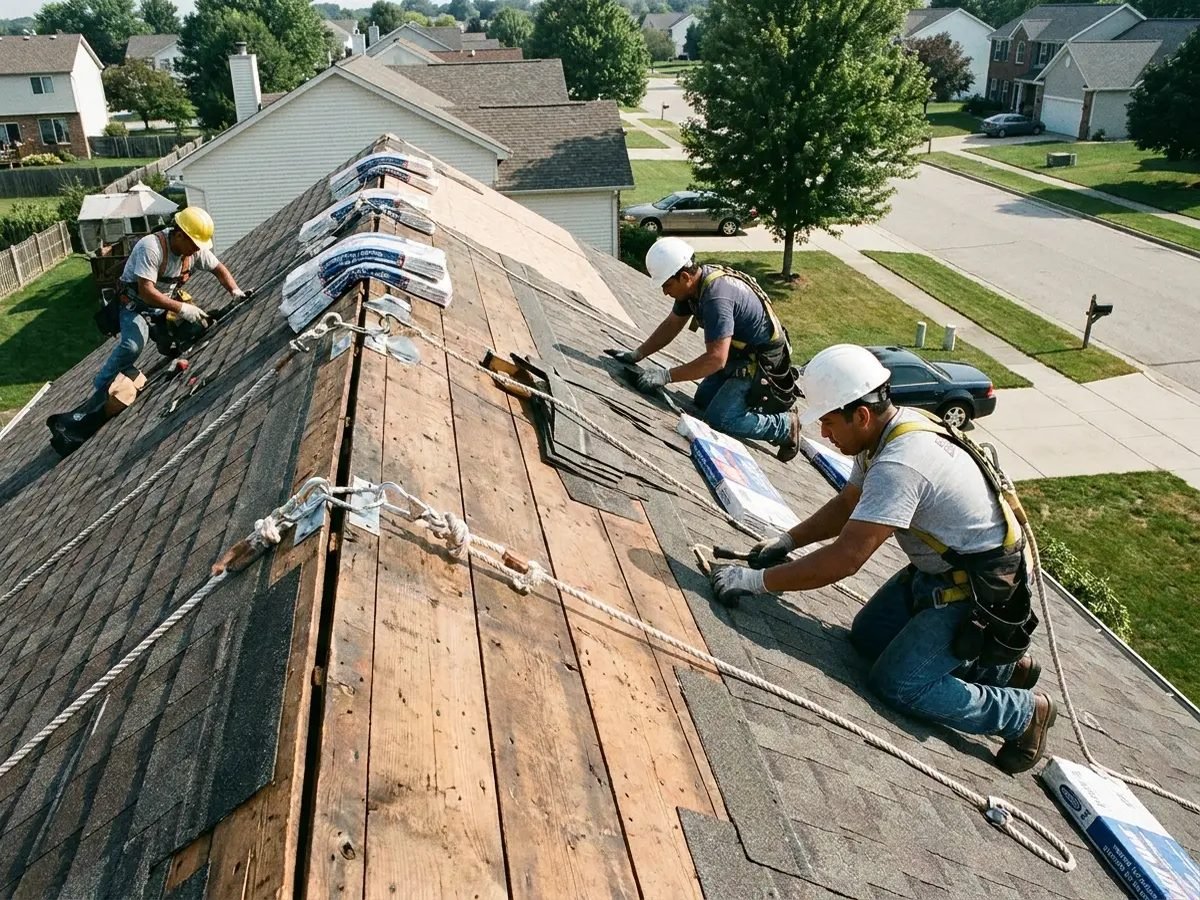
Metal roofing and asphalt shingles are the two most common choices for residential roof replacement in the United States, and they differ significantly in upfront cost, lifespan, maintenance, and appearance. Neither option is universally better — the right choice depends on budget, how long a homeowner plans to stay in the home, local climate, and personal preference. This guide compares the two directly.
Cost Comparison
| Factor | Asphalt Shingles | Metal Roofing |
|---|---|---|
| Cost per sq. ft. (installed) | $4.00–$9.00 | $9.00–$16.00 |
| Typical total (1,800 sq ft roof) | $7,200–$16,200 | $16,200–$28,800 |
| Typical lifespan | 15–30 years | 40–70 years |
| Approx. cost per year of lifespan | $300–$800 | $250–$550 |
Estimates only — not a quote. These are national ranges compiled from public sources and industry data. They are not an offer of price and are not guaranteed. Your actual cost depends on your project, location, materials, permits and the contractor you choose. HomeMatchr does not set prices or perform work. See our full disclaimer.
Asphalt shingles cost roughly half to a third as much to install as metal roofing, which makes them the more accessible option for homeowners working with a tighter budget or planning to sell within a decade. Metal roofing costs more upfront but, because it lasts two to four times as long, often works out to a similar or lower cost per year over the full lifespan of the roof.
Lifespan and Durability
Asphalt shingles typically last 15–20 years for 3-tab shingles and up to 25–30 years for architectural shingles, depending on climate, ventilation, and installation quality. They can be damaged by hail, high winds, and prolonged UV exposure, and granule loss over time reduces their protective coating.
Metal roofing, whether standing seam panels or metal shingles, commonly lasts 40–70 years and resists wind, fire, and impact better than asphalt in most independent testing and manufacturer specifications. Metal is also less prone to algae and moss growth in humid climates. Some manufacturers back metal roofing products with a longer manufacturer’s warranty than typical asphalt shingle products, though terms vary by product line.
Pros and Cons of Asphalt Shingles
- Pros: lower upfront cost, wide range of colors and styles, easier and generally less expensive to repair in sections, familiar installation process for most contractors.
- Cons: shorter lifespan than metal, more susceptible to wind and hail damage, heavier than some metal products, requires full tear-off and landfill disposal at end of life in most cases.
Pros and Cons of Metal Roofing
- Pros: long lifespan, strong wind and fire resistance, reflects heat which can lower cooling costs in hot climates, often recyclable at end of life, lightweight compared to tile or slate.
- Cons: higher upfront cost, can be noisier in heavy rain without proper underlayment and insulation, fewer contractors specialize in metal installation in some regions, denting is possible from large hail depending on the panel type.
Which Option Fits a Given Home
Climate is one of the biggest factors. In areas with frequent hail, high wind, or wildfire risk, metal’s durability and fire resistance are often worth the added cost. In milder climates, or for homeowners who don’t plan to stay in the home for decades, asphalt shingles can deliver good value at a lower upfront price. Roof pitch also matters — metal standing-seam panels perform especially well on low-slope sections where shingles are more prone to leaks.
Resale plans matter too. A new architectural shingle roof is a familiar, expected upgrade in most markets, while a metal roof can be a stronger selling point in regions where buyers specifically look for durability and energy efficiency, though it doesn’t always return its full cost in resale value.
Maintenance Requirements
Ongoing upkeep is another real difference between the two materials. Asphalt shingle roofs benefit from periodic inspections, prompt replacement of damaged shingles, regular gutter cleaning, and treatment for moss or algae growth in humid or shaded climates — skipping these small tasks is often what shortens a shingle roof’s lifespan. Metal roofs generally need less attention: an occasional visual inspection, keeping debris out of valleys, and touching up any scratched protective coating are usually enough to keep a metal roof performing well for decades. For homeowners who want to minimize the time and cost spent on upkeep after installation, metal has a clear advantage, though it comes at a higher initial price.
Which Climate Fits Which Material
Climate often tips the decision. In regions with intense summer heat, metal’s reflectivity and lower attic temperatures can noticeably reduce cooling costs. In wildfire-prone areas, metal roofing’s fire resistance offers added peace of mind, while in snowy climates, metal sheds snow and ice more effectively than shingles, which can reduce the risk of ice dams forming at the roof edge. Asphalt shingles remain a solid, cost-effective performer in more moderate climates without extreme heat, wildfire risk, or heavy snow load, which is part of why they remain the default choice across much of the country.
Comparing Quotes for Either Material
Because installation techniques, underlayment requirements, and warranty terms differ between asphalt and metal roofing, it helps to request quotes from independent contractors experienced in the specific material under consideration. Ask each contractor to confirm licensing and insurance directly, and to itemize material, labor, tear-off, and warranty terms so the bids are easy to compare side by side.
HomeMatchr makes it possible to compare no-obligation quotes from independent roofing contractors after submitting project details once. HomeMatchr is an advertising-supported service and may receive a referral fee when a homeowner connects with a provider.
Frequently asked questions
Is metal roofing more expensive than shingles?
Yes, metal roofing typically costs about 1.5 to 2.5 times more per square foot to install than asphalt shingles. However, because metal often lasts two to four times as long, the cost per year over the roof’s lifespan can be closer between the two options.
Does metal roofing last longer than shingles?
Generally yes. Asphalt shingles typically last 15–30 years depending on the product and climate, while metal roofing commonly lasts 40–70 years, and some standing-seam systems can last even longer with proper maintenance.
Is a metal roof noisier than a shingle roof in the rain?
A metal roof can sound louder than shingles during heavy rain if it’s installed directly over open framing, but solid decking, underlayment, and attic insulation — standard in most residential installations — significantly reduce the noise difference.
Can I install metal roofing over existing shingles?
In some cases, yes, depending on local building code and the condition of the existing roof, though many contractors recommend a full tear-off for metal installations to ensure proper decking and underlayment. Ask a contractor to evaluate your specific roof.
Which roofing material is better for hot or hail-prone climates?
Metal roofing tends to perform well in hot climates because it reflects heat rather than absorbing it, and impact-resistant panels handle hail better than standard asphalt shingles in many cases. A local contractor can advise on the best fit for your specific climate and budget.
Compare Roofing quotes
Enter your ZIP code to request no-obligation quotes from independent contractors.
HomeMatchr is an advertising-supported service and may receive a referral fee when you connect with a service provider.
