Walk-In Shower Installation: Cost & Options
Compare walk-in shower costs, styles, and curbless designs before you hire a contractor.
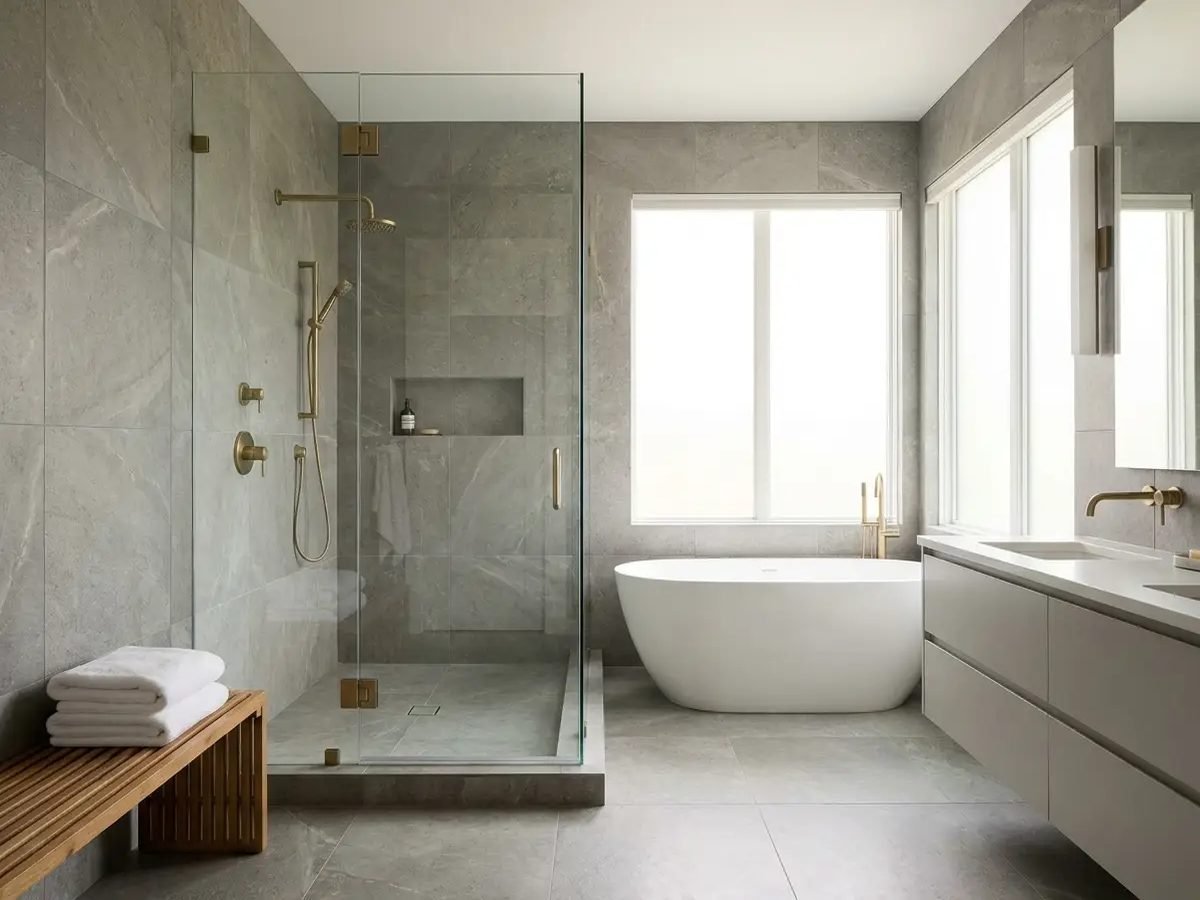
Walk-in showers have become one of the most requested bathroom upgrades in the US, driven both by a preference for open, modern shower design and by a growing interest in accessible, age-in-place layouts. Replacing a tub-and-shower combo or an aging shower stall with a walk-in design is a focused project that can range from a straightforward swap to a more involved renovation, depending on the style and features you choose.
Walk-In Shower Installation Cost
Pricing depends heavily on shower size, materials, and whether plumbing needs to move. Here’s what homeowners typically spend in 2026.
| Project Type | Typical Cost Range | Average Cost |
|---|---|---|
| Prefabricated shower kit installation | $3,000 – $7,500 | $5,000 |
| Custom tiled walk-in shower | $6,500 – $15,000 | $9,500 |
| Curbless / zero-threshold shower | $8,000 – $18,000 | $12,000 |
| Luxury walk-in shower (multiple heads, bench, niche) | $15,000 – $30,000+ | $20,000 |
Estimates only — not a quote. These are national ranges compiled from public sources and industry data. They are not an offer of price and are not guaranteed. Your actual cost depends on your project, location, materials, permits and the contractor you choose. HomeMatchr does not set prices or perform work. See our full disclaimer.
Prefabricated fiberglass or acrylic shower kits sit at the affordable end because they arrive as a single or multi-piece unit that installs relatively quickly. Custom tiled showers cost more because they require a waterproofed pan, tile setting, and finish work, but they offer far more flexibility in size, shape, and design.
Walk-In Shower Options
There are a few main paths to choose from when planning a walk-in shower:
- Prefab shower kits: factory-made acrylic or fiberglass units that install faster and cost less, with fewer customization options.
- Custom tiled showers: built on-site with a waterproof membrane, tile walls and floor, and a built-in drain, offering the widest range of design choices.
- Frameless glass enclosures: glass panels without a bulky metal frame, giving an open, seamless look that’s popular in modern bathrooms.
- Doorless walk-in showers: an open entry design, often paired with a curbless floor, that eliminates the door and glass panel entirely.
Curbless and ADA-Style Walk-In Showers
A curbless, or zero-threshold, shower removes the raised curb between the bathroom floor and the shower pan, creating a flush, step-free entry. This style is popular for two main reasons: it gives showers a sleeker, more open appearance, and it removes a common tripping hazard, making it a practical choice for aging in place or for households with mobility needs. A true ADA-compliant shower typically also includes a wider entry (at least 36 inches), a fold-down or built-in bench seat, grab bars mounted to reinforced blocking in the wall, and a slip-resistant floor surface. Because a curbless design requires the subfloor to be lowered or built up around the drain to maintain proper slope, it typically adds cost and construction time compared to a standard curbed shower, particularly on a second floor or over a concrete slab.
Popular Walk-In Shower Features
- Built-in niches or shelving for storing shampoo and soap without freestanding caddies.
- Bench seating, either built-in or fold-down, for comfort and accessibility.
- Multiple shower heads, including rain heads and handheld sprayers on a sliding bar.
- Grab bars, which can be installed discreetly and finished to coordinate with other fixtures.
- Linear drains, which run along one edge of the shower and support a more minimal, uninterrupted floor slope.
- Frameless glass or half-glass panels instead of a full enclosure, for a more open feel.
What Affects Walk-In Shower Cost
- Shower size: a larger footprint means more tile, more waterproofing membrane, and more labor.
- Plumbing location: keeping the existing drain and supply lines in place is far less expensive than relocating them.
- Tile vs. prefab: custom tile work costs more in labor than installing a one-piece or multi-piece shower surround.
- Glass enclosure style: frameless glass costs more than framed or semi-frameless options.
- Curbless construction: lowering or modifying the subfloor for a step-free entry adds carpentry and waterproofing work.
Installation Timeline
A prefabricated shower kit installation, when plumbing stays in the same location, can often be completed in two to four days. A custom tiled shower takes longer because the process involves multiple stages that need time to cure and dry properly: framing or subfloor adjustments, waterproof membrane application, a mortar bed for the shower pan, tile setting, grouting, and finally installing fixtures and glass. A custom tiled walk-in shower typically takes one to two weeks from demolition to a finished, usable shower, and a curbless design with subfloor modifications can extend that timeline further. Homeowners should also plan for a period without a functioning shower in that bathroom, which is worth factoring in if it’s the only bathroom in the home.
Maintenance Considerations
Walk-in showers are generally easier to keep clean than a tub-shower combo because there’s no vertical tub wall trapping soap scum and no caulk seam between a tub and tile to maintain. Glass panels need periodic squeegeeing or a glass treatment to prevent hard water spots, and grout lines in a tiled shower should be sealed periodically to resist staining and moisture. Linear drains and larger format tile also mean fewer grout lines overall, which can further simplify long-term upkeep compared to a smaller-tile shower surround.
Getting Started
Because a walk-in shower project touches plumbing, waterproofing, and often structural framing, it’s worth having more than one contractor assess your bathroom before choosing a direction. Share a few details about your space and the style you’re considering, and you can compare no-obligation quotes from independent contractors through HomeMatchr. Reviewing multiple estimates side by side makes it easier to understand what’s included in each bid, from tile allowances to glass enclosure type, before committing to a contractor.
Frequently asked questions
How much does a walk-in shower installation cost?
A prefabricated shower kit typically costs $3,000 to $7,500, while a custom tiled walk-in shower runs $6,500 to $15,000. Curbless and luxury designs with multiple features can cost $12,000 to $30,000 or more.
What is a curbless walk-in shower?
A curbless, or zero-threshold, shower has a flush entry with no raised curb between the bathroom floor and the shower pan. It requires the subfloor to be adjusted around the drain, which typically adds cost compared to a standard curbed shower.
Is a walk-in shower ADA-compliant by default?
Not automatically. A true ADA-compliant shower needs specific features, including a wide entry of at least 36 inches, grab bars anchored to reinforced blocking, a slip-resistant floor, and often a built-in bench seat.
How long does it take to install a walk-in shower?
A prefabricated shower kit can often be installed in two to four days when plumbing stays in place. A custom tiled walk-in shower typically takes one to two weeks due to waterproofing and curing time between stages.
Can I convert a tub into a walk-in shower?
Yes, this is a common project called a tub-to-shower conversion. It’s often less expensive than a full walk-in shower build-out because it can reuse the existing plumbing and footprint in many cases.
Compare Bathroom Remodeling quotes
Enter your ZIP code to request no-obligation quotes from independent contractors.
HomeMatchr is an advertising-supported service and may receive a referral fee when you connect with a service provider.
