Insulation Cost Guide: By Type & Area
See real-world price ranges for every insulation type and every part of the home before you request quotes.
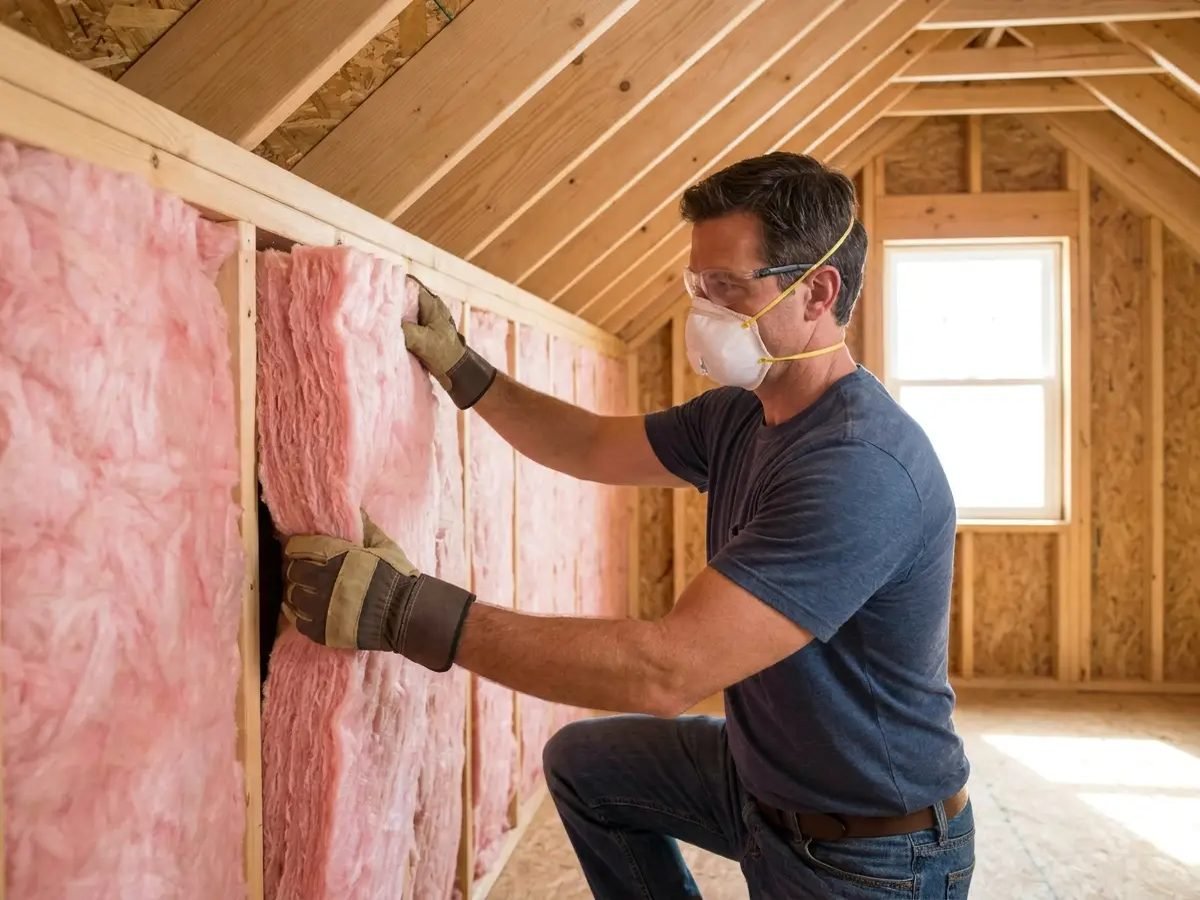
Insulation cost depends on far more than just the material itself. The area being insulated, how accessible it is, whether old insulation needs to be removed, your home’s square footage, and local labor rates all factor into the final price. This guide breaks down typical costs by insulation type and by area of the home, so you know roughly what to expect before requesting quotes.
Cost by Insulation Type
Material choice is the biggest single driver of price. Here’s what homeowners typically pay per square foot, installed:
| Insulation Type | Cost per Sq. Ft. (Installed) |
|---|---|
| Fiberglass batts | $1.50 – $3.50 |
| Blown-in cellulose | $1.75 – $3.50 |
| Blown-in fiberglass | $1.50 – $3.25 |
| Open-cell spray foam | $1.50 – $3.50 |
| Closed-cell spray foam | $3.00 – $7.50 |
| Rigid foam board | $2.00 – $5.00 |
| Injection foam (existing walls) | $2.00 – $5.50 |
Estimates only — not a quote. These are national ranges compiled from public sources and industry data. They are not an offer of price and are not guaranteed. Your actual cost depends on your project, location, materials, permits and the contractor you choose. HomeMatchr does not set prices or perform work. See our full disclaimer.
Cost by Area of the Home
Different areas of a house require different techniques and access, which affects labor cost as much as material. Typical project totals:
| Area | Typical Project Cost | Notes |
|---|---|---|
| Attic (avg. 1,000 sq ft) | $1,500 – $3,500 | Batts or blown-in; spray foam runs higher |
| Exterior walls (avg. home) | $2,000 – $6,000 | Injection or blown-in for existing walls |
| Crawl space | $1,500 – $4,500 | Includes vapor barrier in many cases |
| Basement walls | $1,500 – $5,000 | Rigid foam or closed-cell spray foam common |
| Rim/band joists | $500 – $1,500 | Spray foam is the typical choice |
| Whole-house project | $2,000 – $10,000+ | Varies widely with home size and materials |
Estimates only — not a quote. These are national ranges compiled from public sources and industry data. They are not an offer of price and are not guaranteed. Your actual cost depends on your project, location, materials, permits and the contractor you choose. HomeMatchr does not set prices or perform work. See our full disclaimer.
What Affects Your Total Insulation Cost
- Home size and layout: Larger homes and more complex rooflines or wall configurations require more material and labor.
- Old insulation removal: Removing damaged, wet, or contaminated insulation before installing new material typically adds $1,000 to $3,000.
- Accessibility: Tight crawl spaces, finished attics, or walls that require injection through drilled holes cost more to insulate than open, easy-to-reach areas.
- Target R-value: Reaching a higher R-value requires thicker application or denser material, which increases both material and labor cost.
- Air sealing add-ons: Caulking, foam sealant around penetrations, and duct sealing are often bundled with insulation jobs and add a modest amount to the total but improve performance.
- Regional labor rates: Insulation contractor rates vary by metro area, similar to other home service trades.
Ways to Manage Insulation Costs
- Focus first on the attic, which typically offers a strong return relative to the money spent
- Ask your contractor whether new insulation can be layered over existing material instead of requiring full removal
- Combine spray foam in high-leak areas (rim joists, additions) with lower-cost batts or blown-in insulation elsewhere
- Check current-year eligibility for federal tax credits such as Section 25C, which have historically offset a percentage of eligible insulation costs up to an annual cap — rules and availability change, so confirm before assuming a specific credit applies
- Request multiple quotes — pricing for the same scope of work can vary significantly between contractors
Financing and Incentives
Beyond any current federal tax credit, some utility companies and state energy offices offer rebates or low-interest financing for insulation upgrades, particularly when paired with an energy audit. Ask contractors during the quote process whether they’re familiar with rebate programs in your state, since availability and amounts vary.
How Insulation Cost Compares to Other Home Upgrades
Compared to many other home improvement projects, insulation offers one of the faster paybacks per dollar spent. A new roof or HVAC system can run into the tens of thousands of dollars, while a well-targeted insulation upgrade, such as topping off attic insulation or sealing rim joists, often costs a few thousand dollars and can meaningfully reduce monthly energy bills right away. That said, insulation works best as part of a broader efficiency picture: an under-insulated home with an old, leaky HVAC system will still waste energy even after insulation is upgraded, and a well-insulated home with a failing furnace won’t reach its full savings potential either. Many contractors recommend starting with an energy audit or a simple attic and duct inspection to identify the highest-impact areas before committing to a full-scope project.
Getting an Accurate Quote
Because so many factors affect the final price, phone or online estimates are only a rough starting point. A contractor visiting your home in person can measure actual square footage, check existing insulation depth and condition, identify air leaks, and confirm which areas would benefit most from an upgrade. A detailed written quote should specify the material and brand being used, the R-value being installed, the square footage covered, and whether removal of old material or air sealing is included, so you can compare quotes on an apples-to-apples basis rather than just a bottom-line number.
Request Insulation Quotes and Compare Real Pricing
The cost ranges above are national averages — actual pricing for your specific home and zip code can vary. The most reliable way to know what your project will really cost is to compare quotes from contractors who can assess your home in person. HomeMatchr makes this simple: enter your ZIP code and a few project details, then request no-obligation quotes from independent insulation contractors, so you can compare real numbers side by side before you decide.
Frequently asked questions
What is the average cost to insulate a whole house?
Whole-house insulation projects typically range from $2,000 to $10,000 or more, depending on home size, insulation type, and how many areas (attic, walls, crawl space) are included.
Which insulation is cheapest?
Fiberglass batts and blown-in fiberglass are generally the most affordable options, typically ranging from $1.50 to $3.50 per square foot installed. Closed-cell spray foam is the most expensive due to its higher R-value and material cost.
Does removing old insulation cost extra?
Yes. If existing insulation is wet, moldy, or damaged by pests, it typically needs to be removed and disposed of before new insulation is installed, which usually adds $1,000 to $3,000 to the project.
Is there a tax credit that lowers insulation cost?
Federal credits such as the Section 25C Energy Efficient Home Improvement Credit have, in past years, allowed homeowners to claim a percentage of eligible insulation and air-sealing costs up to an annual cap. Confirm current-year rules and availability with a tax professional before assuming a specific credit applies.
How do I get accurate insulation pricing for my home?
National averages are a helpful starting point, but actual pricing depends on your home’s size, accessibility, and local labor rates. HomeMatchr connects you with no-obligation quotes from independent insulation contractors so you can compare real, project-specific pricing.
About tax credits, rebates and incentives. Program rules, amounts and deadlines change and depend on your own eligibility, income and installation year. Nothing here is tax, legal or financial advice, and no credit or rebate is guaranteed. Confirm current rules with a qualified tax professional or the official program before you rely on them.
Compare Insulation quotes
Enter your ZIP code to request no-obligation quotes from independent contractors.
HomeMatchr is an advertising-supported service and may receive a referral fee when you connect with a service provider.
