Solar Panel Cost by System Size
See typical solar panel cost ranges by system size and request no-obligation quotes.
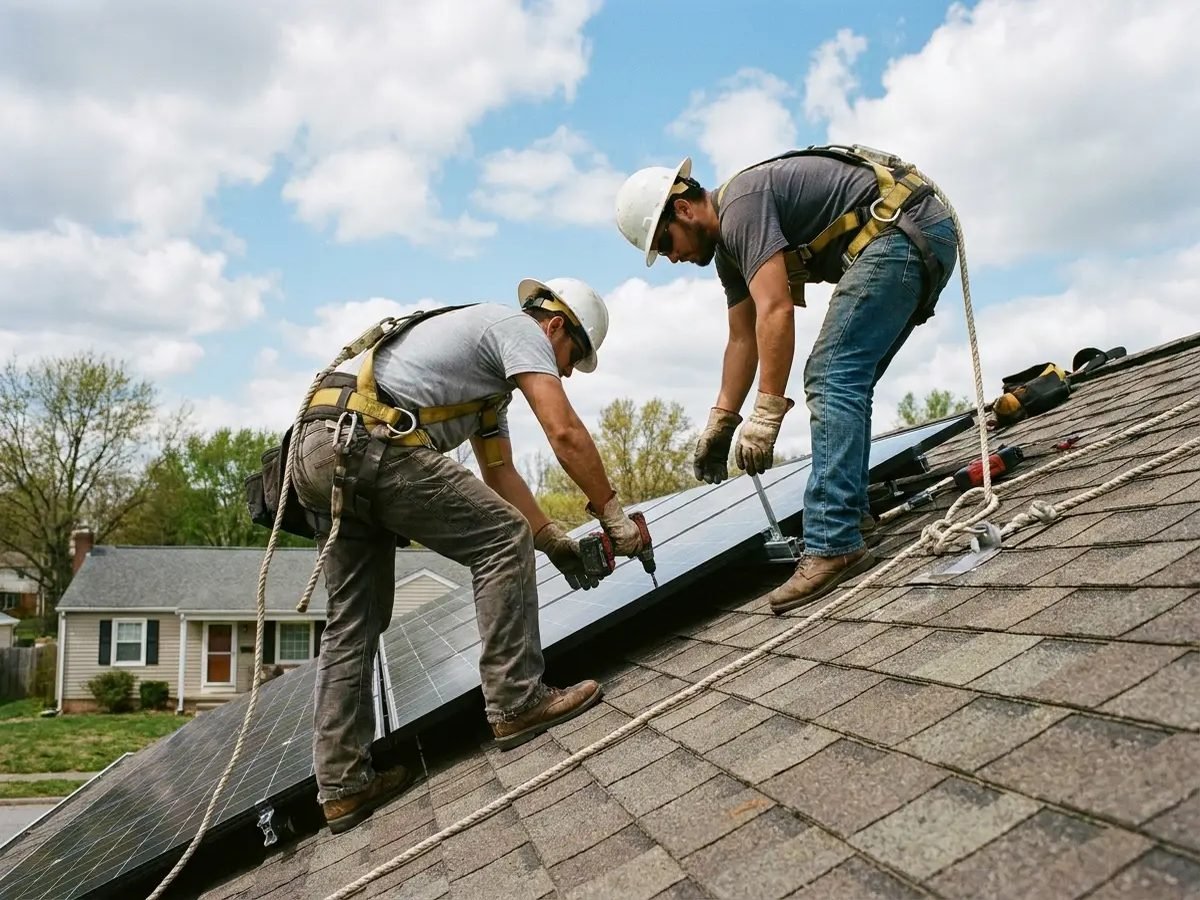
Average Solar Panel Cost by System Size
Solar panel installation cost is typically calculated per watt. Most residential installations fall between roughly $2.50 and $3.80 per watt before any tax credits or incentives, based on national industry cost data. That per-watt price generally covers panels, the inverter, racking and mounting hardware, wiring, permitting, and labor. Where you live, your roof’s condition, and the contractor you choose all affect the final number.
The table below shows estimated costs for common system sizes.
| System Size | Estimated Cost Range | Typical Household Fit |
|---|---|---|
| 3 kW | $7,500 – $10,500 | Small home, low usage |
| 5 kW | $12,500 – $17,500 | Average 1–2 person household |
| 7 kW | $17,500 – $24,500 | Average family home |
| 10 kW | $25,000 – $35,000 | Larger home or high usage |
| 12 kW | $30,000 – $42,000 | Large home, EV charging, or high offset goals |
Estimates only — not a quote. These are national ranges compiled from public sources and industry data. They are not an offer of price and are not guaranteed. Your actual cost depends on your project, location, materials, permits and the contractor you choose. HomeMatchr does not set prices or perform work. See our full disclaimer.
Cost Per Watt Explained
Cost per watt is the standard way installers and homeowners compare solar pricing, since it accounts for system size rather than a single flat number. To estimate a rough price, multiply system size in watts by the per-watt price. A 6,000-watt (6 kW) system priced at $3.20 per watt, for example, would cost approximately $19,200 before incentives. Per-watt pricing tends to be lower for larger systems, since fixed costs like permitting and mobilization are spread across more panels.
Before and After the Federal Tax Credit
The federal Residential Clean Energy Credit has allowed homeowners to claim a percentage of qualifying solar costs on their federal income taxes. Because eligibility, percentages, and program rules can change with new tax legislation, always confirm the current credit status and rate on IRS.gov or with a tax professional before assuming a specific percentage applies to your project. See HomeMatchr’s federal solar tax credit guide for more detail on how the credit has worked and what to check for your installation year.
What’s Included in a Solar Installation Quote
A complete quote should itemize:
- Panel brand, model, and wattage
- Inverter type (string, power optimizer, or microinverter) and brand
- Racking and mounting hardware
- Estimated annual energy production
- Permitting, inspection, and utility interconnection fees
- Labor and installation timeline
- Monitoring system and app access
- Total price and payment or financing terms
Ask each contractor to break down pricing the same way so proposals are easier to compare side by side.
Ways to Manage the Upfront Cost
Homeowners typically pay for solar through one of a few methods: paying cash upfront, taking out a solar loan, or entering a lease or power purchase agreement (PPA) where a third party owns the system and you pay for the power it produces. Cash and loan purchases generally allow you to claim available tax credits and tend to produce greater long-term savings, since you own the equipment outright. Leases and PPAs can lower the upfront cost but typically transfer available tax benefits to the system owner, not the homeowner, and can affect a future home sale. Ask any contractor to walk through the total cost of ownership under each option, not just the monthly payment.
How Roof Type Affects Installation Cost
Your roof’s material and structure influence both labor time and equipment needs. Composition shingle roofs are generally the easiest and least expensive to work with, since standard mounting hardware attaches directly to the rafters through the shingles. Tile, slate, and metal roofs typically require specialized flashing and mounting hardware, which adds labor time and cost. A flat or low-slope roof may need tilted racking to angle panels toward the sun, adding material cost. If your roof is older or shows signs of wear, an installer may recommend addressing that before or during the solar installation, since removing panels to redo roofing work later adds significant expense.
New Construction vs. Retrofit Installations
Installing solar panels on an existing home, sometimes called a retrofit, typically costs more per watt than including solar in new construction. New-construction installations can integrate wiring, roof penetrations, and electrical panel capacity into the original build, reducing labor. Retrofits may require additional work such as running new conduit, upgrading an existing electrical panel, or reinforcing roof structure to support the added weight, all of which can add to the total price.
Signs a Quote May Be Underpriced or Overpriced
Because pricing can differ substantially between contractors for a similar system, it helps to know what typically drives a quote higher or lower than average. A quote significantly below others for a comparable system may reflect lower-tier equipment, a less experienced crew, or a company cutting corners on permitting and inspection steps. A quote significantly above average isn’t necessarily unreasonable, but it should come with a clear explanation, such as premium equipment, a more complex roof, or additional services like a roof upgrade or electrical panel replacement bundled into the project. Comparing itemized quotes side by side is the most reliable way to judge whether a price is reasonable for your specific home.
Getting Solar Panel Cost Quotes
Solar pricing varies enough by contractor, equipment, and local labor rates that a single quote rarely tells the full story. Request no-obligation quotes from independent solar contractors through HomeMatchr to compare pricing, equipment, and estimated production for your specific home. HomeMatchr is an advertising-supported service and may receive a referral fee when you connect with a provider.
Frequently asked questions
What is a typical price per watt for solar panels?
Most residential installations fall between about $2.50 and $3.80 per watt before incentives, though pricing varies by region, equipment, and roof complexity.
Does a bigger system cost less per watt?
Often, yes. Larger systems tend to have a lower cost per watt because fixed costs like permitting and mobilization are spread across more panels.
Are there ongoing costs after installation?
Solar panels require minimal ongoing costs. Budget for occasional cleaning, monitoring, and an eventual inverter replacement, typically 10 to 15 years after installation for string inverters.
Is financing available for solar panels?
Many contractors offer or partner with lenders for solar loans, and some offer lease or power purchase agreement options. Financing terms and eligibility vary by contractor and lender.
How do I compare quotes from different installers?
Compare quotes using the same criteria: equipment brand and specifications, estimated annual production, total price, financing terms, and workmanship coverage, not just the bottom-line number.
About tax credits, rebates and incentives. Program rules, amounts and deadlines change and depend on your own eligibility, income and installation year. Nothing here is tax, legal or financial advice, and no credit or rebate is guaranteed. Confirm current rules with a qualified tax professional or the official program before you rely on them.
Compare Solar Panels quotes
Enter your ZIP code to request no-obligation quotes from independent contractors.
HomeMatchr is an advertising-supported service and may receive a referral fee when you connect with a service provider.
