Heat Pump Cost by Type and Size
Compare typical installed heat pump costs by system type and home size before you request quotes.
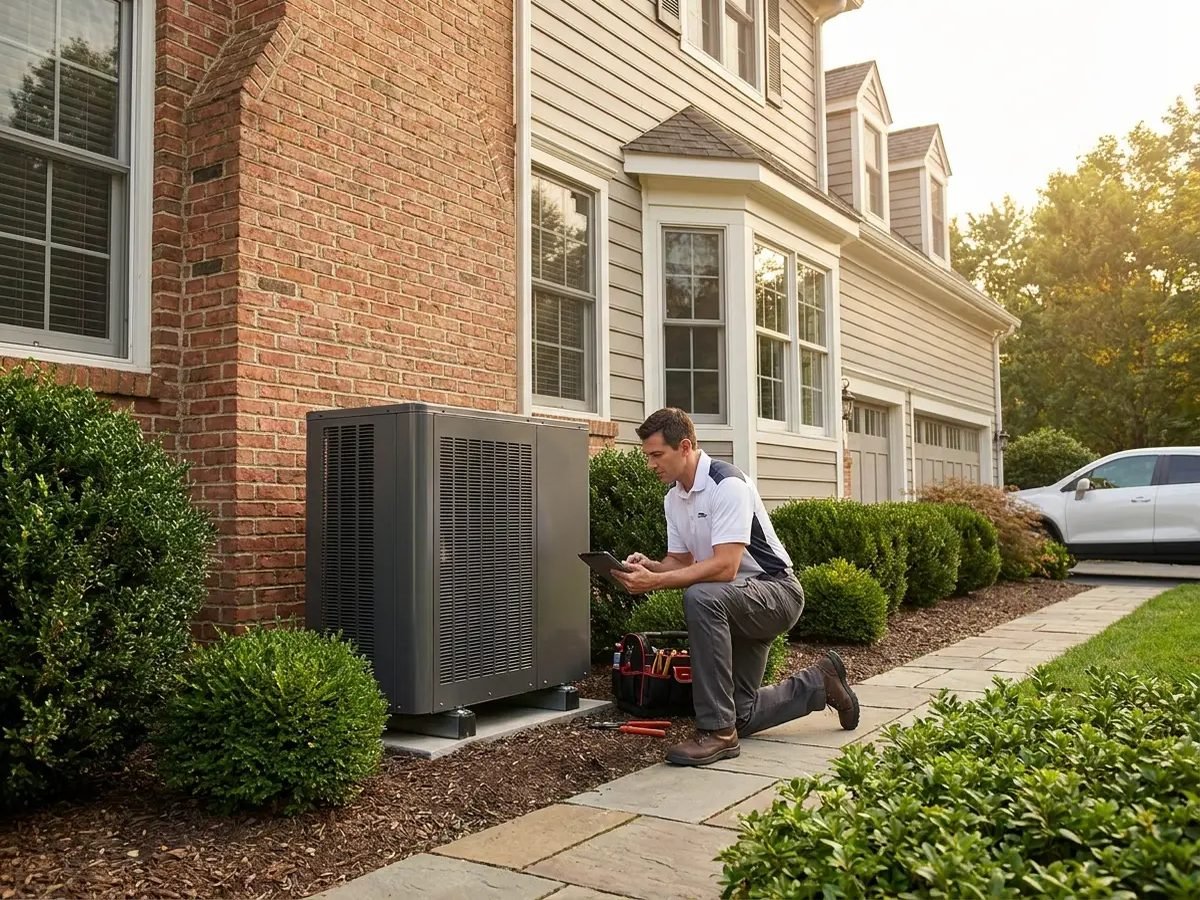
Heat pump cost varies more than most HVAC purchases because it depends on the system type, the size needed for the home, and how much supporting work — like ductwork or electrical upgrades — the installation requires. This page breaks down typical U.S. installed costs by system type and home size, the main factors that move the price, and ongoing costs to expect after installation.
Average Heat Pump Cost
Most homeowners installing a full air-source heat pump system report installed costs between roughly $4,500 and $14,000, including equipment and labor. Ductless mini-split systems for a single room typically run lower, while whole-home geothermal systems run significantly higher because of the excavation or drilling required for the ground loop.
Cost by System Type
| System Type | Installed Cost Range |
|---|---|
| Ductless mini-split, single zone | $2,000 – $4,500 |
| Ductless mini-split, multi-zone (2–5 rooms) | $6,000 – $14,000 |
| Air-source, ducted (standard efficiency) | $4,500 – $9,000 |
| Air-source, ducted (high efficiency / cold-climate) | $7,000 – $18,000 |
| Geothermal (ground-source) | $18,000 – $45,000 |
Estimates only — not a quote. These are national ranges compiled from public sources and industry data. They are not an offer of price and are not guaranteed. Your actual cost depends on your project, location, materials, permits and the contractor you choose. HomeMatchr does not set prices or perform work. See our full disclaimer.
Cost by Home Size
Tonnage — the cooling and heating capacity of the unit — is one of the biggest cost drivers for a ducted system. A contractor should confirm sizing with a load calculation, but these ranges reflect what homes of a given size commonly need.
| Home Size | Typical Tonnage | Installed Cost Range |
|---|---|---|
| Up to 1,200 sq ft | 2 ton | $4,500 – $7,500 |
| 1,200 – 1,800 sq ft | 3 ton | $5,500 – $9,500 |
| 1,800 – 2,500 sq ft | 4 ton | $6,500 – $11,500 |
| 2,500 – 3,200 sq ft | 5 ton | $8,000 – $14,000 |
Estimates only — not a quote. These are national ranges compiled from public sources and industry data. They are not an offer of price and are not guaranteed. Your actual cost depends on your project, location, materials, permits and the contractor you choose. HomeMatchr does not set prices or perform work. See our full disclaimer.
Installation Cost Factors
- Equipment tier — standard-efficiency units cost less up front, while high-efficiency and cold-climate-rated units cost more but use less electricity.
- Ductwork condition — repairing, resizing, or adding ductwork adds materially to the total project cost.
- Electrical work — some installations need a new circuit or a panel upgrade to support the outdoor unit and any electric backup heat.
- Removal of old equipment — decommissioning an old furnace, boiler, or window units adds labor time.
- Line set and refrigerant lines — longer distances between the indoor and outdoor units increase material and labor costs.
- Permits and inspections — fees vary by city and county and are sometimes bundled into the contractor’s quote.
Ongoing Costs After Installation
Beyond the installed price, plan for annual maintenance — typically a coil cleaning, refrigerant level check, and filter service — which helps the system run efficiently and can extend its lifespan. Filters for ducted systems and ductless indoor units should be cleaned or replaced on a regular schedule. Electricity costs will shift after installation, since a heat pump handles both heating and cooling, so it’s worth asking a contractor for an estimate of expected monthly operating costs based on your local utility rates and climate.
Replacement vs. New Installation
Replacing an existing furnace and air conditioner with a heat pump is often less expensive than installing a heat pump in a home that has never had central heating or cooling, since the ductwork, electrical circuit, and equipment pad may already be in place. New construction or a home converting from radiators, baseboard heat, or window units typically requires additional work — running new ductwork or a refrigerant line set, adding an electrical circuit, and pouring or leveling an outdoor equipment pad — which adds to the total project cost. A contractor’s initial site visit should identify which of these extra steps your project needs before providing a firm number.
Financing Options
Many HVAC contractors offer financing plans for heat pump installations, and some utility companies offer on-bill financing tied to energy efficiency upgrades. Terms, interest rates, and eligibility vary by lender and contractor, so it’s worth comparing the total cost of financing — not just the monthly payment — across more than one offer. Federal tax credits and state or utility rebates can also reduce the net cost of the project; ask each contractor what current incentives apply to the equipment they’re proposing.
Getting an Accurate Price
Because so many variables affect the final number, the ranges above are a starting point rather than a firm price for your home. A contractor visit and load calculation are the only way to get an accurate figure for your specific house, ductwork, and electrical setup. Requesting quotes from more than one independent contractor makes it easier to compare equipment choices, scope of work, and pricing before you commit. Through HomeMatchr, you can request no-obligation quotes from independent contractors and review the details before deciding who to hire. HomeMatchr is an advertising-supported service and may receive a referral fee when you connect with a provider.
Frequently asked questions
What is the average cost to install a heat pump?
Most full air-source installations fall between roughly $4,500 and $14,000 installed, depending on system type, home size, and how much supporting ductwork or electrical work is needed. Ductless single-zone systems can cost less, and geothermal systems cost significantly more.
Is a ductless mini-split cheaper than a ducted heat pump?
A single-zone ductless mini-split is usually cheaper to install than a full ducted system, since it avoids ductwork costs entirely. A multi-zone ductless setup covering several rooms can cost a similar amount to a ducted system, depending on the number of indoor units.
Why is geothermal so much more expensive than air-source?
Geothermal systems require excavating or drilling to install underground loops that exchange heat with the ground, which adds significant labor and equipment cost compared with an air-source system that only needs an outdoor compressor unit.
Does heat pump size affect the price?
Yes. Larger homes generally need higher-tonnage equipment, which costs more for both the unit and the labor to install it. A contractor should determine the correct size using a load calculation rather than square footage alone.
What ongoing costs should I budget for after installation?
Plan for annual maintenance such as coil cleaning and refrigerant checks, regular filter service, and a change in monthly electricity costs since the heat pump now handles both heating and cooling for the home.
About tax credits, rebates and incentives. Program rules, amounts and deadlines change and depend on your own eligibility, income and installation year. Nothing here is tax, legal or financial advice, and no credit or rebate is guaranteed. Confirm current rules with a qualified tax professional or the official program before you rely on them.
Compare Heat Pumps quotes
Enter your ZIP code to request no-obligation quotes from independent contractors.
HomeMatchr is an advertising-supported service and may receive a referral fee when you connect with a service provider.
