Siding Costs & Contractor Guide
Compare no-obligation quotes from independent siding contractors.
Request Siding quotes
Answer a few quick questions and compare quotes from independent contractors.
What Siding Does for Your Home
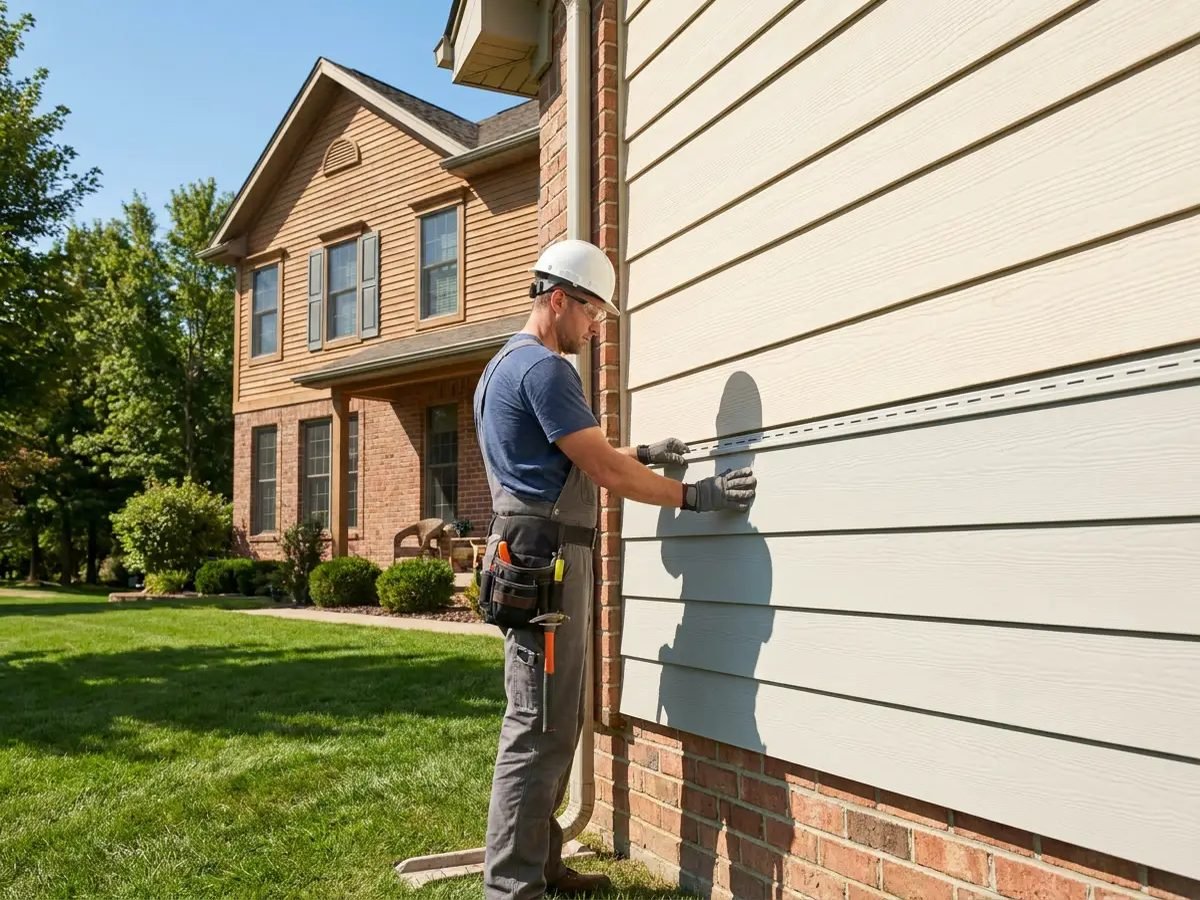
Siding is the exterior cladding that covers a home’s outer walls. It is one of the most important parts of the building envelope, protecting the wood or masonry structure underneath from rain, wind, snow, UV exposure, and temperature swings. Beyond weatherproofing, siding plays a major role in curb appeal, insulation performance, and resale value. When siding fails, through cracking, warping, or moisture intrusion, water can get behind the wall assembly and lead to rot, mold, and structural damage that costs far more to repair than the siding itself.
Homeowners typically replace siding for one of three reasons: the existing material has reached the end of its service life, storm or impact damage has compromised sections of the wall, or they are updating the look of the home before selling or after a larger renovation. In older homes, a siding replacement project is also a common opportunity to add house wrap, rigid foam insulation, or updated flashing around windows and doors.
Signs You May Need New Siding
Common indicators include warped or buckling panels, cracked or missing sections, frequent repainting needs, rising energy bills, visible mold or mildew on interior walls near exterior corners, and siding that feels soft or spongy when pressed. Small areas of damage can sometimes be patched or spot-repaired, but widespread issues, especially moisture trapped behind the wall, usually call for full replacement of the affected sides or the entire exterior.
Siding Material Options
The material you choose affects upfront cost, long-term maintenance, durability, and appearance. Common options include:
- Vinyl siding — the most widely installed siding material in the US, valued for its lower upfront cost and minimal upkeep.
- Fiber cement siding — a cement, sand, and cellulose composite (popularized by James Hardie) known for durability and a wood-like appearance.
- Wood siding — traditional clapboard, shingle, or board-and-batten styles with a natural look that require regular upkeep.
- Engineered wood siding — an OSB-based product treated with resin and zinc borate for moisture and insect resistance, priced below fiber cement.
- Metal siding — aluminum or steel panels that resist fire, insects, and rot, often used on modern or industrial-style homes.
- Brick and stone veneer — a masonry look at a fraction of full masonry cost, applied over a standard wall structure.
- Stucco — a cement-based finish common in the Southwest and other warm, dry climates.
Average Siding Costs
Total project cost depends on material, home size, number of stories, and how much repair the existing wall surface needs before new siding goes on. The table below shows typical installed cost ranges for a mid-size home.
| Material | Installed Cost (per sq. ft.) | Typical Total (2,000 sq. ft. home) |
|---|---|---|
| Vinyl | $4 – $9 | $8,000 – $18,000 |
| Engineered wood | $6 – $11 | $12,000 – $22,000 |
| Fiber cement | $8 – $14 | $16,000 – $28,000 |
| Wood (cedar/clapboard) | $9 – $16 | $18,000 – $32,000 |
| Metal (steel/aluminum) | $7 – $15 | $14,000 – $30,000 |
| Brick/stone veneer | $12 – $30 | $24,000 – $60,000 |
| Stucco | $7 – $12 | $14,000 – $24,000 |
Estimates only — not a quote. These are national ranges compiled from public sources and industry data. They are not an offer of price and are not guaranteed. Your actual cost depends on your project, location, materials, permits and the contractor you choose. HomeMatchr does not set prices or perform work. See our full disclaimer.
What Drives the Cost of a Siding Project
- Home size and shape — more wall area, dormers, gables, and corners increase labor time and material waste.
- Removal and disposal — stripping old siding down to the sheathing adds labor and dumpster costs compared with installing over an existing layer where local code allows it.
- Sheathing and moisture barrier repair — rotted plywood, damaged house wrap, or missing flashing found during tear-off adds to the scope.
- Number of stories — two- and three-story homes often require scaffolding or lift rental, which raises labor cost.
- Trim, soffit, and fascia work — many projects include new trim boards, corner posts, and window or door casing to match the new siding.
- Insulation upgrades — adding rigid foam board beneath new siding improves energy performance but increases material cost.
- Region and labor rates — coastal areas and high cost-of-living metros typically run higher than rural markets.
- Product tier — within each material category, premium colors, textures, and thicker panel gauges cost more than builder-grade options.
How to Choose and Hire a Siding Contractor
Siding installation affects a home’s weatherproofing for decades, so the installer matters as much as the material. Before signing a contract:
- Always confirm a contractor is licensed and insured in your state before hiring, and ask to see current documentation.
- Request a detailed written estimate that separates material, labor, tear-off, disposal, and any sheathing or flashing repair as line items.
- Ask how the contractor handles moisture barriers, flashing around windows and doors, and manufacturer installation instructions — improper flashing is a leading cause of siding failure.
- Check whether the quoted product includes a manufacturer’s warranty, and get the warranty terms in writing.
- Compare scope, materials, and price across estimates — a low bid that skips tear-off or flashing repair can cost more down the road.
- Ask about the project timeline, cleanup process, and how the crew protects landscaping, windows, and existing siding during installation.
Climate and Regional Considerations
Local climate is worth factoring into material choice alongside cost. Homes in freeze-thaw climates benefit from siding that resists cracking and moisture intrusion at seams, which is one reason fiber cement and metal are popular in the Midwest and Northeast. Coastal homes exposed to salt air often do better with vinyl, fiber cement, or coated metal rather than untreated wood, which can deteriorate faster near the ocean. In wildfire-prone regions of the West, some jurisdictions restrict combustible siding materials, making fiber cement, stucco, or metal a requirement rather than a preference. Checking with your local building department before finalizing a material is a useful step, especially for homes in a wildfire, hurricane, or historic overlay zone.
How HomeMatchr Works
HomeMatchr helps homeowners compare quotes for siding replacement and repair projects. Answer a few questions about your home and the scope of work, then request quotes from independent contractors for your project. You can compare no-obligation quotes covering different materials, timelines, and price points before deciding how to move forward. HomeMatchr is an advertising-supported service and may receive a referral fee when you connect with a provider.
Frequently asked questions
How much does new siding cost?
Most siding replacement projects on a mid-size home run from about $8,000 for vinyl to $28,000 or more for fiber cement or wood, depending on the material, home size, and how much repair the existing wall surface needs. Brick or stone veneer typically costs the most. Request quotes from independent contractors to get a price based on your home.
How long does siding installation take?
A typical single-family home takes one to two weeks to reside, depending on square footage, number of stories, weather, and whether the crew needs to remove old siding and repair sheathing. Larger homes, brick or stone veneer, and extensive trim work can extend the timeline.
Can new siding be installed over old siding?
In some cases, yes, particularly with vinyl or certain engineered wood products over sound existing siding. However, installing over old siding can trap moisture and hide underlying damage, so many contractors recommend a full tear-off, especially if the home is more than a few decades old or shows signs of rot.
What is the most durable siding material?
Fiber cement and metal siding are generally considered the most durable options, resisting fire, insects, and impact damage well, with a service life of 30 to 50 years or more when properly installed and maintained. Vinyl is durable for its price point but can crack in extreme cold and fade over time.
Does new siding increase home value?
Industry cost-versus-value studies have consistently ranked siding replacement among the home improvement projects with the strongest return at resale, particularly vinyl and fiber cement siding, because it improves curb appeal and signals a well-maintained exterior to buyers.
Also compare pros for

Compare Siding quotes
Enter your ZIP code to request no-obligation quotes from independent contractors.
HomeMatchr is an advertising-supported service and may receive a referral fee when you connect with a service provider.
