Tub-to-Shower Conversion: Cost & Process
See what a tub-to-shower conversion costs, how it works, and the trade-offs to consider.
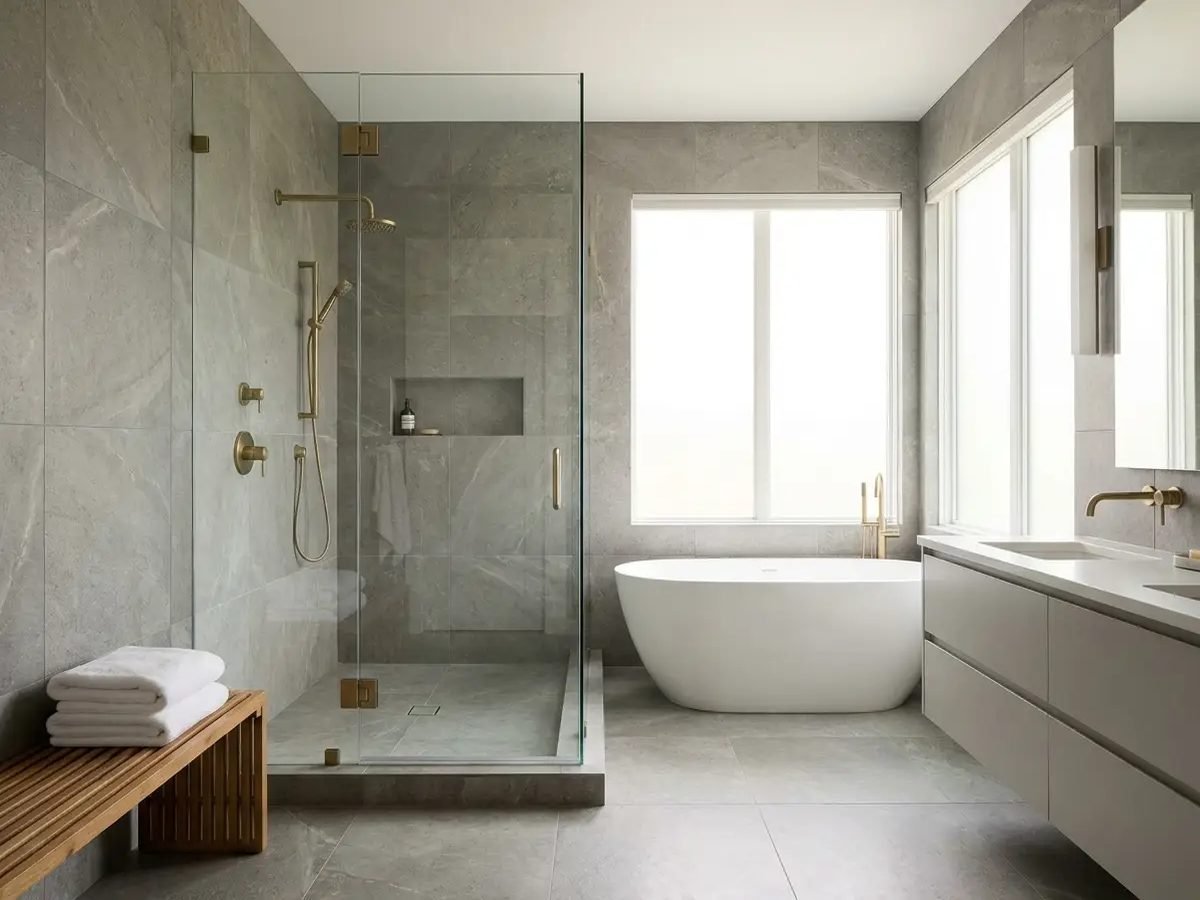
A tub-to-shower conversion is one of the most focused, cost-effective bathroom projects a homeowner can take on. Rather than reworking the entire room, it targets one fixture: replacing an underused bathtub with a walk-in shower. It’s a popular choice for households that rarely use their tub, want a more accessible bathing option, or simply prefer a more modern shower experience.
Tub-to-Shower Conversion Cost
Pricing depends on the shower type, materials, and whether the plumbing and drain location stay the same.
| Conversion Type | Typical Cost Range | Average Cost |
|---|---|---|
| Prefab shower insert (same footprint) | $2,500 – $6,500 | $4,000 |
| Custom tiled shower conversion | $6,000 – $13,000 | $9,000 |
| Curbless / accessible conversion | $7,500 – $16,000 | $11,000 |
| Conversion with plumbing relocation | $10,000 – $20,000 | $14,000 |
Estimates only — not a quote. These are national ranges compiled from public sources and industry data. They are not an offer of price and are not guaranteed. Your actual cost depends on your project, location, materials, permits and the contractor you choose. HomeMatchr does not set prices or perform work. See our full disclaimer.
Because a tub and a shower generally use the same drain and rough-in location, many conversions can reuse the existing plumbing, which keeps costs toward the lower end of these ranges. Projects that also move the drain, add a bench, or upgrade to a curbless design cost more.
The Conversion Process
A typical tub-to-shower conversion follows a fairly consistent sequence of steps:
- Removal: the existing tub, surrounding tile or surround panels, and sometimes the subfloor around the drain are removed.
- Plumbing check: the contractor inspects the drain and supply lines, adjusting them if the new shower requires a different configuration.
- Waterproofing: a waterproof membrane is applied to the shower pan area and walls to prevent water from reaching the framing.
- Pan or base installation: either a prefabricated shower base or a mortar-set custom pan is installed and sloped toward the drain.
- Wall finish: tile, a one-piece surround panel, or acrylic wall panels are installed over the waterproofed walls.
- Fixtures and glass: the showerhead, controls, any niches or benches, and the glass door or panel are installed last.
Most straightforward conversions, where plumbing stays in place and a prefab shower base is used, can be completed in three to five days. Custom tiled conversions typically take one to two weeks due to the curing time needed between waterproofing, mortar, and grout stages.
Pros of Converting a Tub to a Shower
- Improved accessibility: stepping into a shower is generally easier and safer than stepping over a tub wall, particularly for older adults or anyone with mobility limitations.
- Space efficiency: a shower stall often takes up less visual and physical space than a tub-and-surround, which can make the whole bathroom feel larger.
- Modern appeal: walk-in showers are a widely requested feature among buyers, which can be a plus if you’re planning to sell in the coming years.
- Lower water use: showers generally use less water per use than filling a bathtub, which can modestly reduce water bills over time.
- Easier cleaning: without a tub wall trapping grime and soap scum, a well-designed shower is often quicker to keep clean.
Cons and Considerations
- Loss of bathing option: if you or future buyers have young children or prefer baths, removing the only tub in the home can be a downside worth discussing with your household first.
- Resale considerations: some real estate professionals advise keeping at least one tub in the home, particularly if it’s the only full bathroom, since some buyers specifically look for a tub.
- Upfront cost: even a straightforward conversion is a real expense, and a curbless or fully custom version can approach the cost of a broader bathroom update.
- Water containment: without a door or with a partial glass panel, a poorly planned shower conversion can allow more water to escape onto the bathroom floor than a tub did.
Choosing Materials for the Conversion
Wall and floor material choice affects both cost and long-term maintenance. One-piece or multi-piece acrylic and fiberglass surrounds are the most budget-friendly option, install quickly, and have few seams to maintain, though they offer limited design flexibility. Ceramic or porcelain tile costs more in labor but allows for custom sizing, patterns, and color choices, and holds up well over time when properly sealed and maintained. Natural stone tile, such as marble or travertine, sits at the premium end and requires more regular sealing to resist staining and water damage. Solid-surface panels are a newer middle-ground option, offering a seamless look similar to acrylic with more color and texture choices than a standard prefab kit.
Is a Tub-to-Shower Conversion Right for You?
If your household rarely uses the tub, values accessibility, or wants to modernize the bathroom without a full renovation, a conversion is often one of the more cost-effective upgrades available. If you’re planning to sell soon and your home has only one bathroom, it’s worth weighing local buyer preferences before removing the only tub. Either way, the best way to understand what the project will cost for your specific bathroom is to compare estimates. Share your project details, and you can compare no-obligation quotes from independent contractors through HomeMatchr to see pricing and approach side by side before you decide.
Frequently asked questions
How much does a tub-to-shower conversion cost?
A prefab shower insert using the existing footprint typically costs $2,500 to $6,500. A custom tiled conversion runs $6,000 to $13,000, and a curbless or accessible design can cost $7,500 to $16,000 or more.
How long does a tub-to-shower conversion take?
A straightforward conversion using a prefab shower base and the existing plumbing can often be completed in three to five days. Custom tiled conversions typically take one to two weeks due to waterproofing and curing time.
Does removing a tub hurt resale value?
It can, particularly if it’s the only tub in the home, since some buyers specifically look for one. If you have more than one bathroom, converting a secondary tub is generally less of a resale concern.
Can the conversion reuse my existing plumbing?
In most cases, yes. A tub and shower typically use the same drain and supply line location, which is why many conversions avoid the added cost of relocating plumbing.
Is a tub-to-shower conversion worth it?
For households that rarely use the tub or want a more accessible bathing option, it’s often one of the more cost-effective bathroom upgrades available, since it targets one fixture rather than the whole room.
Compare Bathroom Remodeling quotes
Enter your ZIP code to request no-obligation quotes from independent contractors.
HomeMatchr is an advertising-supported service and may receive a referral fee when you connect with a service provider.
