Heat Pump Tax Credits and Rebates
How the federal 25C tax credit and IRA HEEHRA rebate program can lower the cost of a heat pump.
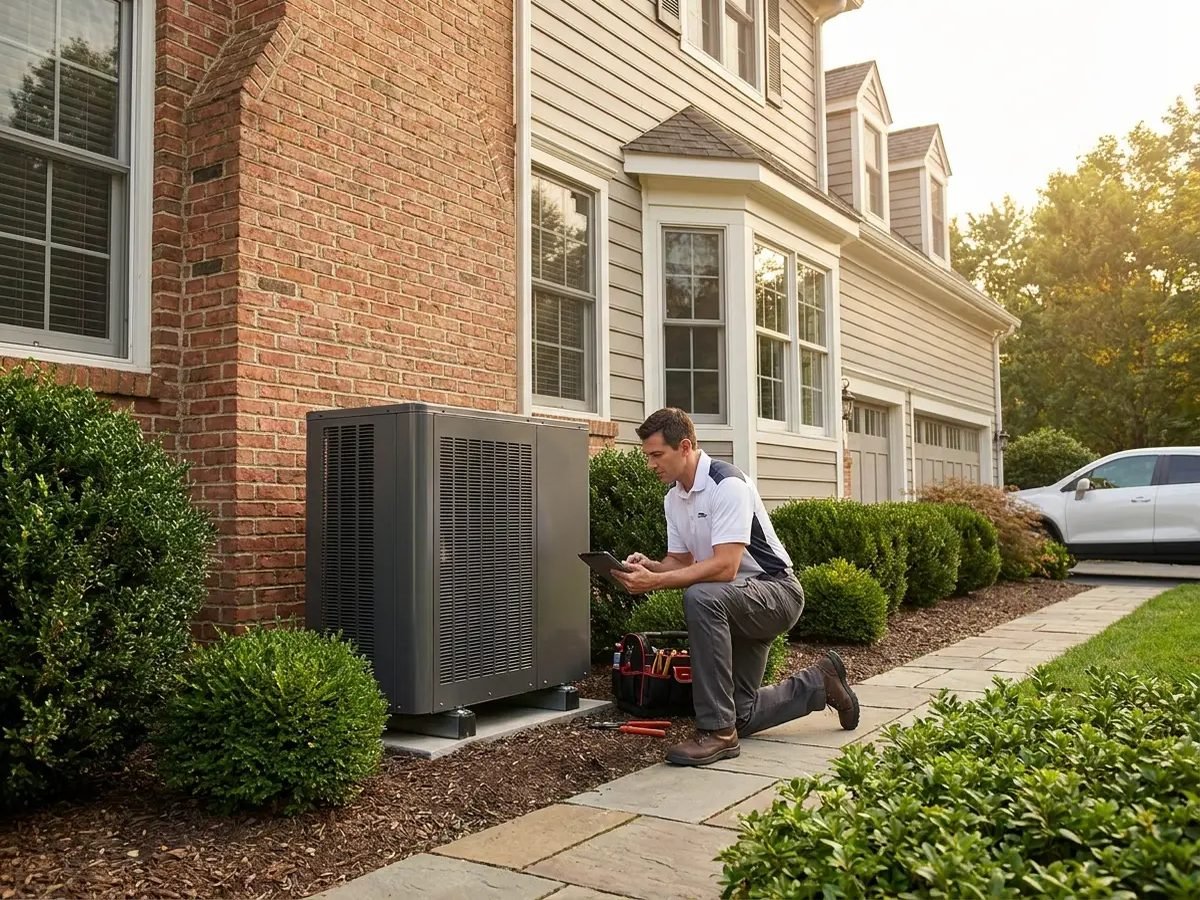
Federal, state, and utility programs can reduce the net cost of a heat pump installation, but the rules, amounts, and eligibility requirements vary by program and change over time. This page summarizes the main federal incentives available for heat pumps, how they work, and general steps for claiming them — always confirm current details with the IRS, your state energy office, or a tax professional before you file.
Federal Tax Credit: Energy Efficient Home Improvement Credit (25C)
The Energy Efficient Home Improvement Credit, sometimes referred to by its tax code section, 25C, allows homeowners to claim 30% of the cost of a qualifying heat pump, up to a maximum credit of $2,000 per year. This is a nonrefundable federal income tax credit, meaning it reduces the tax you owe rather than providing a direct payment, and it applies to your primary or secondary residence. Unlike some older programs, this credit can generally be claimed every year you make an eligible purchase, rather than being limited to a single lifetime amount, though annual caps still apply.
IRA Rebates: High-Efficiency Electric Home Rebate Program (HEEHRA)
The Inflation Reduction Act created the High-Efficiency Electric Home Rebate Program, often called HEEHRA, which can provide a rebate of up to $8,000 toward the cost of a qualifying heat pump installation. This program is administered by individual states and is generally aimed at low- and moderate-income households, with the rebate amount based on household income relative to the area median income. Because states roll out HEEHRA on their own timelines, availability and exact rebate amounts differ depending on where you live.
Comparing the Main Federal Programs
| Program | Type | Maximum Amount | Basis |
|---|---|---|---|
| 25C Energy Efficient Home Improvement Credit | Tax credit | Up to $2,000 per year | 30% of project cost, most households |
| HEEHRA (IRA rebate) | Point-of-sale or reimbursed rebate | Up to $8,000 | Based on household income, state-administered |
Estimates only — not a quote. These are national ranges compiled from public sources and industry data. They are not an offer of price and are not guaranteed. Your actual cost depends on your project, location, materials, permits and the contractor you choose. HomeMatchr does not set prices or perform work. See our full disclaimer.
State and Utility Rebates
Many state energy offices and local utility companies offer their own rebates for heat pump installations, sometimes stacked on top of the federal programs above. These programs commonly require the installed equipment to meet a minimum efficiency rating, such as ENERGY STAR certification, and may require using a contractor enrolled in the utility’s program. Because these offers change frequently, check directly with your state energy office or your electric or gas utility for current program details before you sign a contract.
Eligibility Requirements
- Equipment generally must meet minimum efficiency requirements set by the program, such as ENERGY STAR or Consortium for Energy Efficiency (CEE) tiers.
- The 25C tax credit applies to your primary or secondary residence, but not to a property used solely as a rental.
- HEEHRA rebate amounts depend on household income relative to the area median income, and some households may be eligible for the full amount while others receive a partial rebate or none.
- Save your equipment specification sheets, invoices, and a Manufacturer’s Certification Statement, since these are typically needed to claim the tax credit.
Why Program Details Change
Federal tax credit amounts, state rebate funding, and utility program budgets are all subject to change from year to year, and some state rebate programs have limited funding that can run out before the program year ends. A model or efficiency tier that was eligible last year may not automatically be eligible this year, and rebate amounts for HEEHRA in particular depend on both your household income and how much funding your state has allocated. Because of this, it’s worth confirming current program status and equipment eligibility close to the time you plan to install, rather than relying on figures from a prior year.
How to Claim These Incentives
- Confirm the specific equipment model meets the efficiency requirements for the credit or rebate you’re targeting.
- Keep the invoice, model and serial numbers, and any manufacturer certification documents from the installation.
- The 25C credit is generally claimed on IRS Form 5695 with the federal tax return for the year the equipment was installed — confirm the current procedure with a tax professional.
- Apply for HEEHRA or state and utility rebates through the administering state agency or utility program, since the application process is separate from the federal tax credit.
- Ask your contractor for documentation up front — many are familiar with the paperwork these programs require.
Getting Quotes That Account for Incentives
Because eligibility and rebate amounts vary by household and location, it helps to discuss available incentives directly with the contractors you’re considering, since many are familiar with current state and utility programs in their service area. Through HomeMatchr, you can request no-obligation quotes from independent contractors and ask each one what federal, state, or utility incentives may apply to your project. HomeMatchr is an advertising-supported service and may receive a referral fee when you connect with a provider.
Frequently asked questions
How much is the federal tax credit for a heat pump?
The Energy Efficient Home Improvement Credit (25C) allows a credit of 30% of the cost of a qualifying heat pump, up to $2,000 per year. It’s a nonrefundable credit, meaning it reduces the federal income tax you owe.
What is the HEEHRA rebate and who is it for?
HEEHRA is the High-Efficiency Electric Home Rebate Program created under the Inflation Reduction Act, offering up to $8,000 toward a qualifying heat pump installation. It’s administered by individual states and is generally targeted at low- and moderate-income households based on area median income.
Can I use the tax credit and a rebate program together?
In many cases, yes — the federal 25C tax credit and state-administered rebate programs like HEEHRA are separate programs and can often be combined, though exact rules vary by state and household income. Confirm current stacking rules with your state energy office or a tax professional.
Does my heat pump have to meet certain efficiency standards to be eligible?
Yes, most federal, state, and utility programs require the equipment to meet minimum efficiency ratings, such as ENERGY STAR certification or Consortium for Energy Efficiency tiers, so it’s important to confirm the specific model meets the requirements before purchasing.
What paperwork do I need to claim these incentives?
Keep your installation invoice, the equipment’s model and serial numbers, and any Manufacturer’s Certification Statement. You’ll generally use IRS Form 5695 for the federal tax credit, while state or utility rebates typically have a separate application process.
About tax credits, rebates and incentives. Program rules, amounts and deadlines change and depend on your own eligibility, income and installation year. Nothing here is tax, legal or financial advice, and no credit or rebate is guaranteed. Confirm current rules with a qualified tax professional or the official program before you rely on them.
Compare Heat Pumps quotes
Enter your ZIP code to request no-obligation quotes from independent contractors.
HomeMatchr is an advertising-supported service and may receive a referral fee when you connect with a service provider.
