Home Battery Without Solar Panels
Use cases, grid-charging basics, and tax credit rules for batteries installed without solar.
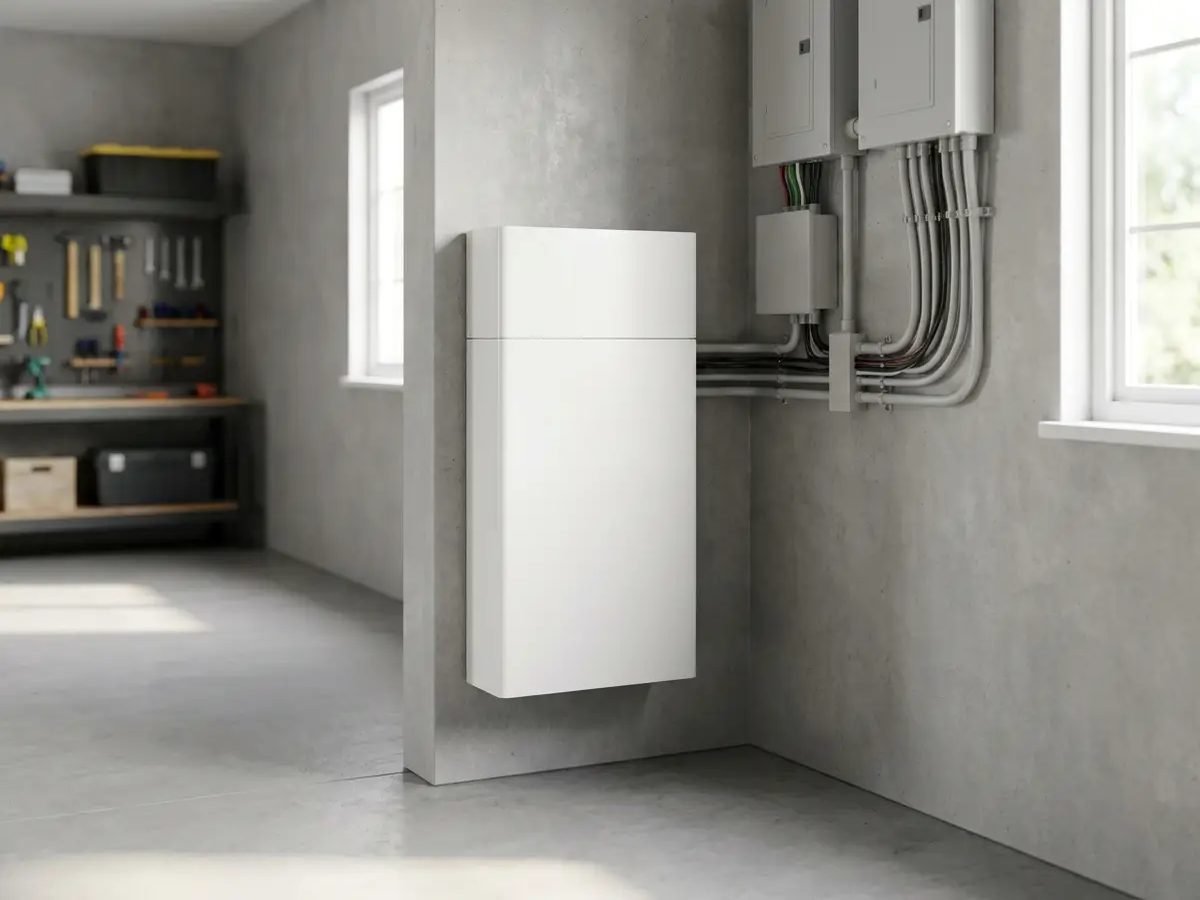
Why Install a Battery Without Solar
While home batteries are often installed alongside solar panels, they don’t have to be. A battery can charge directly from the electric grid and still provide backup power during an outage or help manage electricity costs on a time-of-use rate plan. Homeowners who aren’t ready for a full solar installation, or whose roof isn’t well suited for solar, sometimes install a standalone battery first and consider adding solar panels later.
Common Use Cases
- Backup power in outage-prone areas. A grid-charged battery can keep essential circuits — refrigeration, lighting, medical equipment, a sump pump — running during a power outage without a generator.
- Time-of-use rate management. In areas with time-of-use electricity pricing, a battery can charge from the grid during lower-cost off-peak hours and discharge during higher-cost peak hours.
- Homes not suited for solar. Heavy tree shading, roof orientation, or a roof nearing the end of its life can make solar impractical even though battery backup is still wanted.
- Staged electrification projects. Some households install a battery first to establish backup power, then add solar panels or additional battery capacity later as budget allows.
- Renters and shorter-term homeowners. A standalone battery is sometimes simpler to size and install without the roof work and longer-term commitment associated with a full solar array.
How a Standalone Battery Charges
Without solar panels, a battery charges from the utility grid through the home’s electrical panel, typically overnight or during scheduled off-peak hours if the utility offers time-of-use rates. Most systems can be programmed to charge automatically on a schedule, or to charge in advance of a forecast storm in areas with severe weather. During an outage, the battery switches to backup mode and powers the circuits it’s wired to, whether that’s a handful of essential loads or the entire home, until its stored capacity runs out or grid power returns.
Cost of a Standalone Battery
A battery installed without solar generally costs about the same per kWh as one installed alongside solar, since the battery, inverter, and backup wiring make up most of the cost either way. Installing a battery on its own can sometimes be simpler and faster than a combined solar-plus-storage project, since there’s no rooftop solar array to design, permit, and install at the same time. See the home battery cost guide for a full pricing breakdown.
| System Size | Typical Installed Cost (No Solar) |
|---|---|
| 5 kWh | $6,000 – $9,000 |
| 10 kWh | $10,000 – $16,000 |
| 13 – 16 kWh | $13,000 – $20,000 |
Estimates only — not a quote. These are national ranges compiled from public sources and industry data. They are not an offer of price and are not guaranteed. Your actual cost depends on your project, location, materials, permits and the contractor you choose. HomeMatchr does not set prices or perform work. See our full disclaimer.
Tax Credit Eligibility Without Solar
Under current federal rules, a home battery with at least 3 kWh of capacity can be eligible for the 30% Residential Clean Energy Credit whether or not it’s installed with solar panels. This is a change from earlier versions of the credit, which generally required a battery to be charged by an on-site renewable energy system. Because tax rules can change and every household’s situation is different, it’s worth confirming current eligibility with a tax professional before finalizing a project, and keeping installation invoices and equipment documentation for tax filing purposes.
Monitoring and Scheduling a Standalone Battery
Even without solar, a standalone battery typically comes with a manufacturer app that shows current charge level, recent discharge activity, and backup readiness at a glance. Homeowners can usually set custom schedules — for example, prioritizing a full charge ahead of storm season, or shifting toward maximum time-of-use savings during a calmer month — and switch between modes as needed. Many apps also send outage alerts and allow remote monitoring, which is useful for confirming a battery switched over correctly the moment the grid drops, especially for a property that isn’t checked on daily.
Comparing to a Solar-Paired System
The main tradeoff of skipping solar is recharging: a standalone battery depends on the grid to recharge once it’s depleted, so during a multi-day outage it can run out of stored power and stay empty until utility service returns. A solar-paired system can recharge from sunlight during daylight hours even while the grid is down, which extends how long backup power lasts in a longer outage. For shorter, more typical outages, or for homeowners primarily interested in time-of-use savings rather than multi-day resilience, a standalone battery still delivers most of the practical benefit without the added cost and complexity of a solar installation.
What to Ask a Contractor
- Which circuits will be wired to the battery, and is that enough for the backup goals?
- How will the battery be programmed to charge — on a fixed schedule, based on time-of-use rates, or both?
- Is the electrical panel and existing wiring able to support the battery without additional upgrades?
- Is the system designed to be solar-ready, in case solar panels are added later?
- What does the manufacturer’s warranty cover, and for how many years or cycles? See the home battery brands guide for how warranty terms compare.
HomeMatchr lets homeowners describe a standalone battery project and compare no-obligation quotes from independent contractors, which makes it easier to see pricing and system options without committing to solar at the same time. HomeMatchr is an advertising-supported service and may receive a referral fee when you connect with a provider.
Frequently asked questions
Can a home battery work without solar panels?
Yes. A standalone battery charges from the utility grid instead of solar, and can still provide backup power during outages and help manage electricity costs on a time-of-use rate plan.
Is a battery without solar still eligible for the tax credit?
In many cases, yes. Under current federal rules, a home battery with at least 3 kWh of capacity can be eligible for the 30% Residential Clean Energy Credit whether or not it’s paired with solar panels.
How does a standalone battery charge without solar?
It charges from the electric grid through the home’s panel, typically on a schedule set to off-peak hours if the utility offers time-of-use rates, and can also be set to charge ahead of forecast severe weather.
Is it less expensive to install a battery without solar?
The battery itself costs about the same per kWh either way, but a standalone battery project avoids the added cost, design, and permitting involved in installing a rooftop solar array at the same time.
Can I add solar panels later if I install a battery first?
In many cases, yes, as long as the battery and inverter are compatible with a future solar connection. Confirming solar-readiness with the contractor before installation avoids needing to replace equipment later.
About tax credits, rebates and incentives. Program rules, amounts and deadlines change and depend on your own eligibility, income and installation year. Nothing here is tax, legal or financial advice, and no credit or rebate is guaranteed. Confirm current rules with a qualified tax professional or the official program before you rely on them.
Compare Home Battery quotes
Enter your ZIP code to request no-obligation quotes from independent contractors.
HomeMatchr is an advertising-supported service and may receive a referral fee when you connect with a service provider.
