Siding in Washington State
Compare no-obligation siding quotes from independent contractors who work on Washington homes.
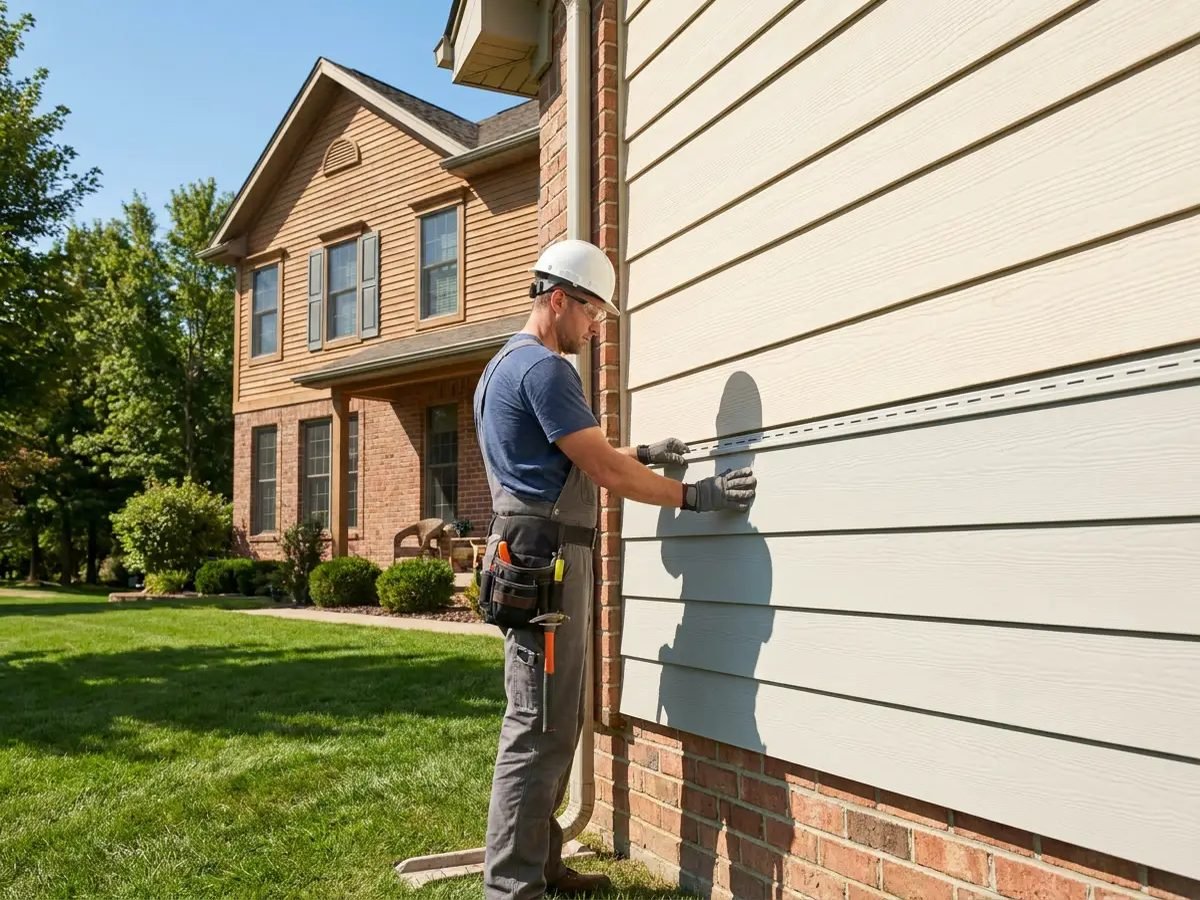
Washington homeowners face wet, mild winters and dry summers west of the Cascades, and a drier, colder climate in the east — conditions that shape how a siding system should be specified and installed. Constant damp and moss make moisture-resistant, well-sealed sidings like fiber cement popular in the Pacific Northwest.
Siding in Washington: what to know
Siding covers and protects a home’s exterior walls, and the material you choose affects maintenance, insulation, and curb appeal. Common options include vinyl, fiber cement, engineered wood, and traditional wood, each with different upkeep and lifespan. In Washington State, permits are typically handled through your city or county. Requirements vary between the rainy Seattle–Puget Sound region and eastern Washington, and many areas have HOAs.
What siding work involves
A siding project usually starts with removing or preparing the existing exterior, inspecting the sheathing and house wrap underneath for moisture damage, and repairing any rot before new material goes on. Flashing around windows, doors, and penetrations is renewed so water is directed away from the wall.
The new siding is installed over a weather-resistant barrier, with trim, corners, and soffit and fascia detailed to match. Proper fastening, overlap, and expansion gaps are what keep siding flat and watertight over time.
Many homeowners add or upgrade exterior insulation or house wrap during a re-side, since the walls are already exposed. It’s also a natural time to address ventilation and any pest or moisture issues found along the way.
Siding materials and options
The material sets the tone for cost, maintenance, and how long the siding lasts. These are the most common choices for U.S. homes.
| Material | Typical cost / sq ft installed | Lifespan |
|---|---|---|
| Vinyl | $4–$9 | 20–40 years |
| Fiber cement | $6–$14 | 30–50 years |
| Engineered wood | $6–$12 | 20–30 years |
| Natural wood | $7–$16 | 20–40 years |
| Stucco | $7–$14 | 40–60 years |
| Brick / stone veneer | $12–$30 | 50+ years |
Estimates only — not a quote. These are national ranges compiled from public sources and industry data. They are not an offer of price and are not guaranteed. Your actual cost depends on your project, location, materials, permits and the contractor you choose. HomeMatchr does not set prices or perform work. See our full disclaimer.
What drives siding costs in Washington
Siding is usually priced by the square foot of wall area, so the size and height of the home drive much of the total. Several other factors move the number up or down:
- Wall area, number of stories, and how much trim, gables, and detailing the home has.
- Material choice — vinyl sits at the lower end, while fiber cement, stucco, and masonry cost more.
- Condition of the sheathing underneath, since rot or moisture damage must be repaired first.
- Removal and disposal of the old siding, especially if there are multiple layers.
- Insulation, house wrap, and trim upgrades added during the project.
- Local labor rates, permits, and access around the home.
The active Puget Sound market and a short dry season can mean longer lead times for summer work. Use the ranges below as a starting point, then compare itemized quotes for your specific project.
| Project | Typical range |
|---|---|
| Vinyl re-side (1,500 sq ft home) | $8,000–$18,000 |
| Fiber cement re-side | $14,000–$32,000 |
| Partial siding repair | $600–$3,000 |
| Trim, soffit & fascia | $6–$20 / linear ft |
Estimates only — not a quote. These are national ranges compiled from public sources and industry data. They are not an offer of price and are not guaranteed. Your actual cost depends on your project, location, materials, permits and the contractor you choose. HomeMatchr does not set prices or perform work. See our full disclaimer.
Ranges are general U.S. estimates and are not a quote for your Washington project.
The siding process, step by step
Most re-side projects begin with an on-site measurement and a written, itemized quote. Once you approve the scope, the contractor orders material and schedules the crew, which can take a few weeks depending on the product.
During installation, the old siding comes off in sections, damaged sheathing is repaired, and the new weather barrier and siding go on wall by wall. A typical single-family home takes several days to about two weeks depending on size, material, and weather.
The job wraps up with trim, caulking, paint or touch-ups where needed, a site cleanup, and a walkthrough. Ask for the manufacturer’s material warranty and any workmanship terms in writing before the crew leaves.
Weather and timing for siding in Washington
Washington sees wet, mild winters and dry summers west of the Cascades, and a drier, colder climate in the east. The dry summer stretch is the best window for exterior projects across much of the state.
Because conditions here are specific, it helps to work with contractors who install in Washington State regularly and can point to the materials and methods that hold up locally. Requesting several quotes lets you compare not just price, but how each contractor plans for Washington’s climate.
Compare Siding quotes in Washington
Answer a few questions and request no-obligation quotes from independent contractors.
Frequently asked questions
How does Washington’s climate affect a siding system?
Constant damp and moss make moisture-resistant, well-sealed sidings like fiber cement popular in the Pacific Northwest. Comparing quotes from contractors who work in Washington State every day is a dependable way to match the right approach to local conditions.
Do I need a permit for siding in Washington?
Most projects of this type are permitted through your city or county, and the contractor you hire typically pulls it as part of the job. Requirements vary between the rainy Seattle–Puget Sound region and eastern Washington, and many areas have HOAs.
When is the best time of year for siding in Washington?
The dry summer stretch is the best window for exterior projects across much of the state. Requesting quotes a few weeks ahead helps you compare availability and lock in a schedule that works for you.
How long does new siding last?
It depends on the material: vinyl commonly lasts 20–40 years, fiber cement 30–50 years, and masonry veneers 50 years or more. Maintenance, installation quality, and climate all affect the real-world lifespan.
Can new siding be installed over old siding?
Sometimes, but many contractors recommend removing the old material so the sheathing can be inspected for moisture damage and a proper weather barrier installed. An itemized quote should spell out which approach is included.
Does new siding improve energy efficiency?
Siding itself is not a major insulator, but a re-side is a good time to add exterior insulation or house wrap and to seal gaps, which can modestly improve comfort and efficiency.
Choosing a siding contractor in Washington State
The right siding contractor in Washington State is about more than price. Comparing several quotes helps you weigh scope, materials, and timeline — and you are never obligated to hire anyone.
- Request quotes from several siding contractors in Washington State so you can compare price and scope side by side.
- Confirm each contractor’s licensing and insurance yourself before you hire — HomeMatchr does not verify this for you.
- Ask for an itemized quote covering materials, labor, permits, cleanup, and warranty terms.
- Check that the quote reflects Washington’s local codes, permit requirements, and climate.
New to hiring a contractor? The FTC’s consumer guide on hiring a contractor is a helpful, unbiased place to start.
Siding in other locations
- Siding in Phoenix, AZ
- Siding in Houston, TX
- Siding in Dallas, TX
- Siding in Atlanta, GA
- Siding in Tampa, FL
- Siding in Denver, CO
- Siding in Columbus, OH
- Siding in Portland, OR
- Siding in Seattle, WA
- Siding in Minneapolis, MN
- Siding in Orlando, FL
- Siding in Sacramento, CA
- Siding in Boston, MA
- Siding in Washington, DC
- Siding in Oklahoma City, OK
- Siding in Austin, TX
- Siding in Tucson, AZ
- Siding in Arizona
- Siding in Texas
- Siding in Florida
- Siding in Georgia
- Siding in Colorado
- Siding in Ohio
- Siding in Oregon
- Siding in Minnesota
- Siding in California
- Siding in Massachusetts
- Siding in Oklahoma
Other home services in Washington
Planning more than one project? Compare other home services in Washington State:
HomeMatchr is an advertising-supported referral service, not a contractor or installer. We connect you with independent contractors and may receive a referral fee. Always confirm a contractor’s licensing and insurance before you hire.
