

Air Conditioning in North Carolina
Compare up to 5 no-obligation air conditioning quotes from independent contractors who work on North Carolina homes.
Start my home project No obligation. You choose who to hire.

North Carolina homeowners face hot, humid summers, frequent thunderstorms, hurricane exposure along the coast, and winter ice inland and in the mountains — conditions that shape how a cooling system should be specified and installed. Hot, humid summers put AC systems under heavy load, so efficiency and dehumidification are key design factors.
Air Conditioning in North Carolina: what to know
An air conditioning project may be a repair, a replacement of aging equipment, or a new install. Central systems, heat pumps, and ductless mini-splits are the common choices. Correct sizing — based on a load calculation, not just the old unit — is what keeps a system efficient and comfortable. Efficient equipment may qualify for incentives. In North Carolina, permits are typically handled through your city or county. Rules vary between the coast, the Piedmont, and the mountains, and many neighborhoods have HOAs.
What air conditioning work involves
An AC project starts with a load calculation that accounts for your home’s size, insulation, windows, and climate, so the new system is sized correctly. Oversized units short-cycle and struggle with humidity; undersized ones can’t keep up in peak heat.
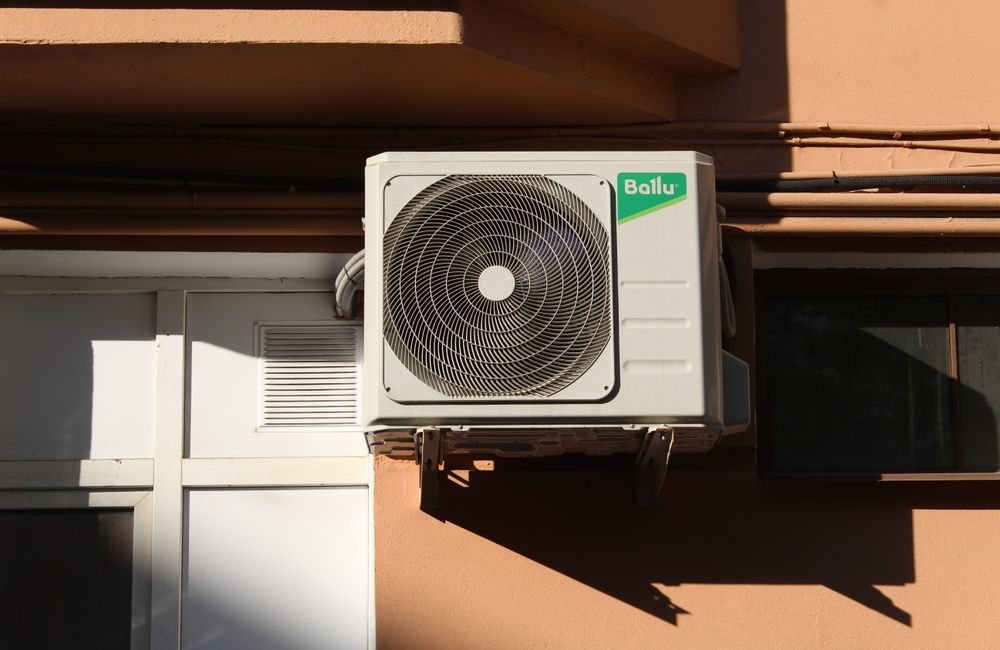
Installation sets the outdoor condenser, connects the indoor coil or air handler, runs refrigerant lines and electrical, and integrates with ductwork — or, for ductless systems, mounts wall or ceiling heads. Existing ducts are inspected and sealed where needed.
The system is charged, tested, and balanced, and the thermostat is set up. A quality install includes verifying airflow and refrigerant charge, which have a big effect on efficiency and lifespan.
Cooling system options
The right system depends on your home, whether you have ductwork, and your efficiency goals.
| Type | Notes |
|---|---|
| Central air conditioner | Whole-home; uses ductwork |
| Heat pump | Cools and heats efficiently |
| Ductless mini-split | No ducts; zone control |
| High-efficiency (high SEER2) | Higher upfront, lower running cost |
| Smart thermostat | Scheduling and efficiency |
What drives air conditioning costs in North Carolina
AC pricing depends on system type, size (tonnage), and efficiency rating (SEER2), plus any ductwork or electrical work. Factors include:
- System size matched to your home’s calculated cooling load.
- Central, heat pump, or ductless configuration.
- Efficiency rating — higher SEER2 costs more upfront but less to run.
- Ductwork repairs, replacement, or new runs.
- Electrical or thermostat upgrades.
- Local labor rates, permits, and any rebates.
Fast-growing metros like Charlotte and Raleigh are competitive, while coastal areas carry added wind-code considerations. Use the ranges below as a starting point, then compare itemized quotes for your specific project.
| Project | Typical range |
|---|---|
| Central AC replacement | $5,000–$12,000 |
| Ductless mini-split (single zone) | $3,500–$8,000 |
| Heat pump system | $7,000–$16,000 |
| AC repair | $150–$1,500 |
Ranges are general U.S. estimates and are not a quote for your North Carolina project.
The air conditioning process, step by step
The process begins with an in-home evaluation and load calculation, followed by a written proposal listing the equipment, efficiency rating, price, and any incentives.
Installation usually takes one to two days for a straightforward changeout, longer if ductwork or electrical work is involved. The crew sets the equipment and commissions the system.
After start-up, the contractor verifies airflow and refrigerant charge, sets the thermostat, and reviews maintenance. Get equipment and labor warranties in writing, and confirm any rebates you can claim.
Weather and timing for air conditioning in North Carolina
North Carolina sees hot, humid summers, frequent thunderstorms, hurricane exposure along the coast, and winter ice inland and in the mountains. Fall and spring offer the mildest statewide conditions for exterior work.
Because conditions here are specific, it helps to work with contractors who install in North Carolina regularly and can point to the materials and methods that hold up locally. Requesting several quotes lets you compare not just price, but how each contractor plans for North Carolina’s climate.
Compare Air Conditioning quotes in North Carolina
Answer a few questions and request up to 5 no-obligation quotes from independent contractors.
Frequently asked questions
How does North Carolina’s climate affect a cooling system?
Hot, humid summers put AC systems under heavy load, so efficiency and dehumidification are key design factors. Comparing quotes from contractors who work in North Carolina every day is a dependable way to match the right approach to local conditions.
Do I need a permit for air conditioning in North Carolina?
Most projects of this type are permitted through your city or county, and the contractor you hire typically pulls it as part of the job. Rules vary between the coast, the Piedmont, and the mountains, and many neighborhoods have HOAs.
When is the best time of year for air conditioning in North Carolina?
Fall and spring offer the mildest statewide conditions for exterior work. Requesting quotes a few weeks ahead helps you compare availability and lock in a schedule that works for you.
How much does a new AC system cost?
A central AC replacement commonly runs $5,000–$12,000 depending on size and efficiency, while ductless and heat pump systems vary with the number of zones. A load calculation and itemized quotes give the most accurate price.
What size air conditioner do I need?
The right size comes from a load calculation based on your home’s square footage, insulation, windows, and climate — not just the size of the old unit. A correctly sized system runs more efficiently and controls humidity better.
How long does an AC installation take?
A straightforward replacement often takes one to two days. Adding or repairing ductwork, upgrading electrical, or installing a ductless multi-zone system can extend the timeline.
Choosing an air conditioning contractor in North Carolina
The right air conditioning contractor in North Carolina is about more than price. Comparing several quotes helps you weigh scope, materials, and timeline — and you are never obligated to hire anyone.
- Request quotes from several air conditioning contractors in North Carolina so you can compare price and scope side by side.
- Confirm each contractor’s licensing and insurance yourself before you hire — HomeMatchr does not verify this for you.
- Ask for an itemized quote covering materials, labor, permits, cleanup, and warranty terms.
- Check that the quote reflects North Carolina’s local codes, permit requirements, and climate.
New to hiring a contractor? The FTC’s consumer guide on hiring a contractor is a helpful, unbiased place to start.
Air Conditioning in other locations
- Air Conditioning in Phoenix, AZ
- Air Conditioning in Houston, TX
- Air Conditioning in Dallas, TX
- Air Conditioning in Atlanta, GA
- Air Conditioning in Tampa, FL
- Air Conditioning in Denver, CO
- Air Conditioning in Columbus, OH
- Air Conditioning in Portland, OR
- Air Conditioning in Seattle, WA
- Air Conditioning in Minneapolis, MN
- Air Conditioning in Orlando, FL
- Air Conditioning in Sacramento, CA
- Air Conditioning in Boston, MA
- Air Conditioning in Washington, DC
- Air Conditioning in Oklahoma City, OK
- Air Conditioning in Austin, TX
- Air Conditioning in Tucson, AZ
- Air Conditioning in Charlotte, NC
- Air Conditioning in Raleigh, NC
- Air Conditioning in Philadelphia, PA
- Air Conditioning in Pittsburgh, PA
- Air Conditioning in Cleveland, OH
- Air Conditioning in Cincinnati, OH
- Air Conditioning in Milwaukee, WI
- Air Conditioning in San Antonio, TX
- Air Conditioning in Fort Worth, TX
- Air Conditioning in Chicago, IL
- Air Conditioning in Los Angeles, CA
- Air Conditioning in San Diego, CA
- Air Conditioning in Miami, FL
- Air Conditioning in Las Vegas, NV
- Air Conditioning in Nashville, TN
- Air Conditioning in Kansas City, MO
- Air Conditioning in Arizona
- Air Conditioning in Texas
- Air Conditioning in Florida
- Air Conditioning in Georgia
- Air Conditioning in Colorado
- Air Conditioning in Ohio
- Air Conditioning in Oregon
- Air Conditioning in Washington State
- Air Conditioning in Minnesota
- Air Conditioning in California
- Air Conditioning in Massachusetts
- Air Conditioning in Oklahoma
- Air Conditioning in Pennsylvania
- Air Conditioning in Wisconsin
- Air Conditioning in Illinois
- Air Conditioning in Nevada
- Air Conditioning in Tennessee
- Air Conditioning in Missouri
Other home services in North Carolina
Planning more than one project? Compare other home services in North Carolina:
HomeMatchr is an advertising-supported referral service, not a contractor or installer. We connect you with independent contractors and may receive a referral fee. Always confirm a contractor’s licensing and insurance before you hire.
Big home plans?
Start with the right match.
A new project begins with a useful next step.
Explore your options on your terms.