

Insulation in Nevada
Compare up to 5 no-obligation insulation quotes from independent contractors who work on Nevada homes.
Start my home project No obligation. You choose who to hire.
Nevada homeowners face extreme summer heat and intense UV in the south, very low humidity, monsoon storms, and cold, snowy winters in the north and at elevation — conditions that shape how a insulation upgrade should be specified and installed. In the desert, insulation and air sealing are mostly about keeping intense summer heat out and reducing cooling bills.
Insulation in Nevada: what to know
Insulation and air sealing slow the flow of heat into and out of your home, improving comfort and lowering energy bills. Most projects focus on the attic — the biggest source of loss — but walls, floors, crawl spaces, and rim joists matter too. Federal tax credits and utility rebates are frequently available. In Nevada, permits are typically handled through your city or county. Master-planned communities are common, especially around Las Vegas, so HOA architectural rules are widespread.
What insulation work involves
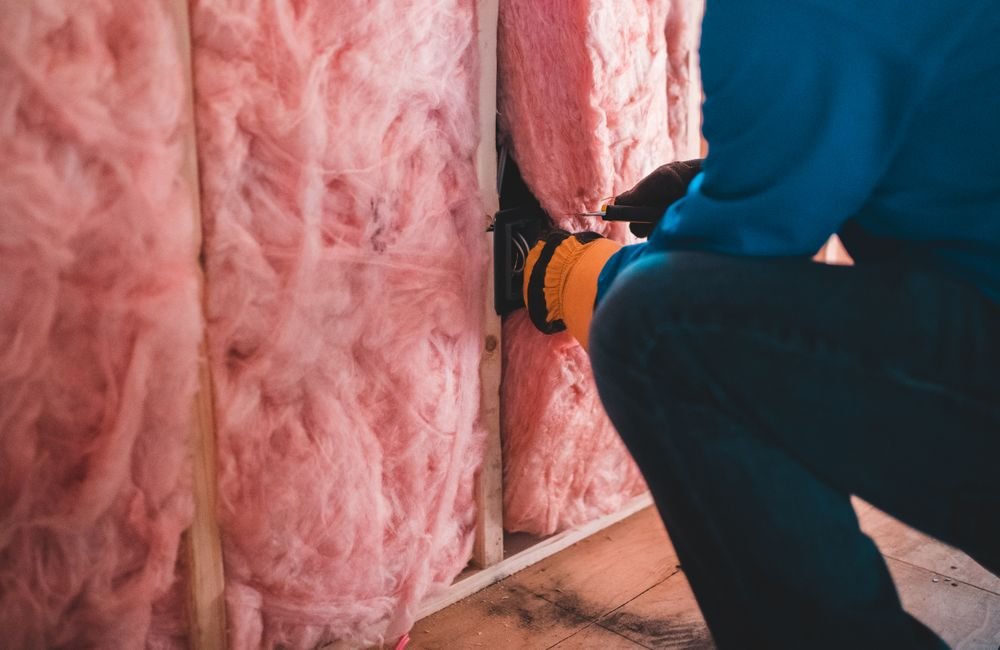
An insulation project usually starts with an assessment of where your home is losing energy — often an attic that’s under-insulated, gaps and leaks around penetrations, and uninsulated ducts or rim joists. Some contractors use a blower-door test to find air leaks.
Air sealing comes first: gaps around wiring, plumbing, chimneys, and top plates are sealed so the new insulation can perform. Then insulation is added to the target R-value — blown-in, batts, or spray foam depending on the area and budget.
Attics, walls, crawl spaces, and basements each call for different materials and methods. A good contractor explains the recommended R-values for your climate and where your dollars will have the most impact.
Insulation types and options
Different materials suit different parts of the home. These are the common choices.
| Type | Best for |
|---|---|
| Blown-in fiberglass / cellulose | Attics, existing walls |
| Fiberglass batts | Walls, floors, accessible framing |
| Spray foam (open / closed cell) | Air sealing, rim joists, tricky spaces |
| Rigid foam board | Basement walls, exterior sheathing |
| Radiant barrier | Hot-climate attics |
| Air sealing | Whole-home leakage reduction |
What drives insulation costs in Nevada
Insulation is usually priced by area and target R-value, so the size of the space and the material drive the cost. Factors include:
- The area being insulated and the R-value you’re targeting.
- Material — blown-in and batts cost less than spray foam.
- Whether old or damaged insulation must be removed first.
- The amount of air sealing and prep the home needs.
- Accessibility of the attic, walls, or crawl space.
- Local labor rates, and any available tax credits or utility rebates.
Southern Nevada demand climbs before summer, and HOA approvals can add time to exterior projects. Use the ranges below as a starting point, then compare itemized quotes for your specific project.
| Project | Typical range |
|---|---|
| Attic air seal & top-up | $1,500–$4,000 |
| Attic remove & replace | $3,000–$7,000 |
| Wall insulation (blown-in) | $1.00–$3.00 / sq ft |
| Spray foam (per area) | $1,500–$6,000+ |
Ranges are general U.S. estimates and are not a quote for your Nevada project.
The insulation process, step by step
The process begins with an assessment — sometimes including a blower-door or energy audit — and a written quote that lists the areas, materials, and target R-values.
The work itself is often completed in a day or two: sealing air leaks, then adding or replacing insulation. Attic and crawl-space work is the most common, and the crew protects living areas and cleans up afterward.
A contractor should confirm the R-values achieved and explain the expected comfort and energy improvements. Ask about workmanship warranties and which federal tax credits or utility rebates you can claim.
Weather and timing for insulation in Nevada
Nevada sees extreme summer heat and intense UV in the south, very low humidity, monsoon storms, and cold, snowy winters in the north and at elevation. Spring and fall suit most of the populated low-desert areas; timing shifts with elevation in the north.
Because conditions here are specific, it helps to work with contractors who install in Nevada regularly and can point to the materials and methods that hold up locally. Requesting several quotes lets you compare not just price, but how each contractor plans for Nevada’s climate.
Compare Insulation quotes in Nevada
Answer a few questions and request up to 5 no-obligation quotes from independent contractors.
Frequently asked questions
How does Nevada’s climate affect a insulation upgrade?
In the desert, insulation and air sealing are mostly about keeping intense summer heat out and reducing cooling bills. Comparing quotes from contractors who work in Nevada every day is a dependable way to match the right approach to local conditions.
Do I need a permit for insulation in Nevada?
Most projects of this type are permitted through your city or county, and the contractor you hire typically pulls it as part of the job. Master-planned communities are common, especially around Las Vegas, so HOA architectural rules are widespread.
When is the best time of year for insulation in Nevada?
Spring and fall suit most of the populated low-desert areas; timing shifts with elevation in the north. Requesting quotes a few weeks ahead helps you compare availability and lock in a schedule that works for you.
Where should I add insulation first?
The attic is usually the highest-impact and most cost-effective place to start, followed by air sealing. A contractor can identify where your home is losing the most energy and recommend a priority order.
How much can insulation lower my energy bills?
Savings vary with your climate, current insulation, and energy use, but attic insulation and air sealing are among the more reliable efficiency upgrades. An assessment gives a realistic estimate for your home.
Are there rebates for insulation?
Frequently, yes. Federal tax credits and many utility programs support insulation and air sealing. A contractor can point you to current programs, and eligibility depends on the work and your location.
Choosing an insulation contractor in Nevada
The right insulation contractor in Nevada is about more than price. Comparing several quotes helps you weigh scope, materials, and timeline — and you are never obligated to hire anyone.
- Request quotes from several insulation contractors in Nevada so you can compare price and scope side by side.
- Confirm each contractor’s licensing and insurance yourself before you hire — HomeMatchr does not verify this for you.
- Ask for an itemized quote covering materials, labor, permits, cleanup, and warranty terms.
- Check that the quote reflects Nevada’s local codes, permit requirements, and climate.
New to hiring a contractor? The FTC’s consumer guide on hiring a contractor is a helpful, unbiased place to start.
Insulation in other locations
- Insulation in Phoenix, AZ
- Insulation in Houston, TX
- Insulation in Dallas, TX
- Insulation in Atlanta, GA
- Insulation in Tampa, FL
- Insulation in Denver, CO
- Insulation in Columbus, OH
- Insulation in Portland, OR
- Insulation in Seattle, WA
- Insulation in Minneapolis, MN
- Insulation in Orlando, FL
- Insulation in Sacramento, CA
- Insulation in Boston, MA
- Insulation in Washington, DC
- Insulation in Oklahoma City, OK
- Insulation in Austin, TX
- Insulation in Tucson, AZ
- Insulation in Charlotte, NC
- Insulation in Raleigh, NC
- Insulation in Philadelphia, PA
- Insulation in Pittsburgh, PA
- Insulation in Cleveland, OH
- Insulation in Cincinnati, OH
- Insulation in Milwaukee, WI
- Insulation in San Antonio, TX
- Insulation in Fort Worth, TX
- Insulation in Chicago, IL
- Insulation in Los Angeles, CA
- Insulation in San Diego, CA
- Insulation in Miami, FL
- Insulation in Las Vegas, NV
- Insulation in Nashville, TN
- Insulation in Kansas City, MO
- Insulation in Arizona
- Insulation in Texas
- Insulation in Florida
- Insulation in Georgia
- Insulation in Colorado
- Insulation in Ohio
- Insulation in Oregon
- Insulation in Washington State
- Insulation in Minnesota
- Insulation in California
- Insulation in Massachusetts
- Insulation in Oklahoma
- Insulation in North Carolina
- Insulation in Pennsylvania
- Insulation in Wisconsin
- Insulation in Illinois
- Insulation in Tennessee
- Insulation in Missouri
Other home services in Nevada
Planning more than one project? Compare other home services in Nevada:
HomeMatchr is an advertising-supported referral service, not a contractor or installer. We connect you with independent contractors and may receive a referral fee. Always confirm a contractor’s licensing and insurance before you hire.
Big home plans?
Start with the right match.
A new project begins with a useful next step.
Explore your options on your terms.