EV Charger in California
Compare no-obligation ev charger quotes from independent contractors who work on California homes.
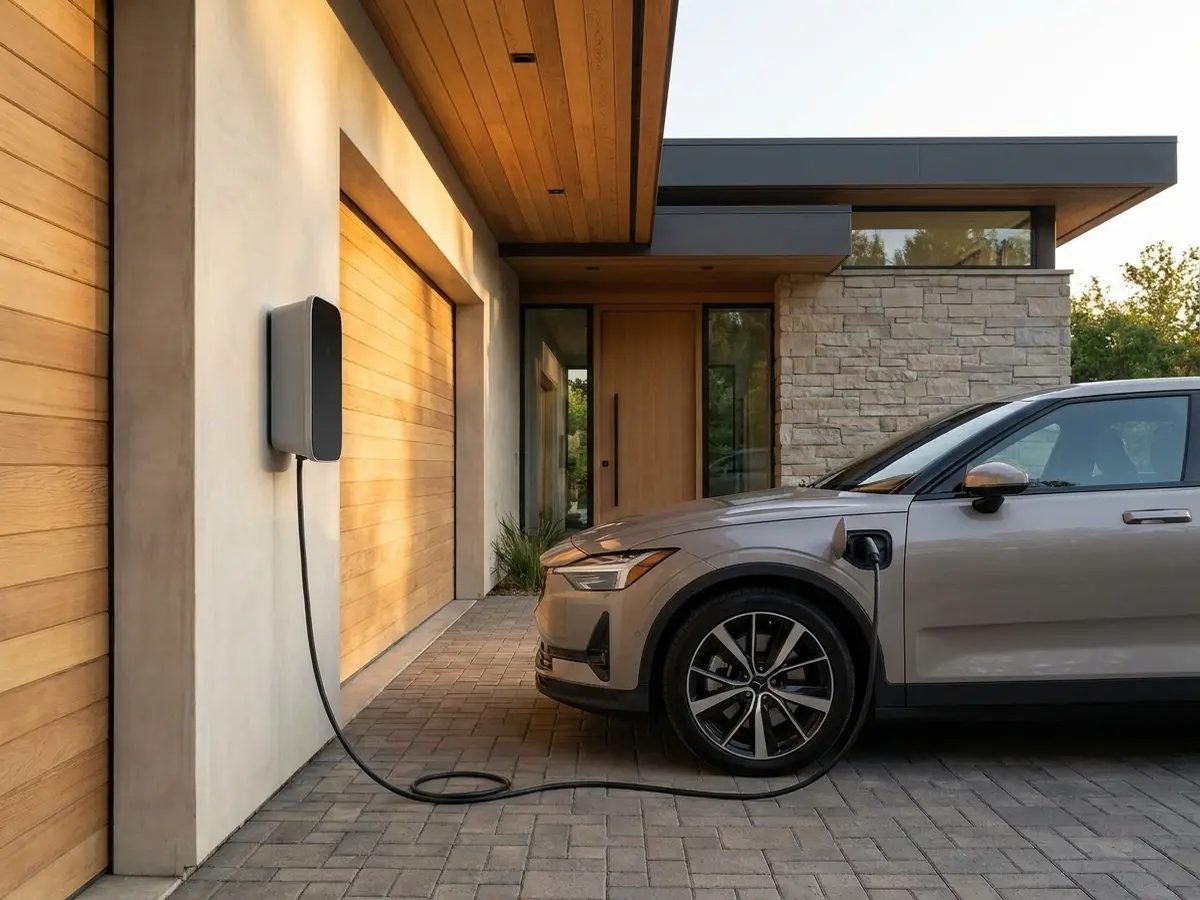
California homeowners face hot, dry summers and mild winters across much of the state, coastal fog near the shore, and wildfire and drought exposure — conditions that shape how a home EV charger should be specified and installed. California’s high EV ownership and utility rebates make home Level 2 charging popular, with panel capacity the main question.
EV Charger in California: what to know
A Level 2 home EV charger installs a 240-volt circuit — similar to an electric dryer or range — so you can charge an electric vehicle far faster than a standard outlet. The main considerations are your electrical panel’s capacity and the distance from the panel to where you park. In California, permits are typically handled through your city or county. California has strong statewide building and energy codes (Title 24), and HOAs are widespread.
What EV charger work involves
Installation starts with an electrician assessing your electrical panel to confirm it has enough capacity and an open slot for a 240-volt circuit. If the panel is full or undersized, an upgrade or a load-management device may be needed.
The electrician runs a dedicated 240-volt circuit from the panel to the charging location, mounts the charger (hardwired or on a 240V outlet), and installs the appropriate breaker. Runs across a garage are straightforward; longer or outdoor runs take more labor.
Most installs are permitted and inspected, and many utilities offer rebates for Level 2 chargers or off-peak charging. A licensed electrician typically handles the permit and can advise on available incentives.
Home charging options
Most homeowners install Level 2 charging for practical daily use. Here’s how the choices compare.
| Option | Notes |
|---|---|
| Level 1 (standard outlet) | Slowest; no install, but limited daily range |
| Level 2 hardwired | Faster, permanent, weather-rated for outdoors |
| Level 2 plug-in (NEMA 14-50) | Flexible; uses a 240V outlet |
| Smart charger | App control, scheduling, off-peak charging |
| Panel upgrade / load manager | Needed when panel capacity is limited |
Estimates only — not a quote. These are national ranges compiled from public sources and industry data. They are not an offer of price and are not guaranteed. Your actual cost depends on your project, location, materials, permits and the contractor you choose. HomeMatchr does not set prices or perform work. See our full disclaimer.
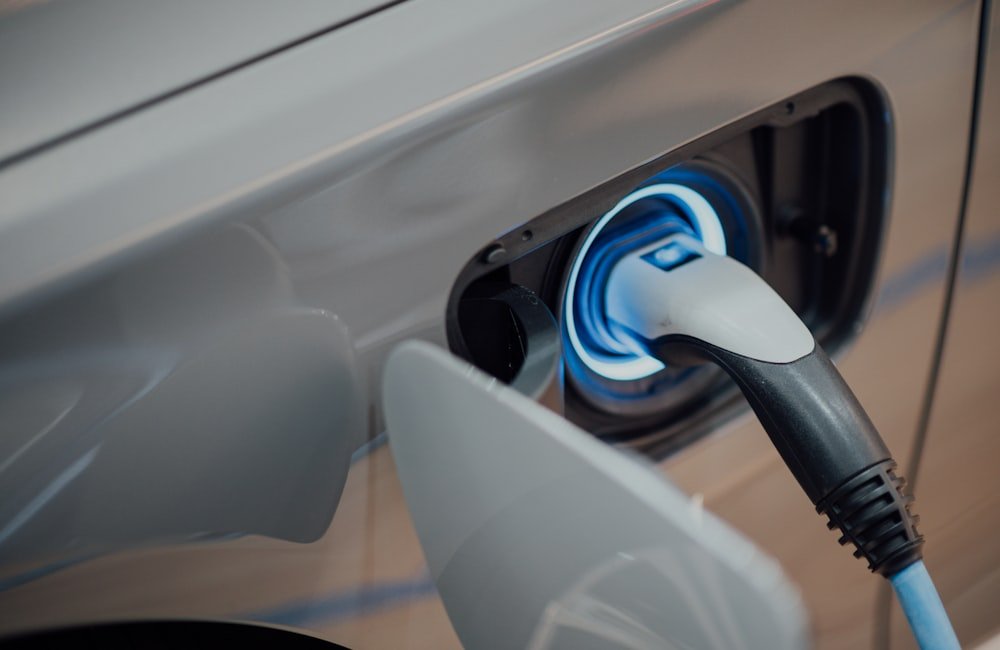
What drives EV charger costs in California
The charger itself is often the smaller part of the cost — the electrical work drives the total. Factors include:
- Distance from your electrical panel to the parking spot.
- Whether your panel has spare capacity or needs an upgrade.
- Hardwired versus plug-in installation and indoor versus outdoor location.
- The charger model and smart features you choose.
- Local permits, inspection, and electrician labor rates.
- Available utility or state rebates, which can offset the cost.
California labor, permitting, and code requirements tend to run above the national average. Use the ranges below as a starting point, then compare itemized quotes for your specific project.
| Project | Typical range |
|---|---|
| Charger hardware | $400–$800 |
| Basic install (near panel) | $300–$800 |
| Install with longer run | $800–$2,000 |
| Panel upgrade (if needed) | $1,500–$4,000 |
Estimates only — not a quote. These are national ranges compiled from public sources and industry data. They are not an offer of price and are not guaranteed. Your actual cost depends on your project, location, materials, permits and the contractor you choose. HomeMatchr does not set prices or perform work. See our full disclaimer.
Ranges are general U.S. estimates and are not a quote for your California project.
The EV charger process, step by step
The process starts with an electrician reviewing your panel and parking location, either on-site or from photos, and providing a written quote that separates hardware from labor.
Installation itself is usually completed in a few hours to a day: running the circuit, mounting the charger, and installing the breaker. A panel upgrade, if required, adds time.
After a permit inspection where required, the charger is ready to use. Ask about the equipment warranty, and check whether your utility offers a rebate you can claim after installation.
Weather and timing for EV charger in California
California sees hot, dry summers and mild winters across much of the state, coastal fog near the shore, and wildfire and drought exposure. The long dry season gives wide flexibility for exterior work in most regions.
Because conditions here are specific, it helps to work with contractors who install in California regularly and can point to the materials and methods that hold up locally. Requesting several quotes lets you compare not just price, but how each contractor plans for California’s climate.
Compare EV Charger quotes in California
Answer a few questions and request no-obligation quotes from independent contractors.
Frequently asked questions
How does California’s climate affect a home EV charger?
California’s high EV ownership and utility rebates make home Level 2 charging popular, with panel capacity the main question. Comparing quotes from contractors who work in California every day is a dependable way to match the right approach to local conditions.
Do I need a permit for ev charger in California?
Most projects of this type are permitted through your city or county, and the contractor you hire typically pulls it as part of the job. California has strong statewide building and energy codes (Title 24), and HOAs are widespread.
When is the best time of year for ev charger in California?
The long dry season gives wide flexibility for exterior work in most regions. Requesting quotes a few weeks ahead helps you compare availability and lock in a schedule that works for you.
Can any home get a Level 2 charger?
Most can, but it depends on your electrical panel’s capacity. Homes with older or full panels may need an upgrade or a load-management device, which an electrician can assess before installation.
How long does an EV charger installation take?
A straightforward install near the panel often takes just a few hours. Longer wiring runs, outdoor installs, or a panel upgrade can extend it to a full day or more.
Do I need a permit to install an EV charger?
In most areas, yes — a 240-volt circuit typically requires a permit and inspection. A licensed electrician usually handles this as part of the job and can confirm local requirements.
Choosing an EV charger contractor in California
The right EV charger contractor in California is about more than price. Comparing several quotes helps you weigh scope, materials, and timeline — and you are never obligated to hire anyone.
- Request quotes from several EV charger contractors in California so you can compare price and scope side by side.
- Confirm each contractor’s licensing and insurance yourself before you hire — HomeMatchr does not verify this for you.
- Ask for an itemized quote covering materials, labor, permits, cleanup, and warranty terms.
- Check that the quote reflects California’s local codes, permit requirements, and climate.
New to hiring a contractor? The FTC’s consumer guide on hiring a contractor is a helpful, unbiased place to start.
EV Charger in other locations
- EV Charger in Phoenix, AZ
- EV Charger in Houston, TX
- EV Charger in Dallas, TX
- EV Charger in Atlanta, GA
- EV Charger in Tampa, FL
- EV Charger in Denver, CO
- EV Charger in Columbus, OH
- EV Charger in Portland, OR
- EV Charger in Seattle, WA
- EV Charger in Minneapolis, MN
- EV Charger in Orlando, FL
- EV Charger in Sacramento, CA
- EV Charger in Boston, MA
- EV Charger in Washington, DC
- EV Charger in Oklahoma City, OK
- EV Charger in Austin, TX
- EV Charger in Tucson, AZ
- EV Charger in Arizona
- EV Charger in Texas
- EV Charger in Florida
- EV Charger in Georgia
- EV Charger in Colorado
- EV Charger in Ohio
- EV Charger in Oregon
- EV Charger in Washington State
- EV Charger in Minnesota
- EV Charger in Massachusetts
- EV Charger in Oklahoma
Other home services in California
Planning more than one project? Compare other home services in California:
HomeMatchr is an advertising-supported referral service, not a contractor or installer. We connect you with independent contractors and may receive a referral fee. Always confirm a contractor’s licensing and insurance before you hire.
About tax credits, rebates and incentives. Program rules, amounts and deadlines change and depend on your own eligibility, income and installation year. Nothing here is tax, legal or financial advice, and no credit or rebate is guaranteed. Confirm current rules with a qualified tax professional or the official program before you rely on them.
