Attic Insulation: R-Values, Methods & Cost
Find the right R-value for your climate zone and compare blown-in vs. batt insulation costs before you hire a contractor.
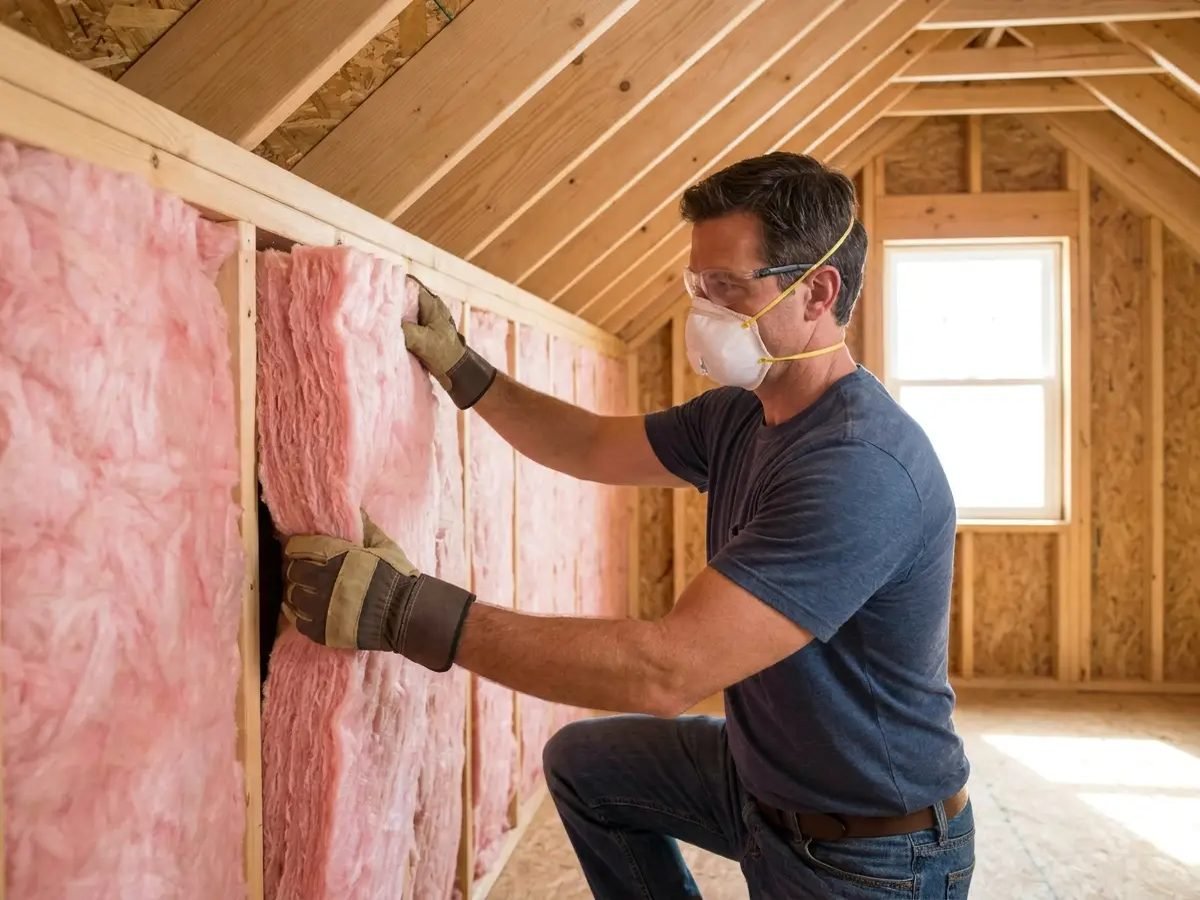
The attic is the single most important place to insulate in most homes. Heat rises, so an under-insulated attic lets warm air escape straight through the roof in winter and lets summer heat bake down into living spaces below. The Department of Energy consistently ranks attic insulation as one of the most cost-effective home energy upgrades available, often paying for itself over a few years through lower heating and cooling bills.
Recommended R-Values by DOE Climate Zone
The Department of Energy divides the U.S. into seven climate zones, with Zone 1 covering the hottest regions (South Florida, South Texas) and Zone 7 covering the coldest (northern Minnesota, interior Alaska). Attic R-value recommendations generally follow this pattern:
| Climate Zone | Recommended Attic R-Value |
|---|---|
| Zone 1 – 2 (Hot: FL, S. TX, S. AZ) | R-30 to R-49 |
| Zone 3 (Warm: GA, N. TX, coastal CA) | R-30 to R-60 |
| Zone 4 (Mixed: VA, TN, OR) | R-38 to R-60 |
| Zone 5 (Cool: OH, PA, IL) | R-49 to R-60 |
| Zone 6 – 7 (Cold: MN, ND, N. ME) | R-49 to R-60 |
Estimates only — not a quote. These are national ranges compiled from public sources and industry data. They are not an offer of price and are not guaranteed. Your actual cost depends on your project, location, materials, permits and the contractor you choose. HomeMatchr does not set prices or perform work. See our full disclaimer.
These are general guidelines — actual recommendations can vary based on your existing attic floor, roof design, and ventilation. A contractor can measure your current R-value and tell you how much additional insulation is needed to reach the target for your zone.
Blown-In Insulation vs. Batts
The two most common methods for attic insulation are blown-in loose-fill and pre-cut batts. Each has advantages depending on your attic’s shape and your budget.
- Blown-in cellulose or fiberglass: Installed with a machine that blows loose fibers evenly across the attic floor, filling gaps around joists, wiring, and irregular framing. This method is often faster for large or oddly shaped attics and tends to leave fewer gaps than batts, since it settles into every nook and corner.
- Fiberglass batts: Pre-cut rolls or panels laid between joists by hand. Batts are usually the lower-cost option and work well in attics with standard joist spacing and few obstructions, but they can leave gaps around vents, wiring, and irregular framing if not installed carefully.
Many contractors recommend blown-in insulation for attics that already have some old, thin insulation, since it can simply be layered on top without removing the existing material (as long as it isn’t damaged, wet, or contaminated).
Attic Insulation Cost
Cost depends on square footage, the R-value you’re targeting, whether old insulation needs removal, and local labor rates. Typical ranges for a standard attic:
| Attic Size | Batts (Installed) | Blown-In (Installed) |
|---|---|---|
| 500 sq ft | $750 – $1,750 | $875 – $1,750 |
| 1,000 sq ft | $1,500 – $3,500 | $1,750 – $3,500 |
| 1,500 sq ft | $2,250 – $5,250 | $2,625 – $5,250 |
| 2,500 sq ft | $3,750 – $8,750 | $4,375 – $8,750 |
Estimates only — not a quote. These are national ranges compiled from public sources and industry data. They are not an offer of price and are not guaranteed. Your actual cost depends on your project, location, materials, permits and the contractor you choose. HomeMatchr does not set prices or perform work. See our full disclaimer.
If your existing insulation is damaged by rodents, water, or mold, removal and disposal typically adds $1,000 to $2,500 before new material can be installed. Adding attic air sealing (caulking and foam around penetrations before insulating) is a smart add-on that improves performance without a large cost increase.
Signs Your Attic Needs More Insulation
- Insulation depth is below the recommended level for your zone, or it looks compressed and thin in spots
- Ice dams forming on the roof edge in winter
- Uneven temperatures between the upstairs and downstairs of the home
- Noticeably higher heating or cooling bills compared to similar-sized homes in your climate zone
- Visible daylight or drafts around the attic hatch or access panel
What to Expect From an Installation
Most attic insulation jobs take a single day for an average-sized home. A contractor will typically inspect the attic, measure current insulation depth, check for air leaks and adequate ventilation (soffit and ridge vents need to stay clear so the roof can breathe), then either lay batts or blow in loose-fill to the target depth. Ask your contractor to document the final installed R-value — this record may be useful later if a federal, state, or utility incentive program applies to your project, and it’s worth keeping regardless.
Attic Ventilation Matters Too
Insulation and ventilation work together, not against each other. Soffit vents at the roof’s edge and ridge or gable vents at the top allow fresh air to flow through the attic, which helps prevent moisture buildup and controls temperature extremes. When adding insulation, make sure soffit vents stay clear — baffles (small channels installed at the eaves) are often used to keep insulation from blocking airflow. Blocking ventilation can lead to trapped moisture, which in turn can cause mold, wood rot, or reduced insulation performance over time, so an experienced contractor will account for this during installation rather than simply piling material to the target depth.
DIY vs. Professional Installation
Basic batt installation in an easily accessible attic is one of the few insulation projects some homeowners attempt themselves, since the material is sold at most home improvement stores and doesn’t require special equipment. However, blown-in insulation requires a rental or contractor-owned blowing machine, and getting even coverage without gaps takes some practice. Professional installation also typically includes an inspection for air leaks, existing moisture damage, and ventilation issues that a DIY job might miss — problems that can undercut the energy savings you’re trying to achieve. For most homeowners, the cost difference between DIY and professional blown-in installation is modest enough that hiring a contractor is the more reliable choice, especially when factoring in equipment rental costs.
Request Attic Insulation Quotes
Attic insulation pricing varies significantly by contractor, and requesting more than one quote is a straightforward way to compare options. HomeMatchr connects homeowners with no-obligation quotes from independent insulation contractors — enter your ZIP code to get started and compare pricing side by side.
Frequently asked questions
What R-value should my attic insulation be?
It depends on your DOE climate zone, ranging from about R-30 in the warmest southern zones to R-60 in the coldest northern zones. A contractor can confirm the exact target based on your attic’s construction.
Is blown-in insulation better than batts for attics?
Blown-in insulation generally fills gaps and irregular spaces more completely, which can make it a better choice for older attics or those with uneven joist spacing. Batts are usually less expensive and work fine in attics with standard framing and few obstructions.
Can I install new insulation over old attic insulation?
In most cases, yes, as long as the existing insulation is dry, clean, and undamaged. Blown-in insulation is especially well suited to layering over old material. If the old insulation is wet, moldy, or has pest damage, it should be removed first.
How much does it cost to insulate a 1,000 sq ft attic?
Typical installed cost ranges from about $1,500 to $3,500 depending on material (batts vs. blown-in), target R-value, and local labor rates.
How long does attic insulation take to install?
Most standard-sized attics can be insulated in a single day. Larger homes, or jobs that require removing old insulation first, may take one to two days.
About tax credits, rebates and incentives. Program rules, amounts and deadlines change and depend on your own eligibility, income and installation year. Nothing here is tax, legal or financial advice, and no credit or rebate is guaranteed. Confirm current rules with a qualified tax professional or the official program before you rely on them.
Compare Insulation quotes
Enter your ZIP code to request no-obligation quotes from independent contractors.
HomeMatchr is an advertising-supported service and may receive a referral fee when you connect with a service provider.
