Wall Insulation for Existing Homes
See how injection foam and blown-in insulation upgrade uninsulated walls without demolition, plus what it costs.
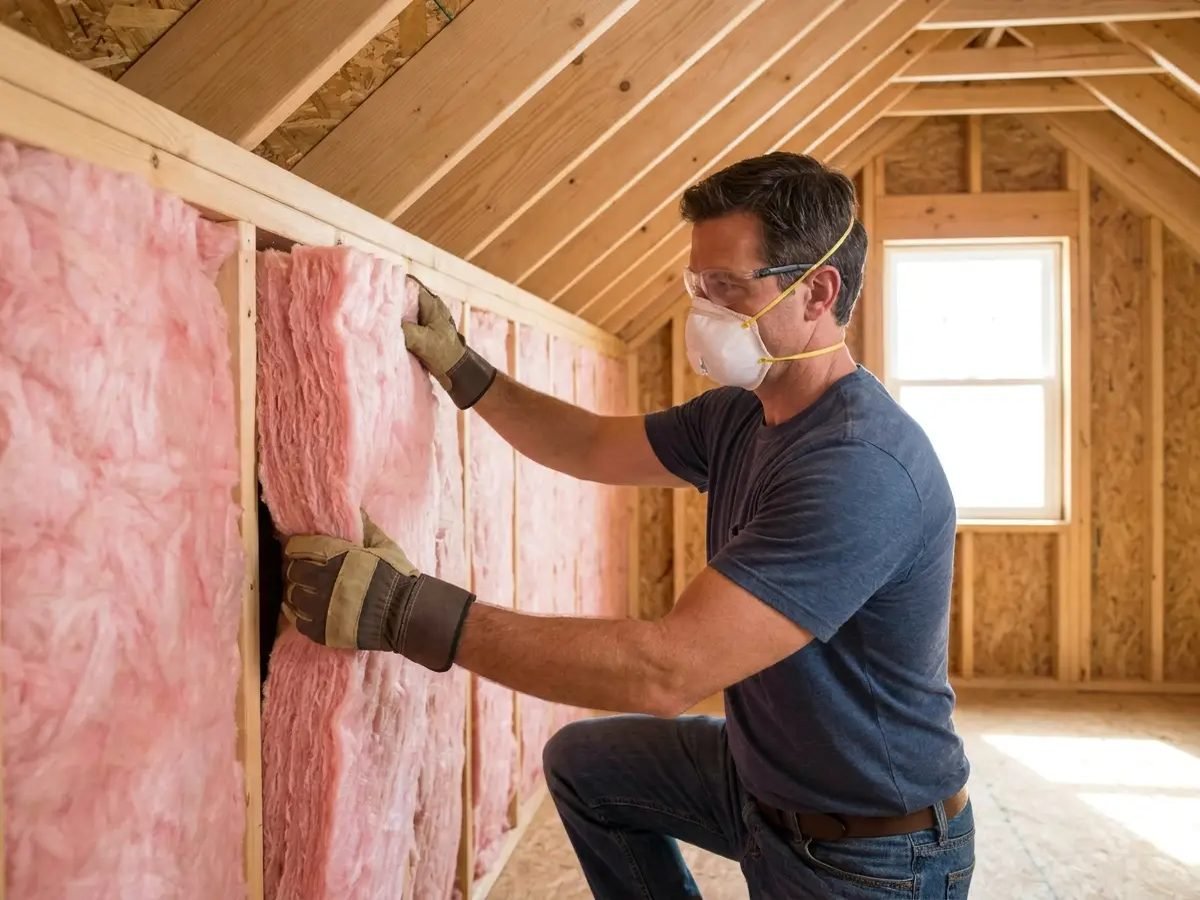
Walls are one of the largest surface areas in a home, and in older houses they’re often only partially insulated or not insulated at all. Unlike new construction, where insulation is installed before drywall goes up, existing homes need methods that work through small access points without tearing walls apart. Wall insulation upgrades can noticeably improve comfort and reduce energy bills, especially in homes built before the 1980s, when insulation standards were far less strict.
Why Existing Walls Are Often Under-Insulated
Many homes built several decades ago have empty or minimally filled wall cavities, since insulation requirements have tightened significantly over time. Even homes with some wall insulation may have settled, compressed, or gapped material that no longer performs as well as it did when installed. Signs of under-insulated walls include exterior walls that feel noticeably cold in winter or warm in summer, drafts near outlets and switches, and higher-than-expected heating and cooling bills relative to home size.
How Injection Foam Insulation Works
Injection foam is one of the most common ways to insulate existing walls without opening them up. A contractor drills small access holes (typically about the size of a coin) into the exterior wall, often between each wall stud bay, then injects a foam or foam-like material that expands to fill the cavity. Once cured, the holes are patched and the exterior siding is restored to match. This method works well for wood siding, stucco, and other exteriors where small patch holes can be concealed, and it doesn’t require removing interior drywall.
How Blown-In Wall Insulation Works
Blown-in cellulose or fiberglass can also be installed into closed wall cavities using a similar drill-and-fill approach, with a machine blowing loose fill material into each stud bay through small holes. Blown-in material settles into gaps around wiring and blocking reasonably well, though it can settle slightly over time compared to foam, which stays in place once cured. Both injection foam and blown-in insulation are typically installed from the exterior, minimizing disruption to the interior of the home.
When Walls Are Opened During Renovation
If you’re already doing a renovation that involves removing drywall — such as a kitchen remodel, room addition, or replacing damaged wall sections — this is the ideal time to insulate with traditional fiberglass batts or spray foam, since the cavity is fully open and accessible. This approach typically costs less per square foot than injection methods precisely because there’s no need to drill and patch, but it only makes financial sense when the walls are open for other reasons.
Wall Insulation Cost
Cost depends on the method, wall square footage, exterior material, and whether any patching or repainting is needed afterward.
| Method | Cost per Sq. Ft. | Avg. Home (1,500 sq ft of wall) |
|---|---|---|
| Injection foam | $2.00 – $5.50 | $3,000 – $8,250 |
| Blown-in cellulose/fiberglass | $1.75 – $3.75 | $2,625 – $5,625 |
| Batts (open-wall renovation) | $1.50 – $3.50 | $2,250 – $5,250 |
| Spray foam (open-wall renovation) | $1.50 – $7.50 | $2,250 – $11,250 |
Estimates only — not a quote. These are national ranges compiled from public sources and industry data. They are not an offer of price and are not guaranteed. Your actual cost depends on your project, location, materials, permits and the contractor you choose. HomeMatchr does not set prices or perform work. See our full disclaimer.
Exterior patching and touch-up (matching siding, stucco, or brick around access holes) is often included in injection foam quotes but is worth confirming upfront, since mismatched patches can be a cosmetic downside on certain exterior materials like stucco or brick veneer.
Recommended R-Value for Walls
Wall R-value recommendations generally range from about R-13 to R-21 depending on your climate zone and the depth of the wall cavity (standard 2×4 walls have less room than 2×6 construction). Because existing wall cavities are a fixed size, the achievable R-value in a retrofit is somewhat limited by how much material can physically fit — a contractor can tell you what’s realistic for your wall type once they assess your home.
Choosing the Right Method for Your Home
- Injection foam works well for a wide range of exterior materials and offers strong air-sealing performance
- Blown-in insulation is often a lower-cost option and works well for straightforward, unobstructed wall cavities
- Open-wall installation during a renovation is the most cost-effective per square foot, but only applies when walls are already exposed
- Ask contractors to inspect your specific exterior (vinyl, wood, brick, stucco) since some materials are easier to drill and patch invisibly than others
Timing Your Wall Insulation Project
Because injection and blown-in methods work from the exterior, wall insulation projects can typically be scheduled independent of interior renovations, weather permitting. Many contractors recommend pairing a wall insulation upgrade with other exterior work, such as siding repairs or repainting, since scaffolding or ladder access is already in place and any patch marks can be blended in during the same visit.
Request Wall Insulation Quotes
Wall insulation pricing varies more than other insulation types because of the different methods and exterior materials involved, which makes comparing quotes especially useful. HomeMatchr connects homeowners with no-obligation quotes from independent insulation contractors — enter your ZIP code to compare what contractors recommend and quote for your walls.
Frequently asked questions
Can walls be insulated without removing drywall?
Yes. Injection foam and blown-in insulation are both installed through small access holes drilled from the exterior, filling the wall cavity without disturbing interior drywall or finishes.
How much does it cost to insulate existing walls?
Injection foam typically costs $2.00 to $5.50 per square foot, while blown-in cellulose or fiberglass runs $1.75 to $3.75 per square foot. A typical home might spend $2,600 to $8,250 total depending on method and wall area.
Will drilling holes for insulation damage my siding?
Contractors drill small, coin-sized access holes and patch them afterward to match the surrounding exterior. Vinyl and wood siding are generally easy to patch invisibly; stucco and brick can be slightly more noticeable, so it’s worth asking your contractor about expected results for your exterior material.
What R-value can I expect from wall insulation?
Wall R-value depends on cavity depth and climate zone, generally ranging from about R-13 to R-21. Because retrofit wall cavities have a fixed size, the achievable R-value is somewhat limited compared to open, new-construction walls.
Is it better to insulate walls now or wait for a renovation?
If you’re already planning a renovation that opens up walls, that’s the most cost-effective time to add batt or spray foam insulation. If no renovation is planned, injection foam or blown-in insulation lets you upgrade existing walls now without waiting.
Compare Insulation quotes
Enter your ZIP code to request no-obligation quotes from independent contractors.
HomeMatchr is an advertising-supported service and may receive a referral fee when you connect with a service provider.
