Energy-Efficient Windows: Ratings, Cost & Tax Credit
U-factor, ENERGY STAR, and the Section 25C tax credit, explained in plain terms.
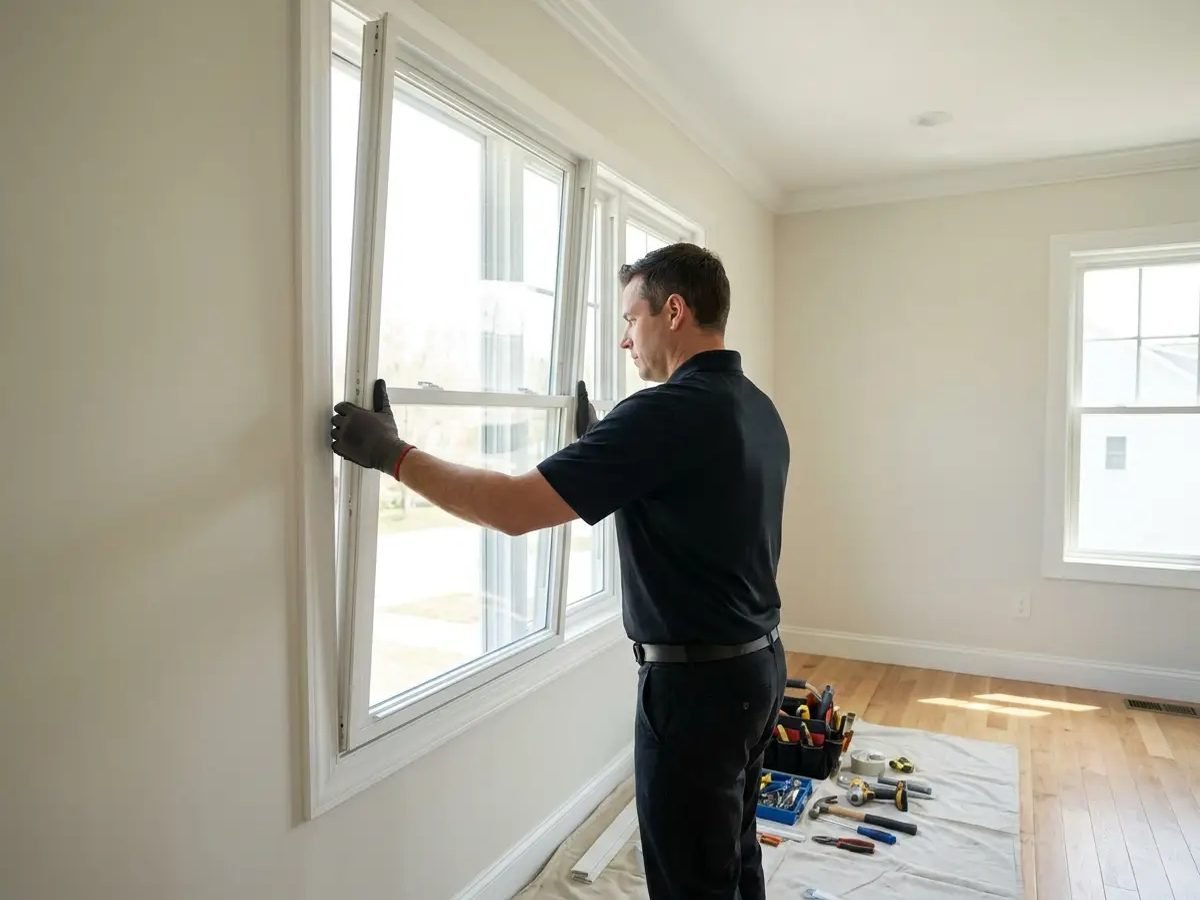
Windows are one of the biggest sources of heat gain and heat loss in a typical home, which makes energy-efficient windows one of the more meaningful upgrades for comfort and long-term utility costs. This guide explains what actually makes a window energy efficient, how to read the ratings on the label, and how the federal 25C tax credit applies to window purchases.
What Makes a Window Energy Efficient?
Energy performance comes down to a combination of the glass, the frame, and how well the unit is sealed and installed. Most energy-efficient windows use double- or triple-pane glass with a low-emissivity (low-E) coating, a microscopically thin metallic layer that reflects heat while still allowing visible light through. The space between panes is typically filled with argon or krypton gas, which conducts heat more slowly than plain air. Frame material and construction also matter: multi-chambered vinyl, fiberglass, and wood-clad frames all insulate better than a thin single-wall frame, and warm-edge spacers between panes reduce heat transfer at the glass edge, where older windows often lose the most energy.
Understanding U-Factor and Other Ratings
The National Fenestration Rating Council (NFRC) label found on most new windows lists several performance numbers that are worth understanding before you buy.
- U-factor: Measures how well a window prevents heat from escaping. Lower numbers mean better insulation; a U-factor of 0.30 or lower is common for energy-efficient windows in colder climates.
- Solar Heat Gain Coefficient (SHGC): Measures how much solar heat passes through the glass. Lower SHGC values are typically preferred in hot climates to reduce cooling load, while higher values can help with passive heating in colder climates.
- Visible Transmittance (VT): Measures how much natural light passes through the glass. Higher VT means more daylight, which some homeowners weigh against SHGC when balancing light and heat.
- Air Leakage (AL): Measures how much air passes through the window assembly. Lower numbers indicate a tighter seal against drafts.
ENERGY STAR certification is based on regional climate zones, so a window certified for the Northern zone may not carry the same certification in the Southern zone, since the ideal U-factor and SHGC balance differs by climate.
Cost of Energy-Efficient Windows
Higher-performance glass packages and frame upgrades add to the base price of a window, but the added cost is often modest compared to the base unit price.
| Upgrade | Typical Added Cost (Per Window) |
|---|---|
| Low-E coating (standard double-pane) | Often included as standard on new windows |
| Argon gas fill | $20 – $50 |
| Triple-pane glass upgrade | $100 – $350 |
| ENERGY STAR certified package | $50 – $200 over a non-certified equivalent |
Estimates only — not a quote. These are national ranges compiled from public sources and industry data. They are not an offer of price and are not guaranteed. Your actual cost depends on your project, location, materials, permits and the contractor you choose. HomeMatchr does not set prices or perform work. See our full disclaimer.
A full ENERGY STAR certified window, installed, typically falls in the same overall range as standard replacement windows discussed elsewhere on this site, generally $300 to $2,500 depending on frame material, since certification is achieved through glass and frame combinations rather than an entirely separate product line.
The Energy Efficient Home Improvement Credit (Section 25C)
Under Section 25C of the federal tax code, homeowners who install eligible exterior windows and skylights in their primary residence may be able to claim 30% of the cost of the windows themselves (not installation labor), up to an annual cap for windows specifically, when they file federal taxes. To be eligible, windows generally need to meet ENERGY STAR Most Efficient criteria or the applicable ENERGY STAR requirements for the home’s climate zone. Because tax rules, caps, and eligibility criteria can change and vary by filing situation, confirm current-year requirements and documentation with a tax professional or the IRS before assuming a specific credit amount, and keep the manufacturer’s certification statement for your records.
Other Ways Efficient Windows Pay Off
Beyond any tax credit, energy-efficient windows reduce strain on a home’s heating and cooling system by minimizing the temperature swings near exterior walls, which can translate into a more consistent indoor temperature and less work for the furnace or air conditioner. Low-E coatings also block a significant portion of UV rays, which helps reduce fading in flooring, furniture, and artwork near windows. Multi-pane, gas-filled glass also tends to reduce outside noise transmission compared to older single-pane windows, which can be a meaningful quality-of-life improvement on busy streets.
Choosing an Efficient Window for Your Climate
The “best” performance numbers depend on where you live. In hot southern climates, prioritizing a low SHGC helps keep cooling costs down, while in cold northern climates, a low U-factor matters more for retaining indoor heat, and a moderate-to-higher SHGC can help capture passive solar warmth in winter. A contractor experienced with your climate zone can recommend the right glass package and frame combination, and can confirm whether a specific product line meets ENERGY STAR certification requirements in your area before you commit.
Comparing Options
Because energy performance is influenced by frame material, glass package, and installation quality together, it’s worth requesting quotes from a few independent contractors and asking each one to specify the U-factor, SHGC, and ENERGY STAR status of the exact product they’re proposing, rather than comparing on price alone.
Frequently asked questions
What is U-factor and why does it matter?
U-factor measures how well a window prevents heat from escaping. Lower numbers mean better insulation; a U-factor of 0.30 or lower is common for energy-efficient windows in colder climates.
Are energy-efficient windows eligible for a tax credit?
Windows that meet ENERGY STAR Most Efficient or applicable climate-zone criteria may be eligible for the Section 25C Energy Efficient Home Improvement Credit, which can cover 30% of the window cost up to an annual cap. Confirm current-year rules with a tax professional.
How much more do ENERGY STAR windows cost?
Upgrading to an ENERGY STAR certified glass package typically adds roughly $50 to $200 per window over a non-certified equivalent, since certification is usually achieved through glass and frame combinations rather than a separate product line.
What is SHGC and how is it different from U-factor?
Solar Heat Gain Coefficient (SHGC) measures how much solar heat passes through the glass, while U-factor measures how well the window resists heat loss overall. Hot climates generally benefit from a lower SHGC; cold climates often balance a low U-factor with a moderate SHGC.
Does window replacement labor count toward the 25C credit?
Generally, the credit applies to the cost of the windows themselves rather than installation labor. Requirements can change, so confirm current-year details with a tax professional or the IRS before filing.
About tax credits, rebates and incentives. Program rules, amounts and deadlines change and depend on your own eligibility, income and installation year. Nothing here is tax, legal or financial advice, and no credit or rebate is guaranteed. Confirm current rules with a qualified tax professional or the official program before you rely on them.
Compare Replacement Windows quotes
Enter your ZIP code to request no-obligation quotes from independent contractors.
HomeMatchr is an advertising-supported service and may receive a referral fee when you connect with a service provider.
