Double-Hung Windows: Features & Cost Guide
How double-hung windows work, what they cost, and how they compare to other styles.
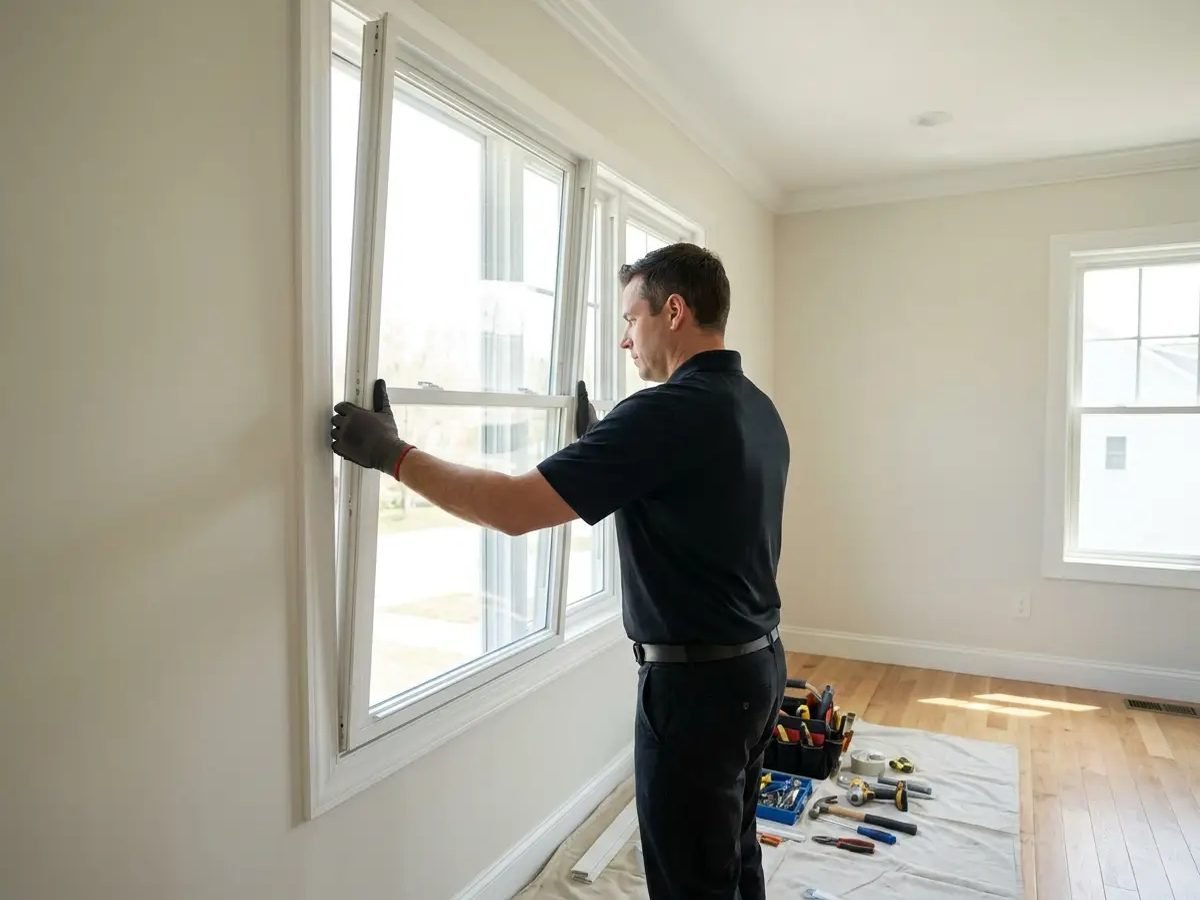
Double-hung windows are one of the most widely installed window styles in American homes, recognizable by their two vertically sliding sashes. This guide covers how they work, what they cost, and how they compare to single-hung and casement windows so you can decide whether they’re the right fit for your project.
What Is a Double-Hung Window?
A double-hung window has two sashes, one on top and one on bottom, that both slide vertically within the frame. In most modern double-hung windows, both sashes also tilt inward, which allows the exterior glass to be cleaned from inside the home without a ladder. Because either sash can be opened, double-hung windows offer flexible ventilation: opening the bottom sash lets in cooler air near the floor, while cracking the top sash lets warm air escape near the ceiling, a natural convection effect that can help with airflow on mild days.
Key Features of Double-Hung Windows
- Two operable sashes: Both the top and bottom sash slide independently, unlike single-hung windows where only the bottom moves.
- Tilt-in cleaning: Most modern double-hung windows tilt inward on hinges, making exterior glass accessible from inside for cleaning.
- Balance system: Spring or spiral balances hold each sash in place at any height without the window sliding shut on its own, replacing the older sash-cord-and-weight system found in historic wood windows.
- Screen compatibility: A single exterior screen typically covers the full window opening since only vertical (not outward) motion is involved.
- Traditional appearance: The look pairs naturally with Colonial, Cape Cod, Craftsman, and many other traditional American architectural styles, which is part of why it remains so common.
Double-Hung Window Cost
Pricing depends primarily on frame material, with glass package and size as secondary factors.
| Frame Material | Typical Cost Range (Installed) |
|---|---|
| Vinyl | $300 – $900 |
| Aluminum | $400 – $1,000 |
| Fiberglass | $650 – $1,600 |
| Wood | $850 – $2,200 |
| Wood-clad | $950 – $2,600 |
Estimates only — not a quote. These are national ranges compiled from public sources and industry data. They are not an offer of price and are not guaranteed. Your actual cost depends on your project, location, materials, permits and the contractor you choose. HomeMatchr does not set prices or perform work. See our full disclaimer.
A whole-house replacement using double-hung windows generally lands in a similar range to other operable styles, since the sash mechanism itself adds only modestly to the base window price compared to frame material and glass choices.
Double-Hung vs. Single-Hung Windows
Single-hung windows look nearly identical from the outside but only the bottom sash moves, while the top sash is fixed in place. Single-hung windows are typically less expensive, since they use a simpler balance mechanism, and they tend to seal slightly tighter because there’s one less moving joint. Double-hung windows cost somewhat more but offer more flexible ventilation and easier cleaning, since both sashes usually tilt in on a double-hung unit, while many single-hung windows only allow the movable bottom sash to tilt.
Double-Hung vs. Casement Windows
Casement windows are hinged on the side and open outward with a crank rather than sliding vertically. Because a casement sash closes by pressing directly against the frame’s weatherstripping, it generally seals more tightly against drafts than a double-hung window, which relies on friction and a track system between sashes. Casement windows also catch passing breezes and funnel them indoors when open, which double-hung windows don’t do. On the other hand, double-hung windows don’t project outward when open, which matters near walkways, patios, or window air-conditioning units, and many homeowners prefer their traditional look, especially on older or historic-style homes. Cost is fairly comparable between the two styles in the same frame material, with casement windows sometimes running slightly higher due to the crank hardware.
Maintenance and Longevity
Double-hung windows have more moving parts than fixed or casement styles, including two sashes, balance mechanisms, and tilt-latches, which means there’s slightly more that can eventually wear out, such as a failed balance spring or worn weatherstripping. Routine maintenance is straightforward: periodically clean the tracks of dirt and debris so sashes slide smoothly, check that tilt-latches engage fully, and inspect weatherstripping for gaps every year or two. With reasonable upkeep, vinyl and fiberglass double-hung windows commonly last 20 to 30 years, while well-maintained wood units can last considerably longer, especially with periodic repainting or resealing.
Is a Double-Hung Window Right for Your Project?
Double-hung windows tend to be a strong default choice for most rooms in most home styles, particularly where matching a traditional look matters or where a window air conditioner may need to sit in the lower sash. They’re less ideal in spots where maximum draft resistance is the top priority, such as a very exposed, wind-driven wall, where a casement window may perform better. A contractor can walk through your home’s specific openings and recommend where double-hung makes sense and where another style might serve you better.
Comparing Contractor Quotes
Because double-hung windows vary in quality by manufacturer, balance system, and glass package, it’s worth requesting quotes from a few independent contractors and asking each one to specify the exact brand, model, and glass package included, so you can compare true equivalents rather than a single price per opening.
Frequently asked questions
What is the difference between double-hung and single-hung windows?
Both sashes move in a double-hung window, while only the bottom sash moves in a single-hung window. Double-hung windows typically cost a bit more but offer more ventilation flexibility and easier interior cleaning.
How much do double-hung windows cost?
Double-hung windows typically cost $300 to $900 installed in vinyl, and $850 to $2,600 in wood or wood-clad frames, depending on glass package and size.
Are double-hung windows energy efficient?
Double-hung windows can perform well with a quality glass package and frame construction, though they generally seal slightly less tightly than casement windows since the sash relies on a track and friction system rather than compressing against weatherstripping.
How long do double-hung windows last?
With reasonable maintenance, vinyl and fiberglass double-hung windows commonly last 20 to 30 years, while well-maintained wood units can last longer with periodic repainting or resealing.
Can you put an air conditioner in a double-hung window?
Yes. The movable bottom sash on a double-hung window makes it a common and practical spot for a window air conditioning unit, which is one reason the style remains popular in bedrooms and living spaces.
Compare Replacement Windows quotes
Enter your ZIP code to request no-obligation quotes from independent contractors.
HomeMatchr is an advertising-supported service and may receive a referral fee when you connect with a service provider.
