Roof Replacement Cost Guide
See what roof replacement typically costs by material and size, then compare no-obligation quotes from independent contractors.
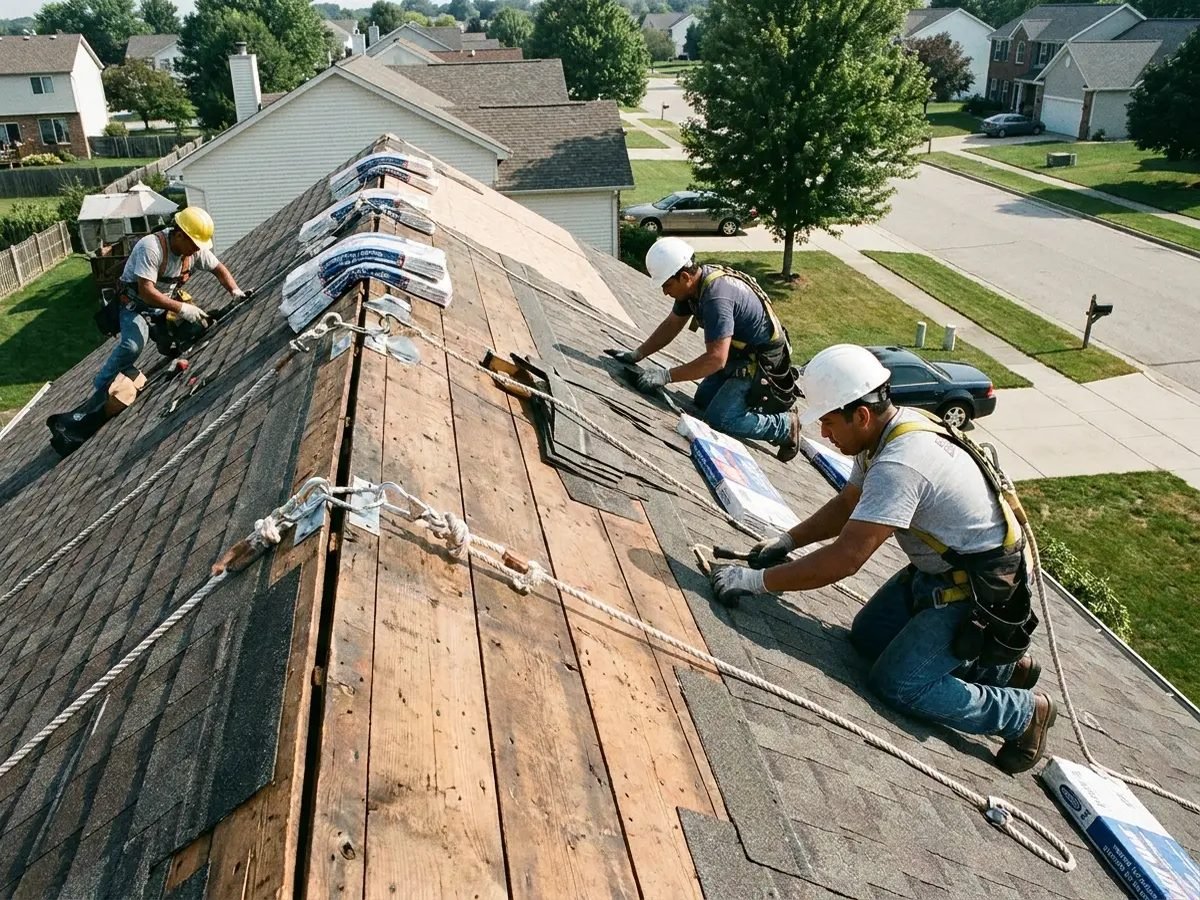
Roof replacement cost depends mainly on two factors: the material chosen and the size of the roof, measured in “squares” (one roofing square equals 100 square feet). From there, roof pitch, complexity, tear-off requirements, and regional labor rates adjust the final number. This guide breaks down 2026 pricing by material and size so homeowners can budget realistically before requesting quotes.
Average Roof Replacement Cost by Material
Material is usually the biggest driver of total project cost. The table below shows typical installed cost per square foot and the resulting price range for an average 1,800 square-foot roof.
| Material | Cost per Sq. Ft. | Typical Total (1,800 sq ft roof) |
|---|---|---|
| Asphalt shingles (3-tab) | $4.00–$6.50 | $7,200–$11,700 |
| Asphalt shingles (architectural) | $5.50–$9.00 | $9,900–$16,200 |
| Metal (standing seam) | $9.00–$16.00 | $16,200–$28,800 |
| Wood shakes | $7.00–$12.00 | $12,600–$21,600 |
| Clay or concrete tile | $10.00–$20.00 | $18,000–$36,000 |
| Slate | $15.00–$30.00+ | $27,000–$54,000+ |
Estimates only — not a quote. These are national ranges compiled from public sources and industry data. They are not an offer of price and are not guaranteed. Your actual cost depends on your project, location, materials, permits and the contractor you choose. HomeMatchr does not set prices or perform work. See our full disclaimer.
Asphalt shingles remain the most common choice because they balance cost, appearance, and a lifespan of 15–30 years. Metal, tile, and slate cost more upfront but can last decades longer, which changes the cost-per-year math over the life of the roof.
Cost by Roof Size
Roofers typically price by the square (100 square feet), and larger roofs benefit from some economy of scale since setup, disposal, and mobilization costs are spread across more area.
| Roof Size | Approx. Squares | Asphalt Shingle Total (Architectural) |
|---|---|---|
| Small (1,000 sq ft) | 10 squares | $5,500–$9,000 |
| Medium (1,800 sq ft) | 18 squares | $9,900–$16,200 |
| Large (2,600 sq ft) | 26 squares | $14,300–$23,400 |
| Extra-large (3,500+ sq ft) | 35+ squares | $19,250–$31,500+ |
Estimates only — not a quote. These are national ranges compiled from public sources and industry data. They are not an offer of price and are not guaranteed. Your actual cost depends on your project, location, materials, permits and the contractor you choose. HomeMatchr does not set prices or perform work. See our full disclaimer.
These figures assume a straightforward gable roof with average pitch. A steep, cut-up roof with multiple valleys and dormers on the same footprint can add 20% or more to the labor portion of the price.
What Affects the Final Price
- Tear-off vs. overlay — removing old shingles down to the decking costs more upfront than layering new shingles over an existing single layer, where local code allows it, but tear-off gives the installer a chance to inspect and repair the decking.
- Decking repair — rotted or water-damaged plywood found under the old roofing typically adds a per-sheet cost that should be itemized in the estimate rather than bundled in as a surprise.
- Roof pitch and access — steep roofs require additional safety equipment and slow down installation, which increases labor cost.
- Flashing and penetrations — chimneys, skylights, vent pipes, and dormers each need new flashing, which adds material and labor time.
- Ventilation upgrades — adding ridge vents, soffit vents, or a powered attic fan during the replacement is a common add-on that affects the roof’s long-term performance.
- Permits and disposal — most municipalities require a permit for a full replacement, and dumpster or disposal fees for the old material are usually itemized separately.
- Region — labor rates, typical wind/snow load requirements, and material availability vary by state and even by metro area.
How Long a Roof Replacement Takes
Timeline affects cost indirectly, since longer projects mean more labor hours and greater exposure to weather delays. A straightforward asphalt shingle tear-off and replacement on an average single-family home typically takes one to three days. Metal roofing, which requires more precise measuring and seaming, often takes three to five days. Tile and slate roofs, given their weight and the care needed during installation, can take a week or longer. Roof complexity, crew size, and seasonal demand — spring and fall tend to be the busiest times for roofing contractors — all affect how quickly a project can be scheduled and completed.
Financing a Roof Replacement
Because a roof replacement is a significant expense, many homeowners look at financing rather than paying the full amount upfront. Common options include contractor-offered payment plans, a home equity loan or line of credit, a personal loan, or, in some cases, a program tied to energy-efficient upgrades. If the roof damage stems from a covered event such as a storm or hail, a homeowners insurance claim may cover some or all of the replacement cost after the deductible, though normal wear and aging typically aren’t covered. When comparing quotes, it’s worth asking each contractor what financing options they offer and whether pricing differs between cash and financed payment, since that can meaningfully change the total cost of the project.
Getting an Accurate Number
General cost ranges are a useful starting point, but the only way to get a number specific to a particular roof is a site visit and a written, itemized estimate. A thorough estimate should separate material, labor, tear-off and disposal, decking repair contingency, permits, and any ventilation work, so it is easy to compare one bid against another. It’s also worth asking each contractor to confirm licensing and insurance directly and to put the manufacturer’s product warranty and any workmanship terms in writing.
HomeMatchr helps homeowners request quotes from independent contractors instead of contacting companies one at a time. Homeowners can submit project details once and compare no-obligation quotes from independent roofing contractors before making a decision. HomeMatchr is an advertising-supported service and may receive a referral fee when a homeowner connects with a provider.
Frequently asked questions
How much does it cost to replace a roof in 2026?
Most homeowners pay between roughly $9,000 and $16,000 for a standard architectural asphalt shingle replacement on an average-size home, with metal, tile, and slate running higher. Roof size, pitch, and material are the biggest factors in the final number.
Is metal roofing worth the extra cost compared to asphalt shingles?
It depends on how long you plan to stay in the home and your budget. Metal roofing typically costs 1.5–2.5 times more than asphalt shingles upfront but can last 40–70 years compared to 15–30 years for asphalt, which lowers the cost per year over time.
Should I tear off the old roof or install over it?
Many local codes allow one layer of overlay in some circumstances, which costs less upfront, but a full tear-off lets the contractor inspect and repair the decking underneath, which can prevent bigger problems later. A contractor can advise which option applies to your roof and local code.
What's included in a typical roof replacement estimate?
A complete estimate should list material and labor separately, tear-off and disposal fees, an allowance for decking repair, permit costs, flashing and ventilation work, and warranty terms. Ask for these items broken out individually so quotes are easier to compare.
How can I compare roof replacement quotes?
Request quotes from independent contractors, then compare them on material specifications, labor scope, warranty terms, and total itemized price rather than the bottom-line number alone. Comparing no-obligation quotes side by side makes it easier to spot what’s included and what isn’t.
Compare Roofing quotes
Enter your ZIP code to request no-obligation quotes from independent contractors.
HomeMatchr is an advertising-supported service and may receive a referral fee when you connect with a service provider.
