Fiber Cement Siding: Cost & Durability Guide
Compare fiber cement siding costs and request no-obligation contractor quotes.
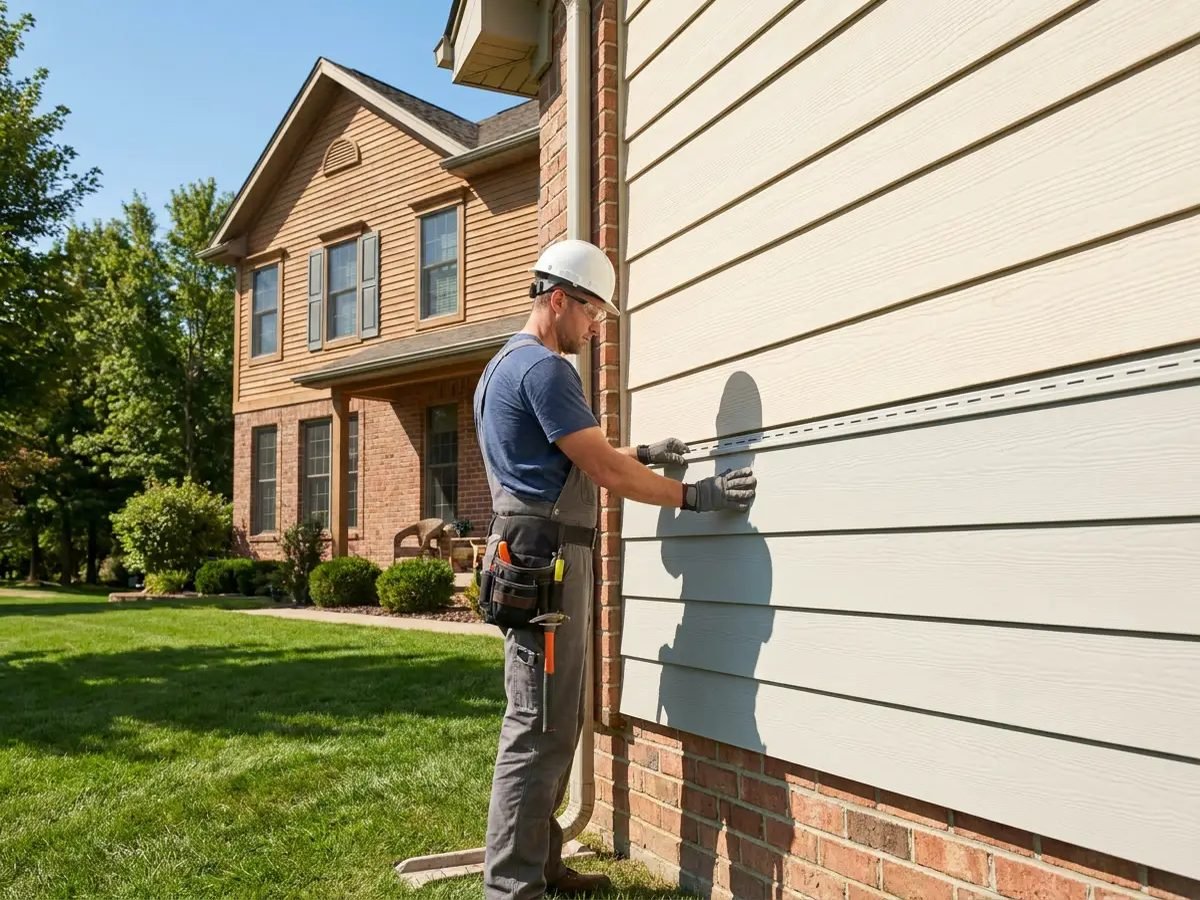
What Is Fiber Cement Siding
Fiber cement siding is a composite exterior cladding made from cement, sand, and cellulose fibers, pressed and cured into planks, panels, or shingles. It was engineered to replicate the look of wood clapboard, shake, or stucco while offering greater resistance to fire, moisture, insects, and impact damage than natural wood. James Hardie is the best-known manufacturer and is often used as a generic term for the category (siding installers frequently refer to the work as “hardie siding”), but other manufacturers including Nichiha, Allura, and Cemplank also produce fiber cement products sold throughout the US.
Fiber Cement Siding Cost
Fiber cement typically costs more than vinyl but less than premium wood or masonry, reflecting its position as a mid-to-upper tier product.
| Fiber Cement Product | Installed Cost (per sq. ft.) |
|---|---|
| Lap/plank siding | $8 – $12 |
| Shingle/shake-style panels | $9 – $14 |
| Vertical board-and-batten | $9 – $13 |
| Pre-finished (factory ColorPlus-type coating) | $10 – $15 |
Estimates only — not a quote. These are national ranges compiled from public sources and industry data. They are not an offer of price and are not guaranteed. Your actual cost depends on your project, location, materials, permits and the contractor you choose. HomeMatchr does not set prices or perform work. See our full disclaimer.
For a 2,000 square foot home, total installed cost typically ranges from $16,000 to $28,000, with pre-finished panels, extensive trim, and multi-story installation pushing toward the higher end.
Durability and Lifespan
Fiber cement is valued for its long service life, commonly cited in the 30 to 50 year range with proper installation and maintenance, and its resistance to common causes of siding failure. It does not burn, rot, or attract termites and other wood-boring insects, and it holds up well to hail, wind-driven debris, and impact compared with vinyl. It is heavier and more brittle than vinyl during handling and cutting, which is one reason professional installation is strongly recommended rather than attempted as a do-it-yourself project.
James Hardie and Other Manufacturers
James Hardie offers several product lines, including HardiePlank (lap siding), HardieShingle (shake-style panels), HardiePanel (vertical panels), and HardieTrim, along with factory-applied ColorPlus finishes designed to resist fading longer than field-applied paint. Competing manufacturers such as Nichiha and Allura offer similar plank, panel, and shingle formats at comparable price points. Product availability and factory finish options can vary by region, so ask any contractor you’re considering which manufacturers and product lines they install.
Pros and Cons of Fiber Cement
- Pros: highly durable, fire-resistant, resists rot and insects, holds paint or factory finish well, available in many styles that convincingly mimic wood grain.
- Cons: higher material and labor cost than vinyl, heavier and more labor-intensive to install (often requiring specialized blades and safety equipment for cutting), can absorb moisture at cut edges if not properly sealed and caulked, and field-painted versions require repainting roughly every 10 to 15 years.
Installation Considerations
Because fiber cement is heavy, dense, and produces fine silica dust when cut, installation should be handled by a contractor experienced with the material and its manufacturer specifications. Correct installation includes proper fastening (following the manufacturer’s nailing pattern and spacing), sealing and painting all cut edges before installation, maintaining the manufacturer’s minimum clearance from grade and roofing, and using compatible trim and flashing details. Improper installation, particularly unsealed cut edges or insufficient clearance from the ground or roofline, is the most common cause of premature moisture damage in fiber cement siding.
Fiber Cement Siding Maintenance
Maintenance is lighter than wood but more involved than vinyl. Plan to rinse the siding periodically to remove dirt and mildew, inspect and refresh caulking around windows, doors, and trim every few years, and repaint field-finished siding on a cycle recommended by the paint manufacturer, typically once every decade or so. Factory pre-finished products reduce but don’t eliminate the need for eventual repainting, since even durable factory coatings age over multiple decades of sun exposure.
Fiber Cement in Different Climates
Fiber cement performs well across most US climates, which is part of its appeal. In hot, humid regions it resists the swelling and rot that can affect wood siding, and its noncombustible composition is an advantage in wildfire-prone areas of the West, where some local codes specifically favor or require it. In cold, freeze-thaw climates, proper caulking and sealed cut edges are especially important, since trapped moisture that repeatedly freezes and thaws can accelerate damage at any unsealed seam. Coastal homes benefit from fiber cement’s resistance to salt-air corrosion compared with untreated metal or wood, though fasteners and trim should still be rated for coastal exposure.
Getting Fiber Cement Siding Quotes
Because fiber cement installation quality has a direct impact on how long the siding performs, it’s worth comparing contractor experience as well as price. You can request quotes from independent contractors and compare no-obligation quotes covering different product lines, finishes, and installation approaches before deciding. HomeMatchr is an advertising-supported service and may receive a referral fee when you connect with a provider.
Frequently asked questions
How much does fiber cement siding cost?
Fiber cement siding typically costs $8 to $15 per square foot installed, depending on the product line, style, and whether it’s factory pre-finished. A full project on a 2,000 square foot home generally totals $16,000 to $28,000.
Is James Hardie siding worth the cost?
James Hardie and other fiber cement brands cost more upfront than vinyl but offer stronger fire, impact, and rot resistance along with a longer typical lifespan, which many homeowners find worthwhile in exchange for the higher price and less frequent replacement.
How long does fiber cement siding last?
Fiber cement siding commonly lasts 30 to 50 years when properly installed and maintained, though field-painted versions need repainting roughly every 10 to 15 years to maintain appearance and protection.
Can fiber cement siding be installed as a DIY project?
It’s not generally recommended. Fiber cement is heavy, produces silica dust when cut, and requires specific fastening, sealing, and clearance details to perform correctly. Improper installation is a common cause of moisture problems, so professional installation experienced with the manufacturer’s specifications is strongly advised.
Does fiber cement siding need to be painted?
Field-installed fiber cement typically arrives primed and needs a finish coat of paint after installation, then repainting roughly every 10 to 15 years. Factory pre-finished products come with a baked-on coating that extends the time before repainting is needed, though it isn’t permanent.
Compare Siding quotes
Enter your ZIP code to request no-obligation quotes from independent contractors.
HomeMatchr is an advertising-supported service and may receive a referral fee when you connect with a service provider.
