How to Choose a Solar Installer
General guidance for evaluating solar contractors, plus no-obligation quotes.
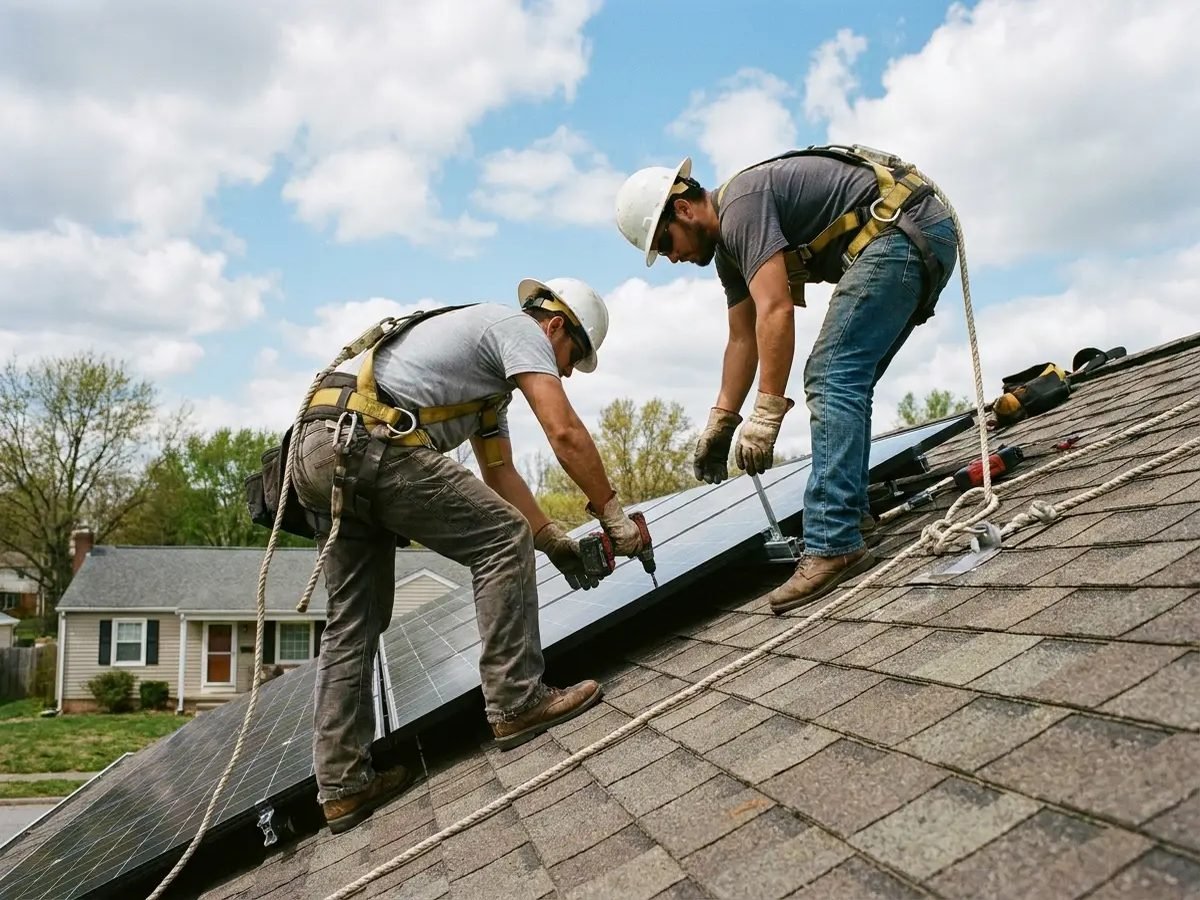
Why the Right Installer Matters
Solar installation involves your roof, your home’s electrical system, and a project that’s meant to perform for 25 years or more. The equipment matters, but so does the quality of the installation itself: correct roof penetrations and flashing, proper electrical connections, and code-compliant permitting all affect how well a system performs and how safely it operates. Two contractors quoting the same panels and inverter can still deliver very different results depending on their experience, crew training, and attention to detail.
Questions to Ask Before Hiring
Before choosing a contractor, ask:
- How long has the company been installing solar systems, and does it use its own crews or subcontractors?
- What brands of panels, inverters, and racking does it typically install, and why?
- What is the estimated timeline from contract signing to system activation, including permitting and utility approval?
- What workmanship coverage does the company provide, separate from the manufacturer’s warranty on the equipment?
- Who handles permitting, inspections, and utility interconnection paperwork?
- What happens if the installation reveals a roof issue, such as damaged decking, once work begins?
- Can the company provide a written, itemized proposal rather than a single lump-sum price?
Licensing, Insurance, and Certifications to Confirm
Before signing a contract, confirm that the contractor is licensed to perform electrical and/or solar installation work in your state, and that it carries general liability and workers’ compensation insurance. Requirements vary by state, so check with your state’s contractor licensing board if you’re unsure what applies. It’s also reasonable to ask whether the installer or its lead technicians hold industry certifications, such as NABCEP (North American Board of Certified Energy Practitioners), which some homeowners use as one indicator of training and experience, though it isn’t the only factor to weigh.
Red Flags to Watch For
Be cautious of:
- High-pressure sales tactics or offers that expire “today only”
- Contracts that require a large deposit before permits are approved or financing is finalized
- Vague proposals that don’t specify equipment brand, model, or system size
- Pricing that’s significantly below other quotes for a comparable system, with no clear explanation
- Reluctance to put workmanship terms or the manufacturer’s warranty details in writing
- Door-to-door sales pressure to sign the same day without time to compare other proposals
Comparing Multiple Quotes
Because pricing, equipment, and workmanship terms vary between contractors, it’s worth evaluating more than one proposal before deciding. When you compare quotes, line them up side by side on the same criteria: total price, equipment specifications, estimated annual production, financing terms if applicable, installation timeline, and workmanship coverage. The lowest price isn’t always the best value if it comes with lower-quality equipment or a shorter workmanship period.
Local vs. National Installers
Both local and national solar companies can do quality work, and each has tradeoffs worth weighing. National installers often have more purchasing scale on equipment and standardized processes across markets, while smaller or regional installers may have deeper familiarity with your state’s permitting rules, utility interconnection requirements, and incentive programs. Company size alone doesn’t determine quality; what matters most is the specific crew’s licensing, certifications, and track record on projects similar to yours.
Understanding the Installation Timeline
A typical solar project involves several stages beyond the physical installation itself: a site assessment, system design, permit application and approval, the installation itself (often completed in one to three days), a utility interconnection application, and a final inspection before the system can be turned on. Permitting and utility approval frequently take longer than the installation, sometimes several weeks to a few months depending on your city, county, and utility. Ask a contractor for a realistic estimate of each stage, not just the installation date, so you know what to expect before your system is generating power.
What Happens After Installation
Once your system passes inspection and receives utility permission to operate, most installers walk you through the monitoring app or dashboard so you can track production over time. Ask what ongoing support the company provides if you notice a drop in output, an equipment fault, or a question about your monitoring data. Some installers offer maintenance plans or scheduled check-ins, while others are available on an as-needed basis. Understanding this before you sign helps set expectations for the life of the system, not just the installation day.
Getting Quotes to Compare
Requesting multiple proposals is one of the most effective ways to evaluate contractors and pricing for your specific home. Request no-obligation quotes from independent solar contractors through HomeMatchr, and use the questions above to evaluate each one before you decide. HomeMatchr is an advertising-supported service and may receive a referral fee when you connect with a provider.
Frequently asked questions
What licenses should a solar installer have?
Requirements vary by state, but most states require a contractor’s license for electrical or solar installation work. Check with your state’s contractor licensing board and ask the company to provide proof before you sign a contract.
What is NABCEP certification?
NABCEP (North American Board of Certified Energy Practitioners) is an industry certification body for solar professionals. Some homeowners use NABCEP certification as one factor when evaluating a contractor’s training, alongside experience and references.
How many quotes should I get before choosing a solar installer?
Comparing multiple proposals makes it easier to evaluate pricing, equipment, and terms. Requesting no-obligation quotes gives you a range to compare before deciding.
What should be included in a written solar proposal?
A complete proposal should specify equipment brand and model, system size, estimated annual production, permitting and interconnection responsibilities, workmanship coverage, and total price.
What are warning signs when evaluating a solar contractor?
Watch for high-pressure sales tactics, requests for large deposits before permits are approved, vague proposals without equipment details, and reluctance to put workmanship or warranty terms in writing.
About tax credits, rebates and incentives. Program rules, amounts and deadlines change and depend on your own eligibility, income and installation year. Nothing here is tax, legal or financial advice, and no credit or rebate is guaranteed. Confirm current rules with a qualified tax professional or the official program before you rely on them.
Compare Solar Panels quotes
Enter your ZIP code to request no-obligation quotes from independent contractors.
HomeMatchr is an advertising-supported service and may receive a referral fee when you connect with a service provider.
