

Water Treatment in Illinois
Compare up to 5 no-obligation water treatment quotes from independent contractors who work on Illinois homes.
Start my home project No obligation. You choose who to hire.

Illinois homeowners face cold, snowy winters with freeze-thaw cycles and strong winds, and hot, humid summers with thunderstorms — conditions that shape how a water treatment system should be specified and installed. Hardness and, for well owners, iron or sediment are common concerns in this region, so testing guides the right system.
Water Treatment in Illinois: what to know
A water treatment system improves the quality of the water coming into your home — reducing hardness, filtering out sediment and contaminants, or removing tastes and odors. The right system depends on whether you’re on municipal water or a private well, and on what a water test reveals. In Illinois, permits are typically handled through your city or county. Chicago runs its own permit process, and condo associations and suburban HOAs are common statewide.
What water treatment work involves
Water treatment starts with testing — either a municipal water report or a lab test of well water — to identify hardness, minerals, sediment, bacteria, or chemicals. The results determine which combination of softening, filtration, or disinfection makes sense.
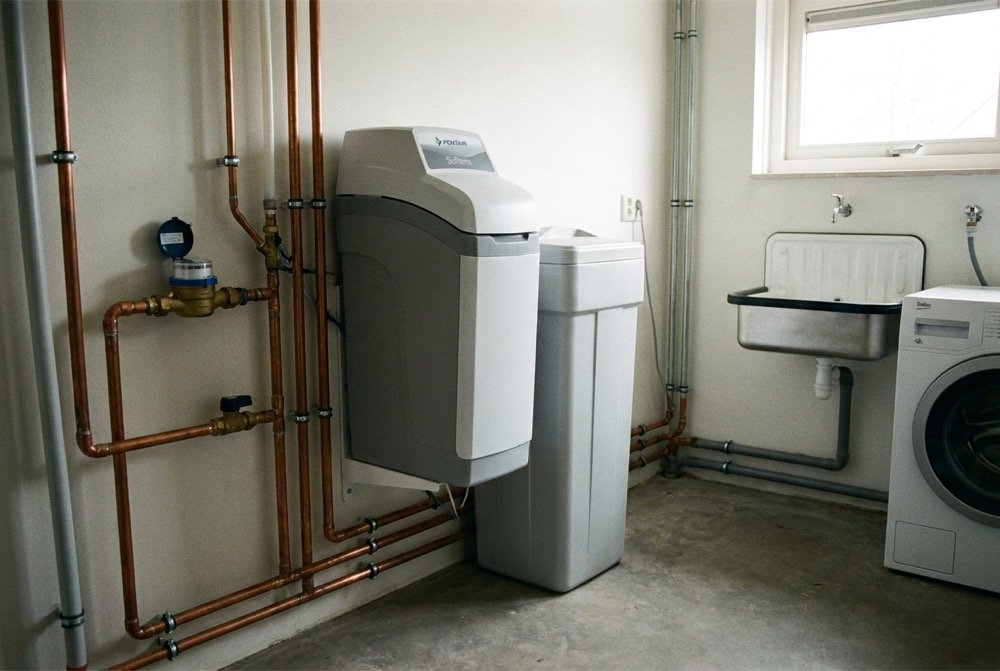
Installation ties the chosen equipment into your main water line, usually near where it enters the home, along with any needed drain connection and electrical outlet. A whole-home softener or filter treats every tap, while a point-of-use system treats a single faucet.
Systems need periodic maintenance — salt for softeners, filter or cartridge changes, and occasional sanitizing. A good installer will explain the upkeep schedule and expected ongoing costs before you buy.
Water treatment options
The right equipment depends on your water test. These are the most common systems for homes.
| System | What it addresses |
|---|---|
| Water softener | Hard water, scale buildup |
| Whole-home filter | Sediment, chlorine taste and odor |
| Reverse osmosis (point-of-use) | Drinking-water contaminants, taste |
| Iron / sulfur filter | Staining and rotten-egg odor (wells) |
| UV disinfection | Bacteria in well water |
| Carbon filtration | Chlorine, taste, and odor |
What drives water treatment costs in Illinois
Water treatment pricing depends on the type of system, your water chemistry, and whether you need a single unit or a combination. Key factors include:
- The type and size of system, and whether it treats the whole home or one tap.
- Your water source and test results — well water often needs more treatment than municipal.
- Plumbing changes needed to tie the system into your main line and drain.
- Ongoing costs for salt, filters, cartridges, or UV lamps.
- Local labor rates and any required permits.
Chicago-area labor and permitting run above downstate Illinois, and the building season is compressed by winter. Use the ranges below as a starting point, then compare itemized quotes for your specific project.
| Project | Typical range |
|---|---|
| Point-of-use reverse osmosis | $200–$600 |
| Whole-home water softener | $1,000–$3,500 |
| Whole-home filtration system | $1,500–$4,000 |
| Well water treatment (multi-stage) | $2,000–$6,000+ |
Ranges are general U.S. estimates and are not a quote for your Illinois project.
The water treatment process, step by step
The process begins with a water test and a conversation about the issues you’ve noticed — spots on dishes, dry skin, odors, or staining. The results guide a recommendation and a written quote.
Installation is usually completed in a few hours to a day, tying the equipment into your main line with any needed bypass valves, drain, and outlet. Whole-home systems are placed where water enters the house.
After installation, the installer sets up the system, explains maintenance, and confirms the water is being treated as expected. Ask about warranty terms and the schedule and cost of ongoing consumables.
Weather and timing for water treatment in Illinois
Illinois sees cold, snowy winters with freeze-thaw cycles and strong winds, and hot, humid summers with thunderstorms. The warmer months from spring through fall carry most exterior work.
Because conditions here are specific, it helps to work with contractors who install in Illinois regularly and can point to the materials and methods that hold up locally. Requesting several quotes lets you compare not just price, but how each contractor plans for Illinois’s climate.
Compare Water Treatment quotes in Illinois
Answer a few questions and request up to 5 no-obligation quotes from independent contractors.
Frequently asked questions
How does Illinois’s climate affect a water treatment system?
Hardness and, for well owners, iron or sediment are common concerns in this region, so testing guides the right system. Comparing quotes from contractors who work in Illinois every day is a dependable way to match the right approach to local conditions.
Do I need a permit for water treatment in Illinois?
Most projects of this type are permitted through your city or county, and the contractor you hire typically pulls it as part of the job. Chicago runs its own permit process, and condo associations and suburban HOAs are common statewide.
When is the best time of year for water treatment in Illinois?
The warmer months from spring through fall carry most exterior work. Requesting quotes a few weeks ahead helps you compare availability and lock in a schedule that works for you.
How do I know what water treatment I need?
A water test is the starting point. Municipal customers can review the annual water-quality report, while well owners should test for hardness, iron, bacteria, and other contaminants. The results determine which system or combination fits.
What’s the difference between a softener and a filter?
A softener removes the minerals that cause hard water and scale, while a filter targets sediment, chlorine, tastes, odors, or specific contaminants. Many homes use both, since they solve different problems.
How much maintenance do these systems need?
It varies by system: softeners need salt topped up periodically, filters need cartridge changes, and UV systems need annual lamp replacement. A contractor can outline the schedule and ongoing cost before you buy.
Choosing a water treatment contractor in Illinois
The right water treatment contractor in Illinois is about more than price. Comparing several quotes helps you weigh scope, materials, and timeline — and you are never obligated to hire anyone.
- Request quotes from several water treatment contractors in Illinois so you can compare price and scope side by side.
- Confirm each contractor’s licensing and insurance yourself before you hire — HomeMatchr does not verify this for you.
- Ask for an itemized quote covering materials, labor, permits, cleanup, and warranty terms.
- Check that the quote reflects Illinois’s local codes, permit requirements, and climate.
New to hiring a contractor? The FTC’s consumer guide on hiring a contractor is a helpful, unbiased place to start.
Water Treatment in other locations
- Water Treatment in Phoenix, AZ
- Water Treatment in Houston, TX
- Water Treatment in Dallas, TX
- Water Treatment in Atlanta, GA
- Water Treatment in Tampa, FL
- Water Treatment in Denver, CO
- Water Treatment in Columbus, OH
- Water Treatment in Portland, OR
- Water Treatment in Seattle, WA
- Water Treatment in Minneapolis, MN
- Water Treatment in Orlando, FL
- Water Treatment in Sacramento, CA
- Water Treatment in Boston, MA
- Water Treatment in Washington, DC
- Water Treatment in Oklahoma City, OK
- Water Treatment in Austin, TX
- Water Treatment in Tucson, AZ
- Water Treatment in Charlotte, NC
- Water Treatment in Raleigh, NC
- Water Treatment in Philadelphia, PA
- Water Treatment in Pittsburgh, PA
- Water Treatment in Cleveland, OH
- Water Treatment in Cincinnati, OH
- Water Treatment in Milwaukee, WI
- Water Treatment in San Antonio, TX
- Water Treatment in Fort Worth, TX
- Water Treatment in Chicago, IL
- Water Treatment in Los Angeles, CA
- Water Treatment in San Diego, CA
- Water Treatment in Miami, FL
- Water Treatment in Las Vegas, NV
- Water Treatment in Nashville, TN
- Water Treatment in Kansas City, MO
- Water Treatment in Arizona
- Water Treatment in Texas
- Water Treatment in Florida
- Water Treatment in Georgia
- Water Treatment in Colorado
- Water Treatment in Ohio
- Water Treatment in Oregon
- Water Treatment in Washington State
- Water Treatment in Minnesota
- Water Treatment in California
- Water Treatment in Massachusetts
- Water Treatment in Oklahoma
- Water Treatment in North Carolina
- Water Treatment in Pennsylvania
- Water Treatment in Wisconsin
- Water Treatment in Nevada
- Water Treatment in Tennessee
- Water Treatment in Missouri
Other home services in Illinois
Planning more than one project? Compare other home services in Illinois:
HomeMatchr is an advertising-supported referral service, not a contractor or installer. We connect you with independent contractors and may receive a referral fee. Always confirm a contractor’s licensing and insurance before you hire.
Big home plans?
Start with the right match.
A new project begins with a useful next step.
Explore your options on your terms.